Israeli Forces Kill Nine in Tyre Amid Displacement Orders

Israeli Forces Kill Nine in Tyre Amid Displacement Orders
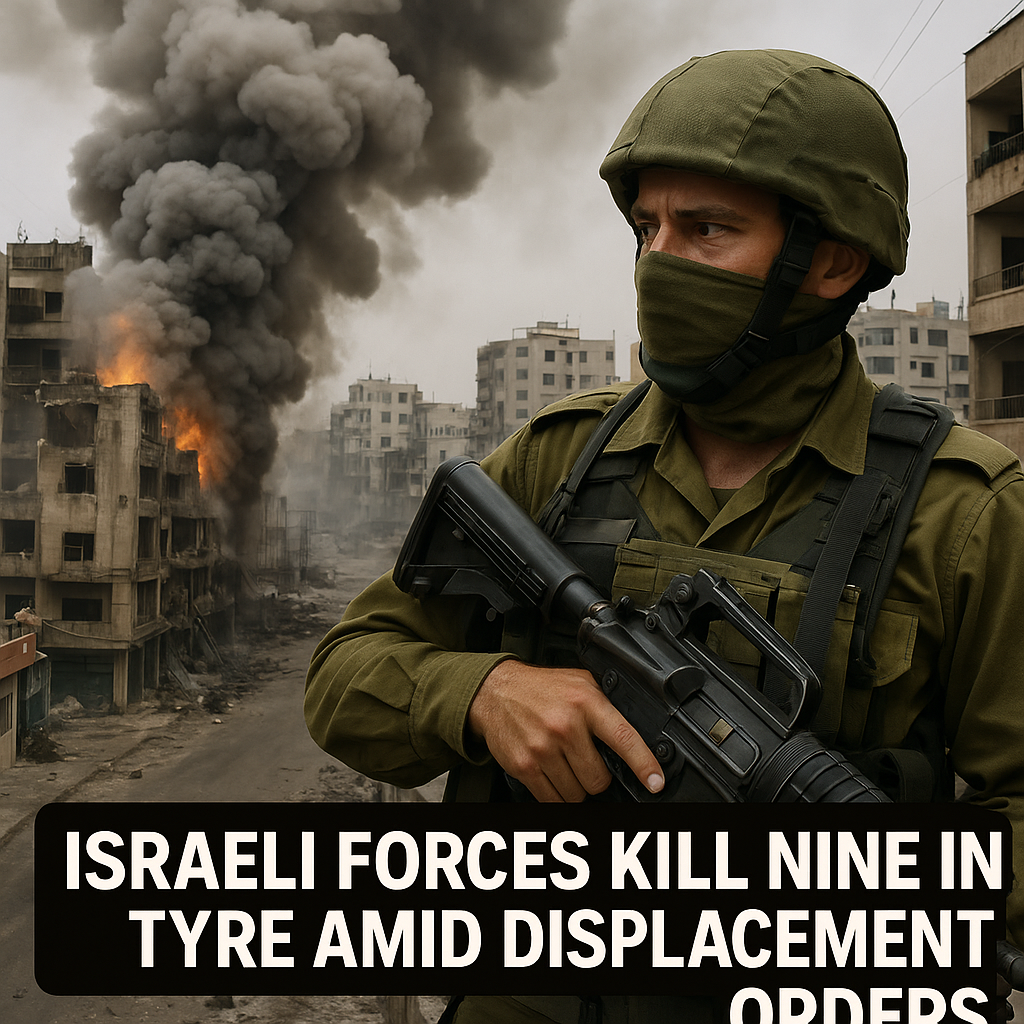
In a deeply concerning escalation of violence, Israeli forces reportedly killed nine individuals in Tyre, Lebanon, after issuing orders for forced displacement. This tragic incident highlights the complex and fraught reality within the region, where militarized responses often lead to significant humanitarian repercussions.

The Context of Violence
The backdrop to this violence can be traced back to ongoing tensions in the area, exacerbated by conflicts between various regional powers. According to reports, the fatalities occurred as Israeli forces sought to control areas they deemed sensitive, especially in the context of heightened security concerns due to perceived threats from militant groups. Al Jazeera highlighted that the Israeli military justified their actions as necessary for maintaining safety, particularly amid rocket attacks originating from Lebanon.


Conversely, local sources and human rights organizations have sharply criticized these military operations, arguing that they disproportionally affect civilians and evade accountability. In statements released following the incident, entities like Human Rights Watch condemned the forceful displacement orders as a violation of international law, which mandates the protection of civilian populations during armed conflicts. These differing viewpoints reflect the ongoing struggle to balance national security interests with humanitarian obligations.


The Humanitarian Impact
The immediate aftermath of the killings has led to widespread panic and displacement among civilians in Tyre. Many locals have found themselves fleeing their homes under duress, fearing further violence and retaliation from Israeli forces. Reports indicate that several families have been forced to seek refuge in makeshift accommodations, leading to an escalation of the humanitarian crisis already affecting the region.
The conditions in these temporary shelters are dire, with limited access to necessities such as food, water, and medical care. Activists on the ground have voiced concerns about the mental health implications of such displacements, especially for children who are growing up amidst constant fear and uncertainty. In this context, the tragic loss of life serves as more than just a statistic; it embodies a crisis with ripple effects on future generations.
Exploring Divergent Perspectives
While both Israeli and Palestinian factions assert their narratives based on historical grievances and existential threats, the recent events in Tyre underline a profound divide in the public interpretation of what transpired. Sky News noted that Israeli officials assert the need for stringent military measures to ensure state security, especially after incursions perceived as attacks from Hezbollah or other militant groups.
In contrast, criticism from multiple fronts within and outside Lebanon paints a picture of an aggressive occupation that prioritizes military objectives over human life. The stakes, both for regional stability and humanitarian rights, cannot be overlooked.
Furthermore, internal divisions among the Lebanese populace, some of whom are sympathetic to the resistance against Israeli actions, complicate the narrative. While many mourn the lost lives, others question the local leadership’s role in exacerbating tensions through mismanagement or conflictual rhetoric. This divergence complicates the public’s response and highlights the multifaceted nature of the situation.
Conclusion: The Urgency for Dialogue
The killings in Tyre and the forced displacement orders signal not merely an isolated incident but part of a broader pattern of violence that perpetuates cycles of retaliation and suffering. In a region rife with historical conflict, the challenge is to bridge these deep divides through dialogue that respects both security needs and humanitarian concerns. While immediate military responses may yield temporary results, sustainably addressing the root causes requires an unwavering commitment to building peace.
As the international community watches closely, the unfolding events remind us of the urgent need for a renewed peace process, one that considers the voices of all those affected, including civilian populations caught in the crossfire. Finding pathways toward resolution must prioritize humanity over hostility, paving the way for lasting peace in an area long troubled by conflict.