Federal Budget Cuts Stall Repairs on Iconic American Trails Damaged by Storms

Federal Budget Cuts Stall Repairs on Iconic American Trails Damaged by Storms
Introduction
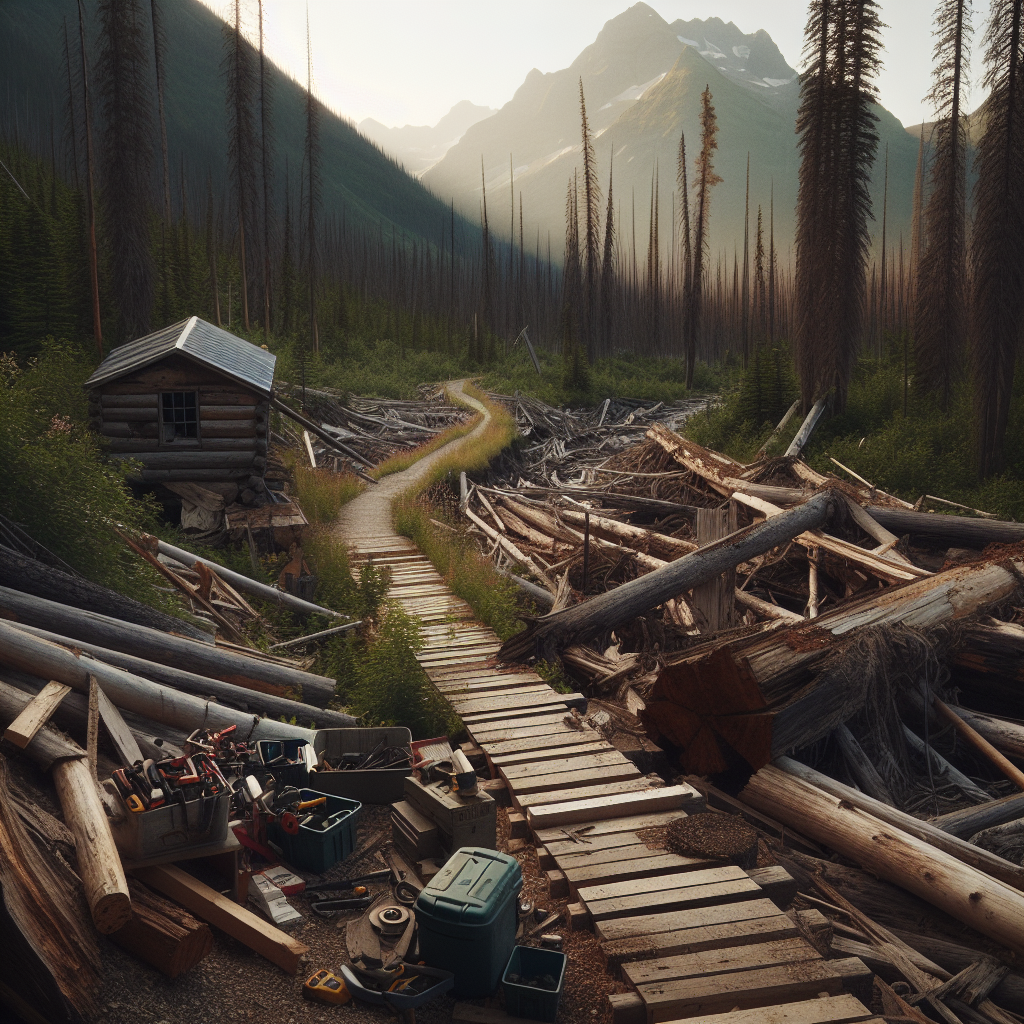
Recent federal budget cuts have significantly impacted the restoration efforts of several iconic American trails that were severely damaged by storms. These trails, cherished by outdoor enthusiasts and vital to local economies, now face prolonged recovery times due to financial constraints.

Impact of Budget Cuts
- Delayed Repairs: Essential repair projects on trails such as the Appalachian Trail and the Pacific Crest Trail have been postponed.
- Increased Costs: Prolonged damage can lead to higher repair costs in the future, as further deterioration occurs.
- Economic Consequences: Local businesses that rely on trail tourism are experiencing financial strain due to decreased visitor numbers.
Environmental and Recreational Concerns
The delay in repairs not only affects the economy but also poses environmental risks and limits recreational opportunities:


- Environmental Degradation: Damaged trails can lead to soil erosion and habitat disruption.
- Restricted Access: Hikers and nature lovers face limited access to these trails, impacting outdoor recreation.
Community and Government Response
In response to the budget cuts, various stakeholders are taking action:

- Volunteer Efforts: Community groups and volunteers are stepping in to assist with minor repairs and maintenance.
- Advocacy for Funding: Environmental organizations are lobbying for increased federal funding to prioritize trail restoration.
Conclusion
The federal budget cuts have created significant challenges for the repair and maintenance of iconic American trails. While community efforts provide some relief, the need for sustainable funding solutions remains critical to ensure these trails can be preserved for future generations. The situation underscores the importance of balancing fiscal policies with environmental and recreational priorities.