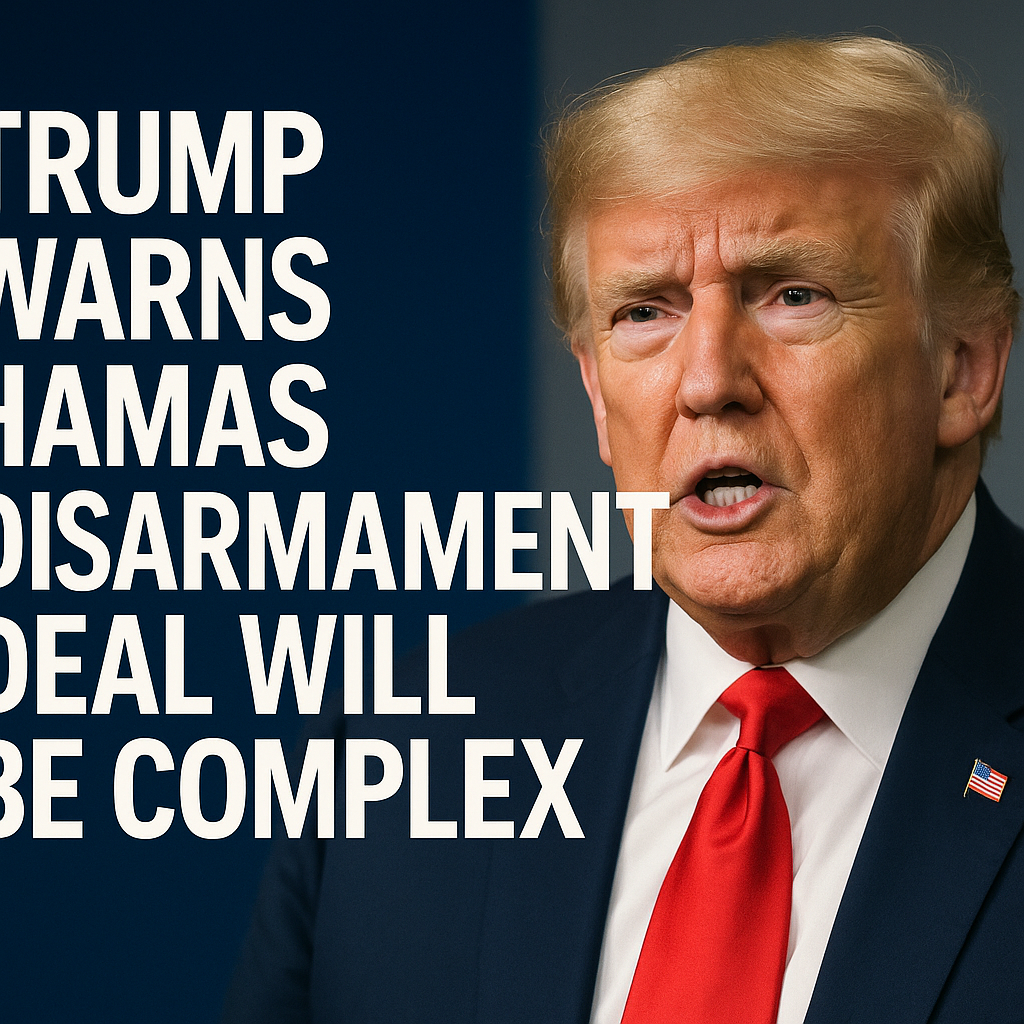
Trumps recent caution about a Hamas disarmament deal highlights the tangled web of complexities that international negotiations face in the Middle East—can we truly untangle these threads for peace? Dive in to explore the historical and political stakes involved!
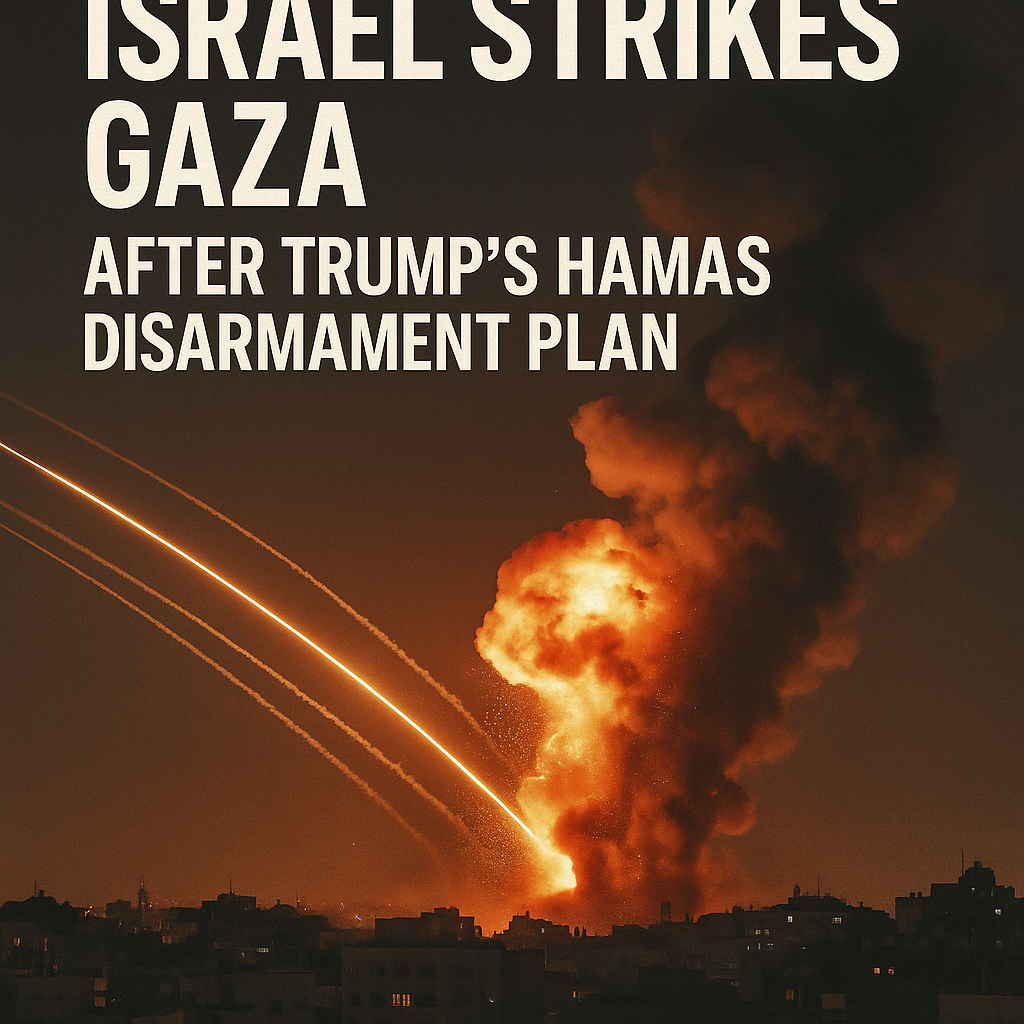
As tensions rise in the Middle East, Israels recent airstrikes on Gaza have sparked renewed debate over Trumps controversial plan to disarm Hamas, leaving many to ponder whether lasting peace is attainable amidst this turmoil. Can diplomacy find a way forward, or will the cycle of conflict continue?
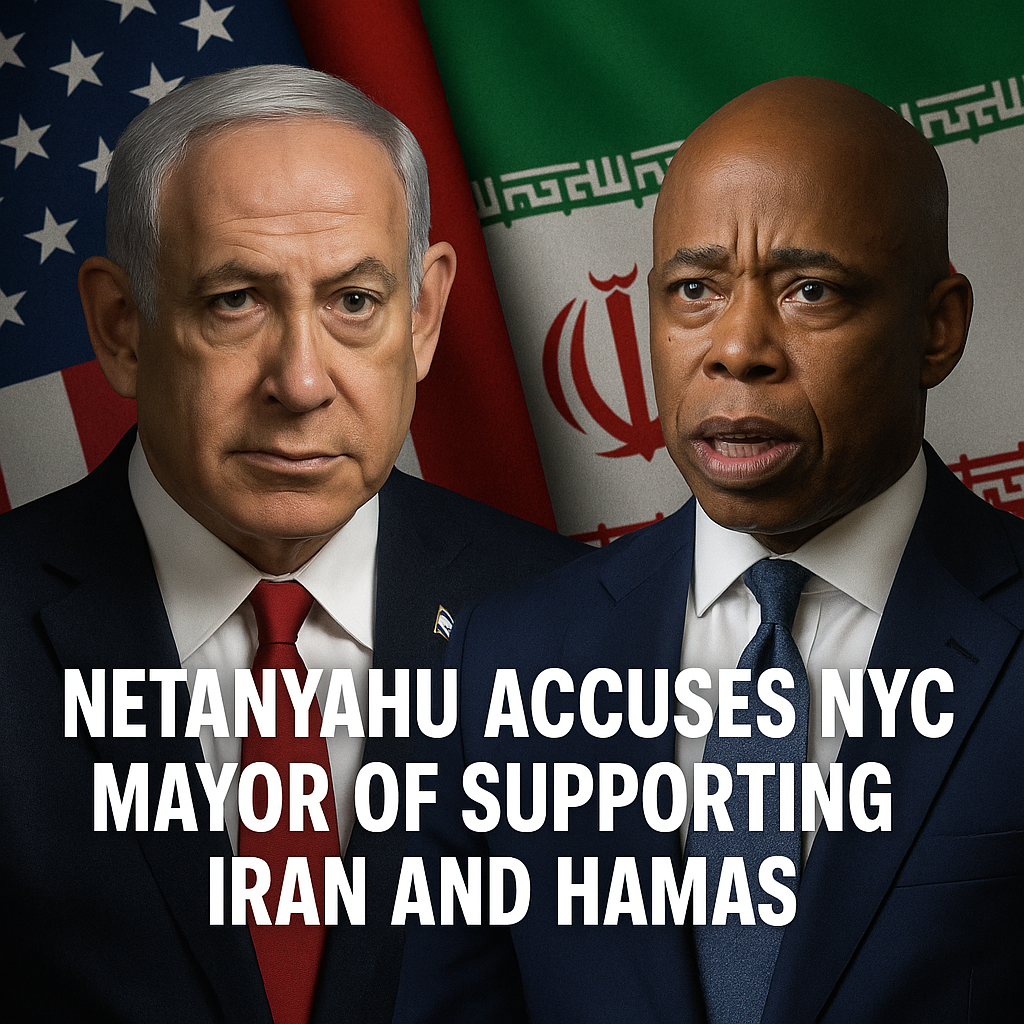
In a fiery exchange, Israeli Prime Minister Benjamin Netanyahu claims NYC Mayor Eric Adams is unwittingly siding with Iran and Hamas through his critiques of Israel, igniting a fierce debate about morality and international diplomacy amidst escalating Middle Eastern tensions. As leaders grapple with the complexities of peace, the clash of perspectives reveals deep divides over support for Israel and the call for human rights.
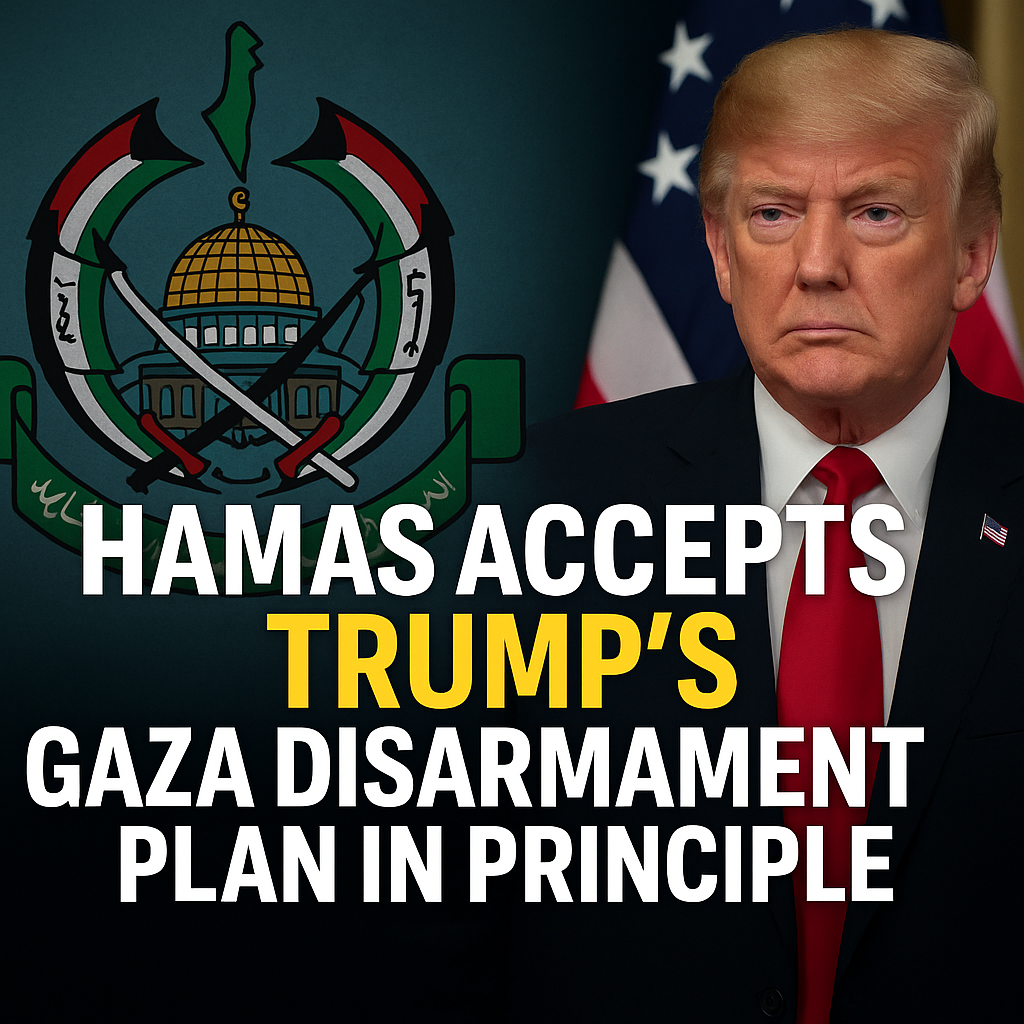
Hamas has taken a surprising leap by accepting Trump’s Gaza disarmament plan in principle, hinting at a potential shift in the regions long-standing conflict dynamics. Could this openness signal a new era for Israeli-Palestinian relations, driven by urgent economic needs and changing geopolitical tides?
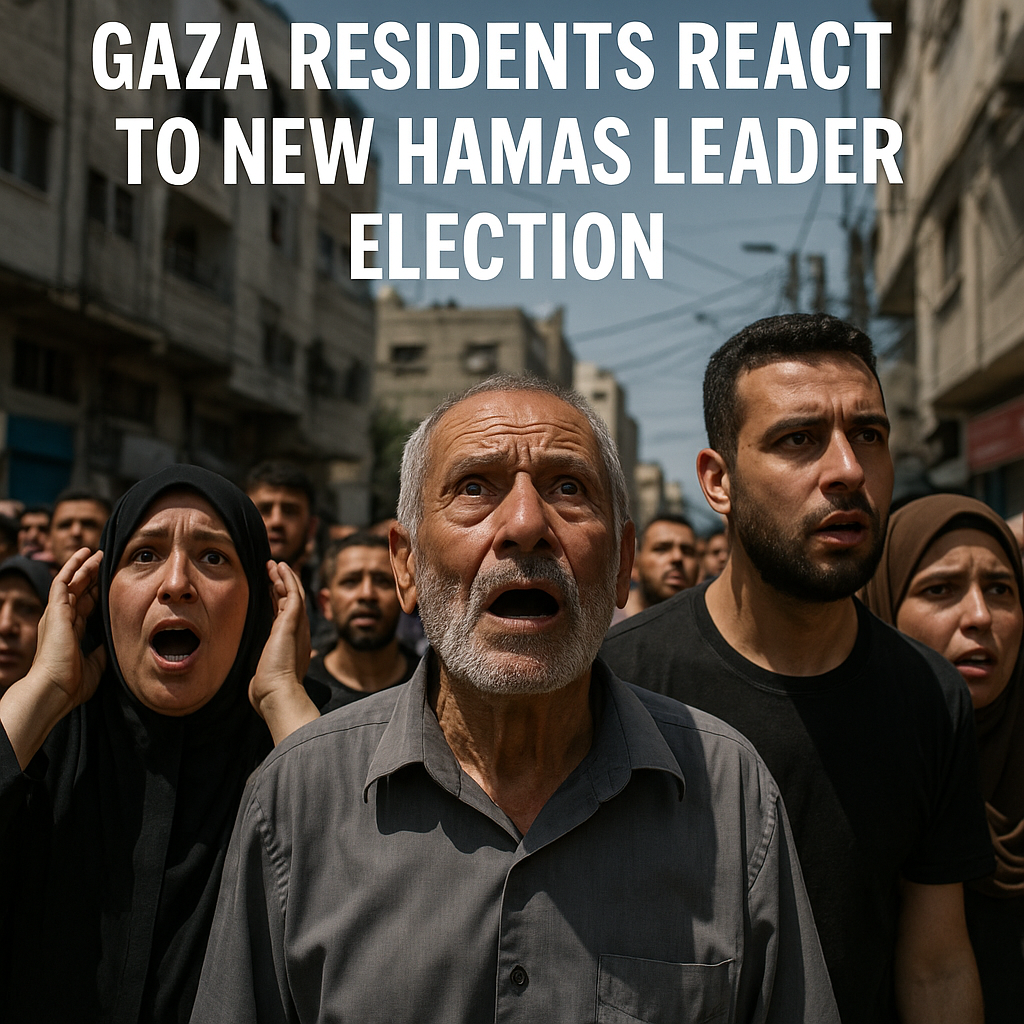
Gaza residents are buzzing with mixed emotions over the election of a new Hamas leader, hoping for fresh dialogue and effective governance while grappling with skepticism rooted in past disappointments. As voices in the streets call for unity and practical solutions, the world watches closely to see if this leadership shift brings genuine change amidst ongoing challenges.
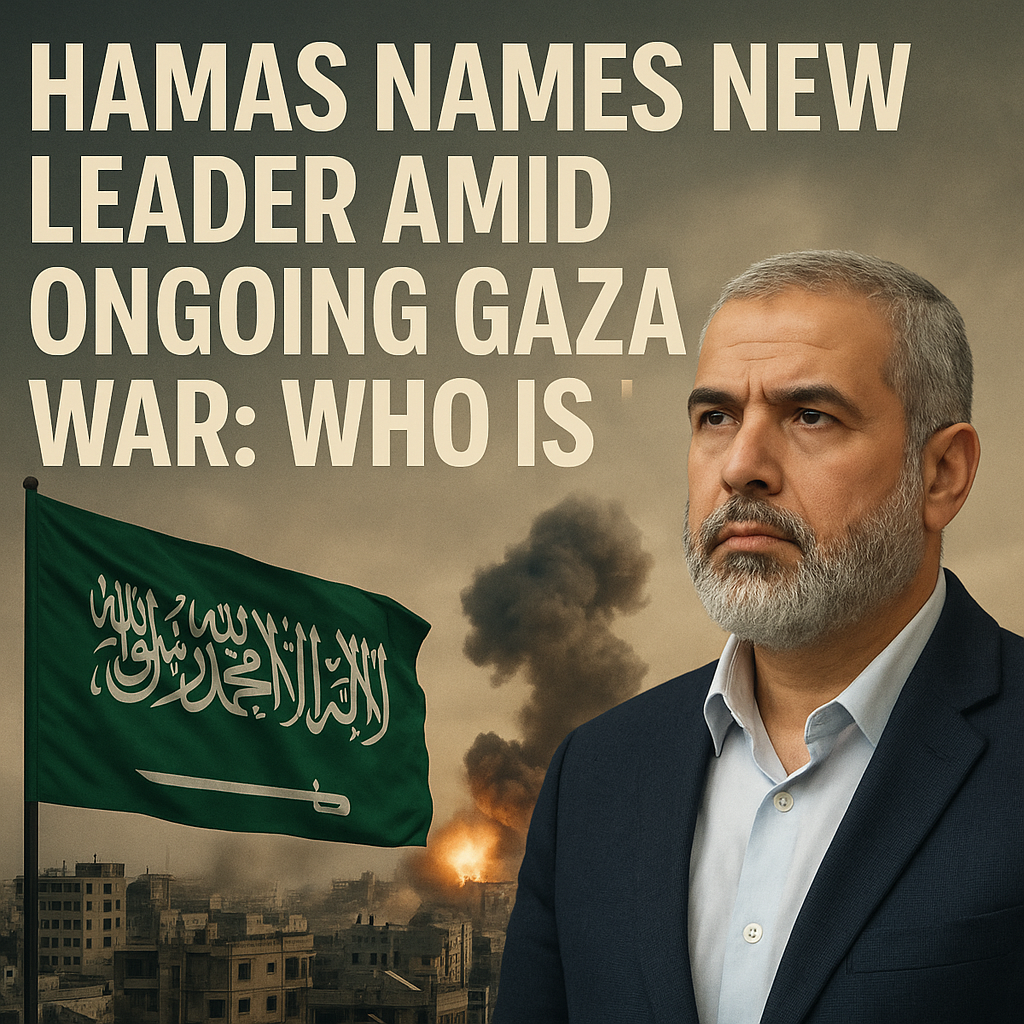
Hamas has just appointed Khalil al-Hayya as its new leader amidst the ongoing Gaza War, raising questions about how this significant shift will affect the conflict and the broader region. With a reputation for prioritizing military strategy, al-Hayya’s leadership could reshape the future of Gaza in unexpected ways.
In the heart of Gaza, the dream of a lasting ceasefire feels more elusive than ever, with the relentless cycle of violence raising urgent questions about peace and trust. Dive into the complexities behind the ongoing conflict and discover why every attempt at harmony seems to slip further from reach.
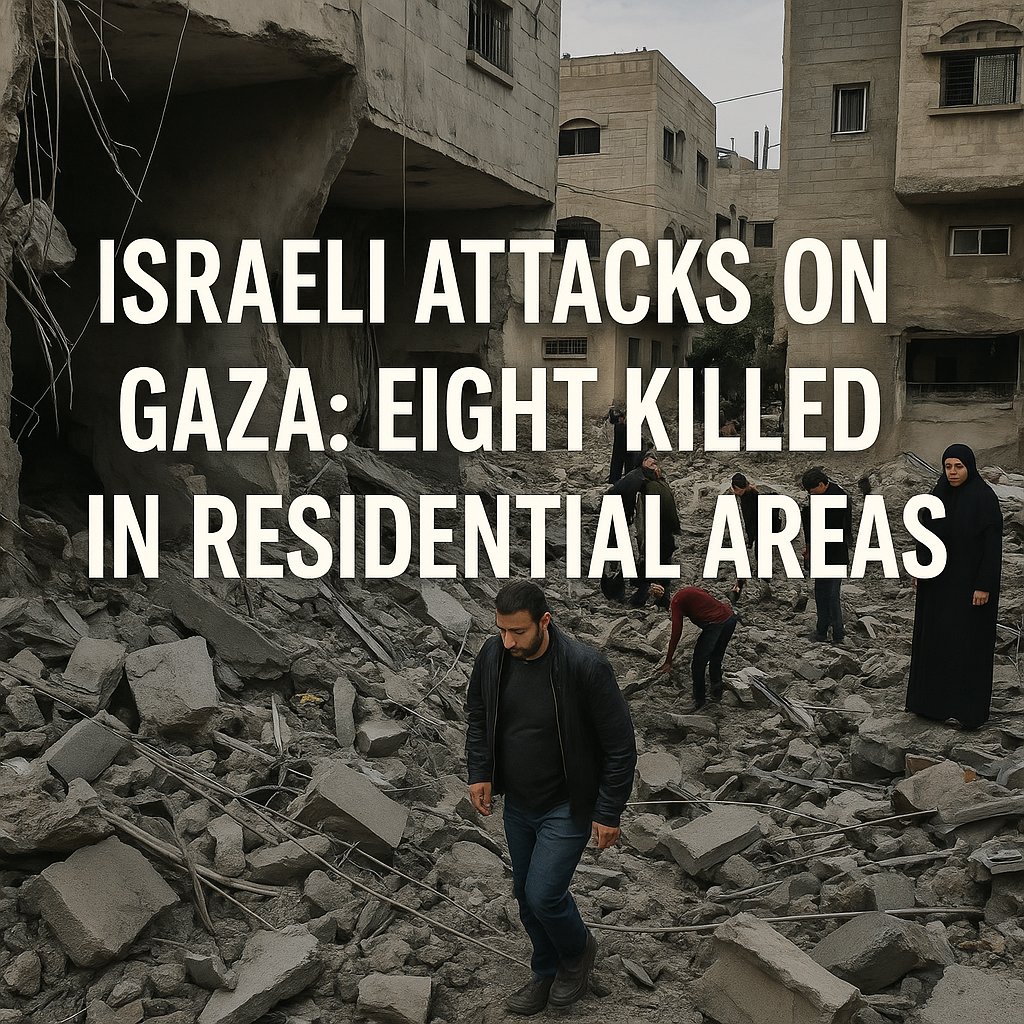
In a heartbreaking turn of events, recent Israeli airstrikes on Gaza have claimed eight innocent lives, sparking renewed discussions about the humanitarian toll of the ongoing conflict. As tensions rise, the urgency for deeper dialogue and understanding has never been more crucial.
As tensions rise in the Israel-Gaza conflict, its crucial to explore not only the immediate humanitarian issues but also what this means for the United States role in the region and its future influence on global dynamics. Join us in unraveling the complexities of a conflict that shapes perceptions, politics, and power on the world stage.
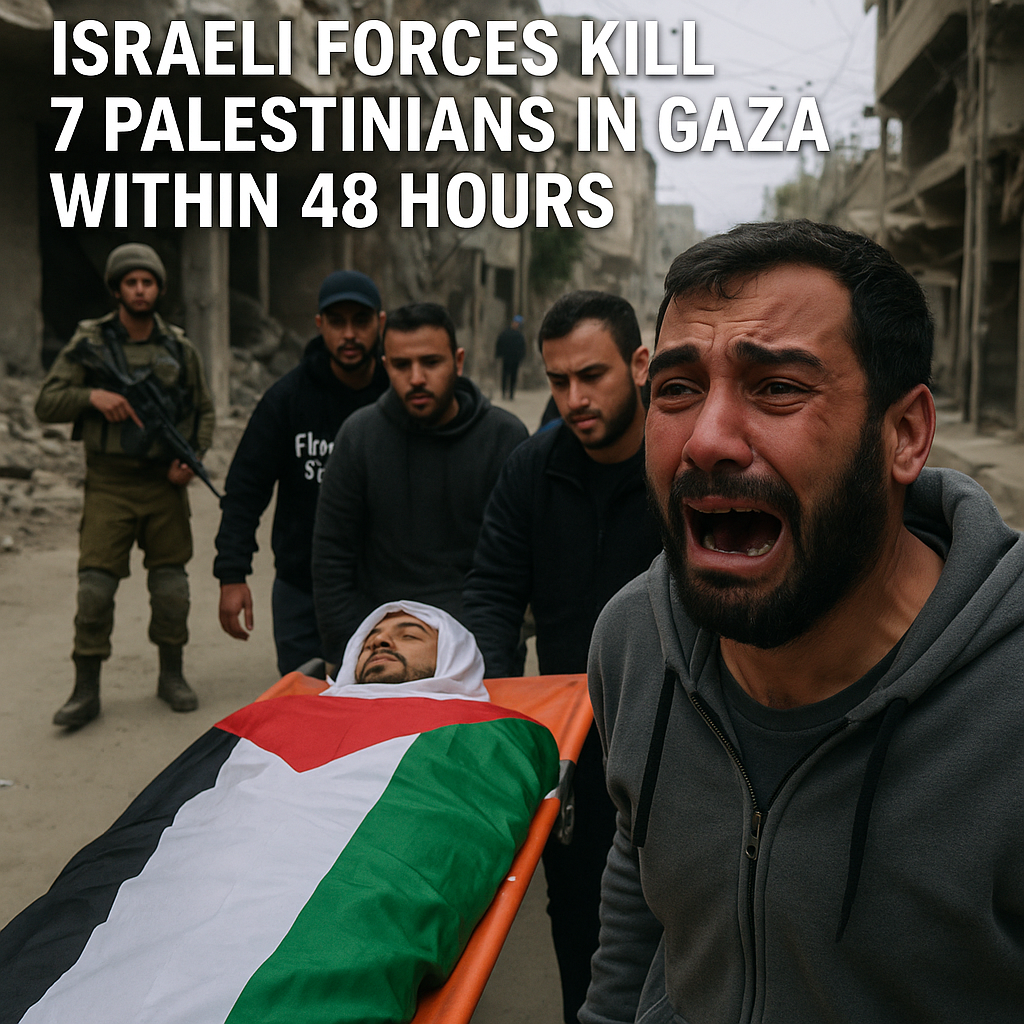
In the heart of Gaza, a recent surge in violence has tragically claimed seven lives in just 48 hours, reigniting the complex and painful discourse surrounding the Israel-Palestine conflict. As families grieve and communities cry out for urgent humanitarian aid, the world watches closely, urging for accountability and understanding in these turbulent times.