Amid a rare three-day calm, excitement is building for potential US-Iran talks, offering a glimmer of hope for a diplomatic thaw in a long-fractured relationship. Could this be the turning point weve all been waiting for?

Amid a rare three-day calm, excitement is building for potential US-Iran talks, offering a glimmer of hope for a diplomatic thaw in a long-fractured relationship. Could this be the turning point weve all been waiting for?
In a bold move towards peace, the Israeli government has approved an international force to stabilize Gaza, igniting hope for relief amid rising tensions and a desperate humanitarian crisis. While some see this as a crucial step for safety, others question the complexities of foreign involvement—could this push be the key to lasting change, or will it complicate matters further?
In a surprising turn of events, the US and Iran have chosen to pause military strikes for a second day, sparking a hopeful conversation around potential dialogue and peace in the region. This temporary truce, though rooted in a complex history of tension, opens the door for fresh perspectives on conflict resolution.
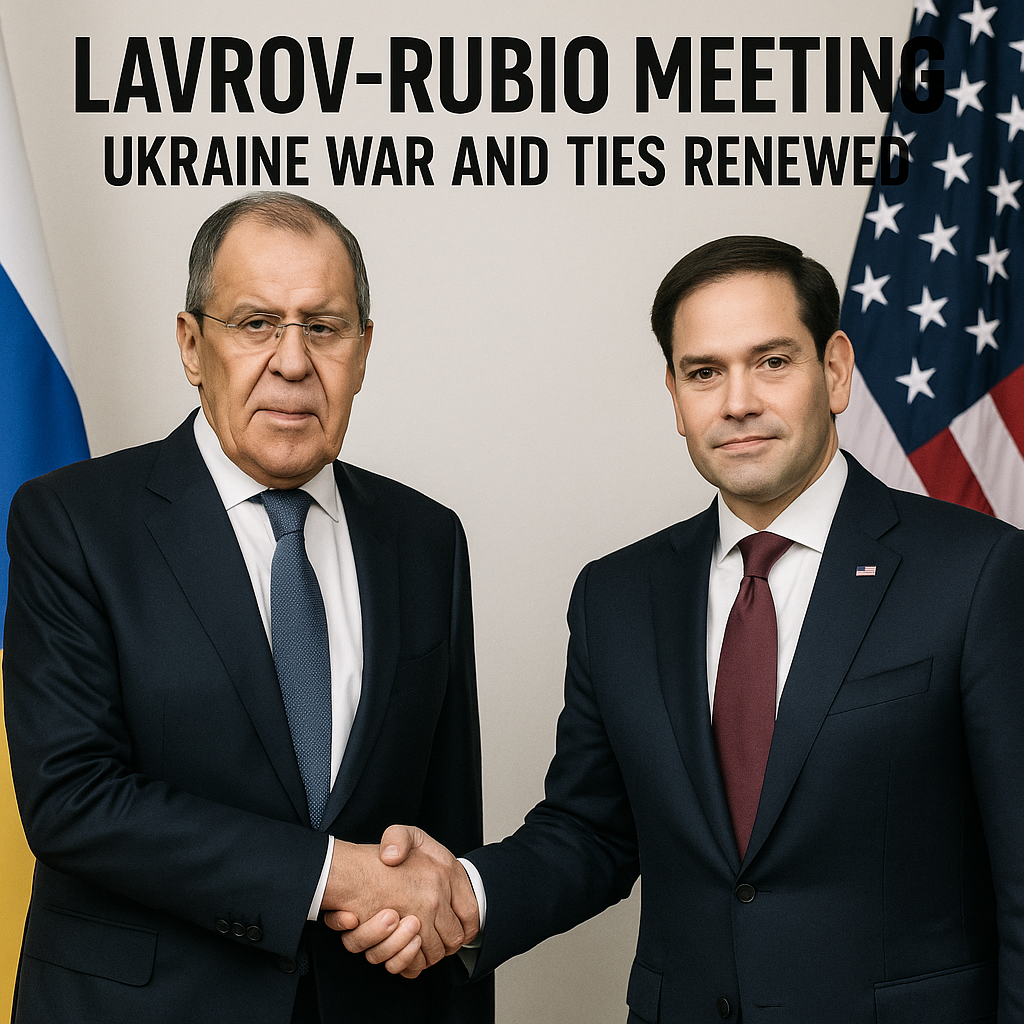
In a striking meeting, Russian Foreign Minister Sergey Lavrov and U.S. Senator Marco Rubio clashed over the Ukraine war, revealing stark national divides yet underscoring the essential need for dialogue, even amidst deep-seated tensions. Join us as we delve into the nuances of their exchange and what it might mean for future diplomatic efforts!
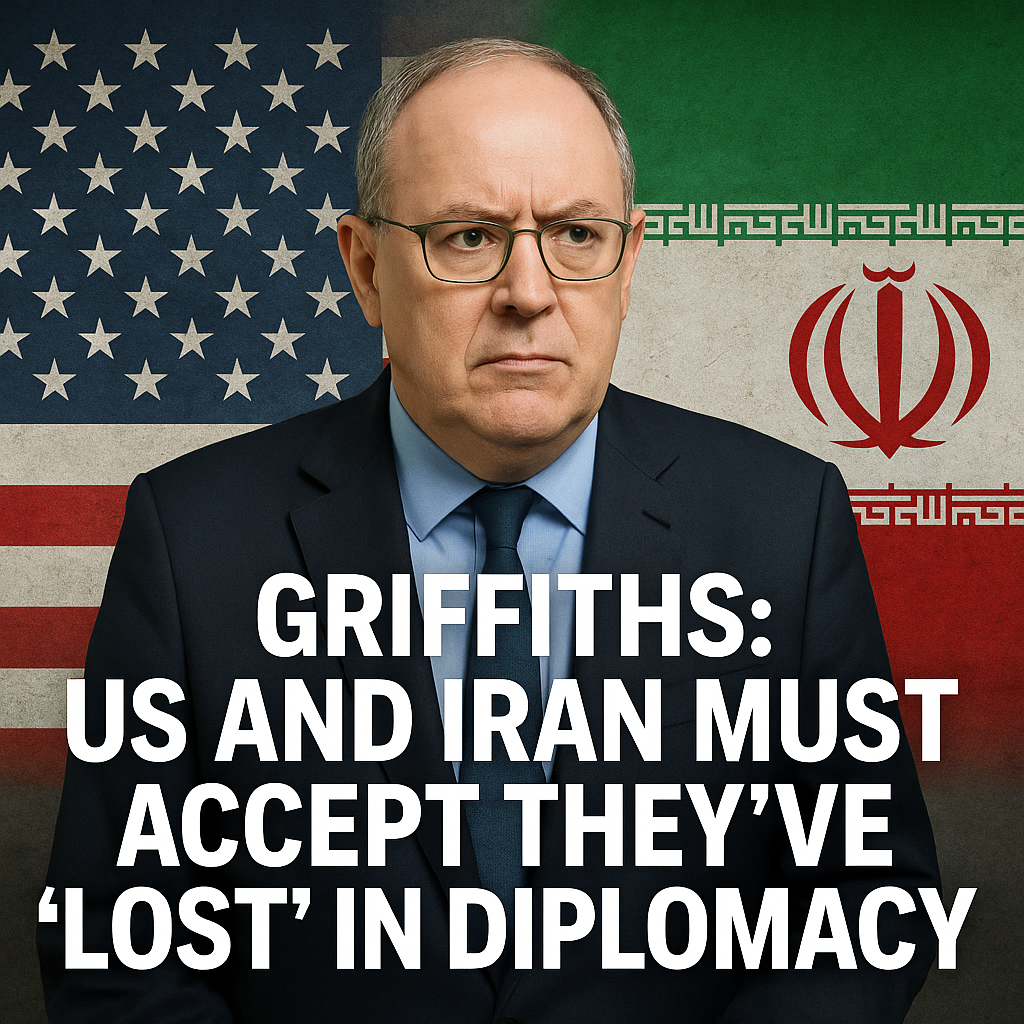
UN humanitarian chief Martin Griffiths urges the US and Iran to acknowledge their diplomatic missteps, emphasizing that real progress requires both nations to reassess their rigid strategies and embrace openness for a brighter future.
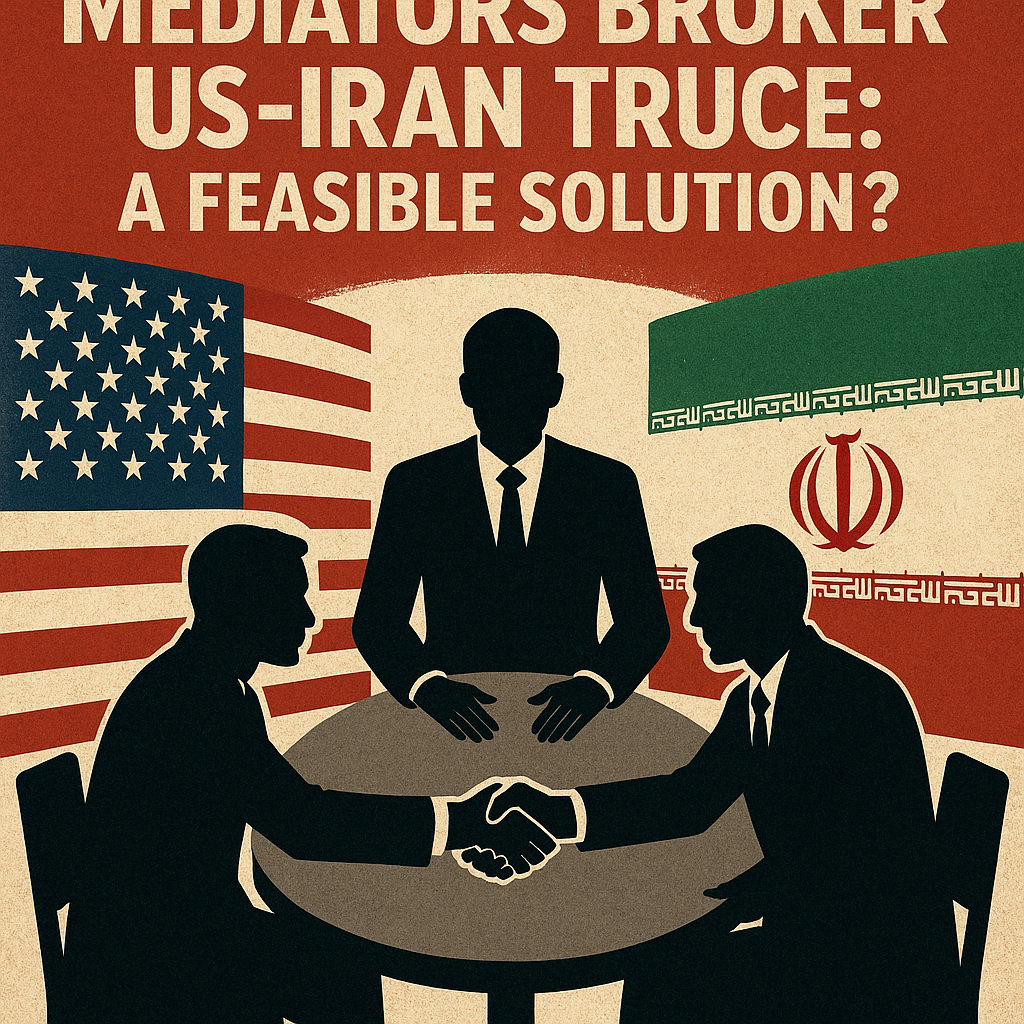
Could a truce between the U.S. and Iran finally be within reach? With skilled mediators stepping in to ease decades of tension, the path to peace might just be clearer than ever!
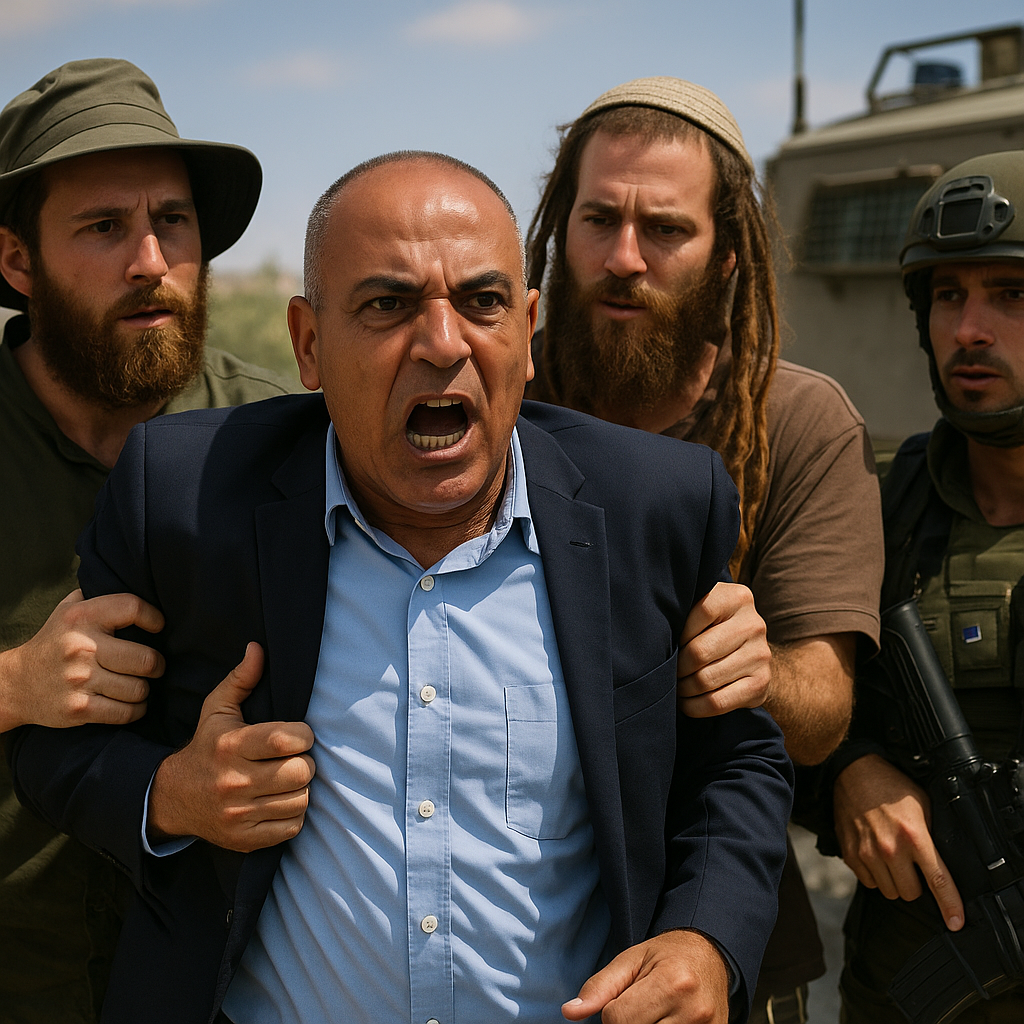
In a startling turn of events, a U.S. lawmaker is calling out the Israeli Army after being detained by settlers during his visit to Palestine, spotlighting the rising tensions and complex dynamics of the region. This incident not only highlights the dangers faced by both citizens and international figures, but also raises urgent questions about the militarys role in ensuring safety amid ongoing conflict.
NATO’s approach to Ukraine is all about striking a careful balance—offering crucial military support while firmly stating, We are not at war. This strategy aims to empower Ukraine without escalating tensions with Russia, keeping the focus on defending sovereignty and democratic values.
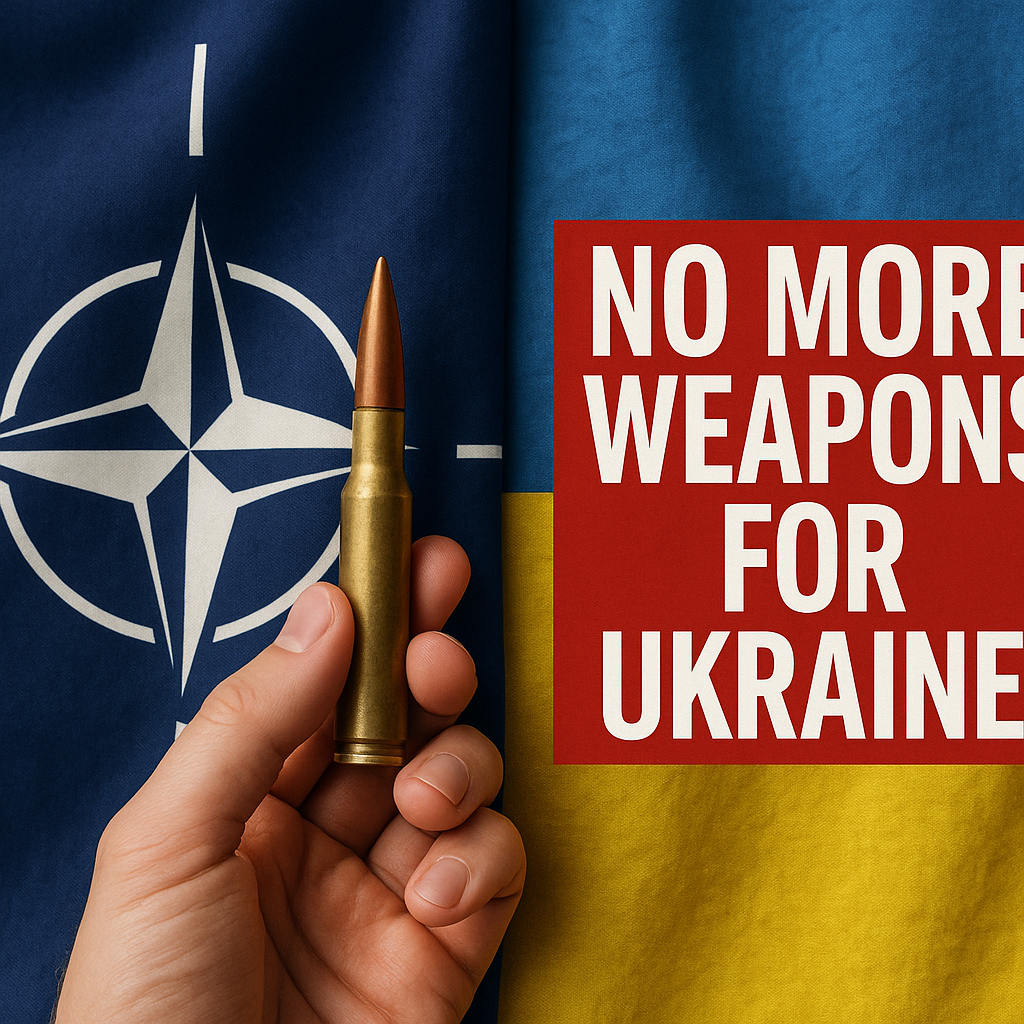
In a surprising turn of events, a key NATO member has halted weapon shipments to Ukraine, igniting heated discussions about what this means for the nations defense and the unfolding geopolitical landscape. This pivotal moment raises vital questions about Ukraines resilience against ongoing threats and the future of international support.
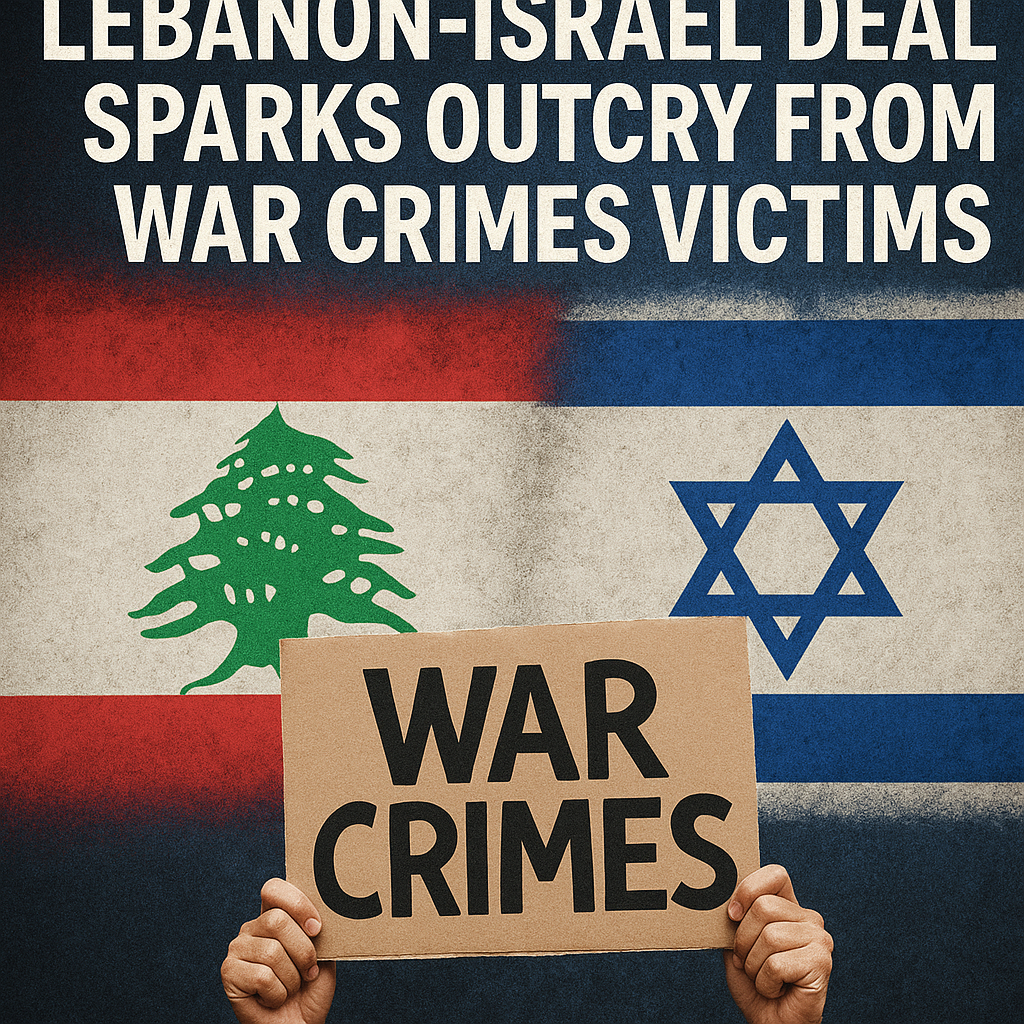
The recent Lebanon-Israel deal has sparked fierce backlash from war crimes victims, who feel their pain is being overshadowed by promises of economic gain. Critics say that while the agreement aims for stability, it fails to address the deep-rooted injustices and historical grievances that continue to haunt the region.