Amid a rare three-day calm, excitement is building for potential US-Iran talks, offering a glimmer of hope for a diplomatic thaw in a long-fractured relationship. Could this be the turning point weve all been waiting for?

Amid a rare three-day calm, excitement is building for potential US-Iran talks, offering a glimmer of hope for a diplomatic thaw in a long-fractured relationship. Could this be the turning point weve all been waiting for?
As the US and Saudi Arabia edge closer to a pivotal nuclear deal, the stakes are high—this agreement could redefine Middle Eastern stability while intertwining with Israels recognition. Is this a bold step toward a united front, or a recipe for regional tensions?
In a surprising move, the U.S. has decided to postpone military action against Iran until after the FIFA World Cup final, aiming to prioritize global unity and minimize chaos during one of the world’s biggest sporting events. This strategic pause could open doors for diplomacy while keeping international relations intact—what do you think of this calculated timing?
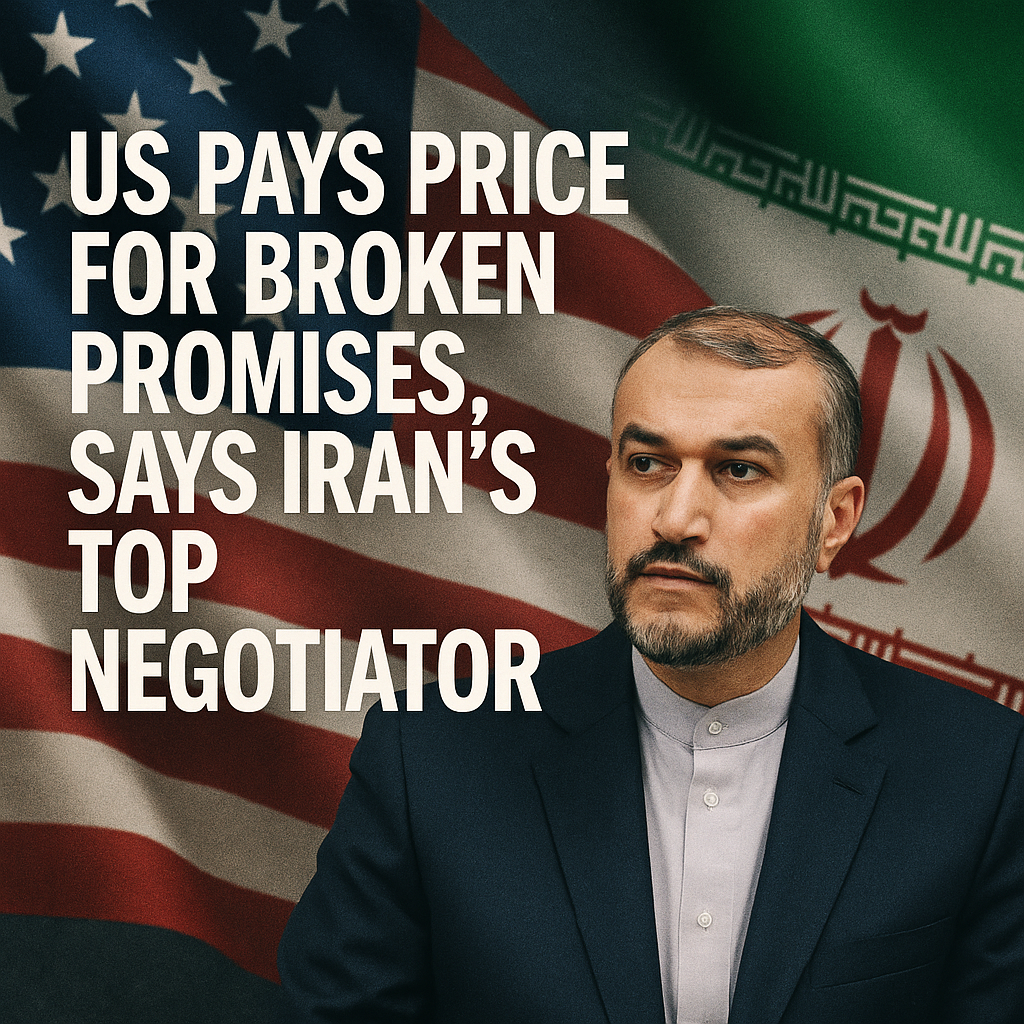
Irans chief negotiator boldly states, “The US pays the price for broken promises,” highlighting a deep frustration in Tehran over American unreliability, especially following the fallout from the 2015 nuclear deal. As tensions rise, both nations grapple with a fraught landscape where betrayals echo far beyond their borders.
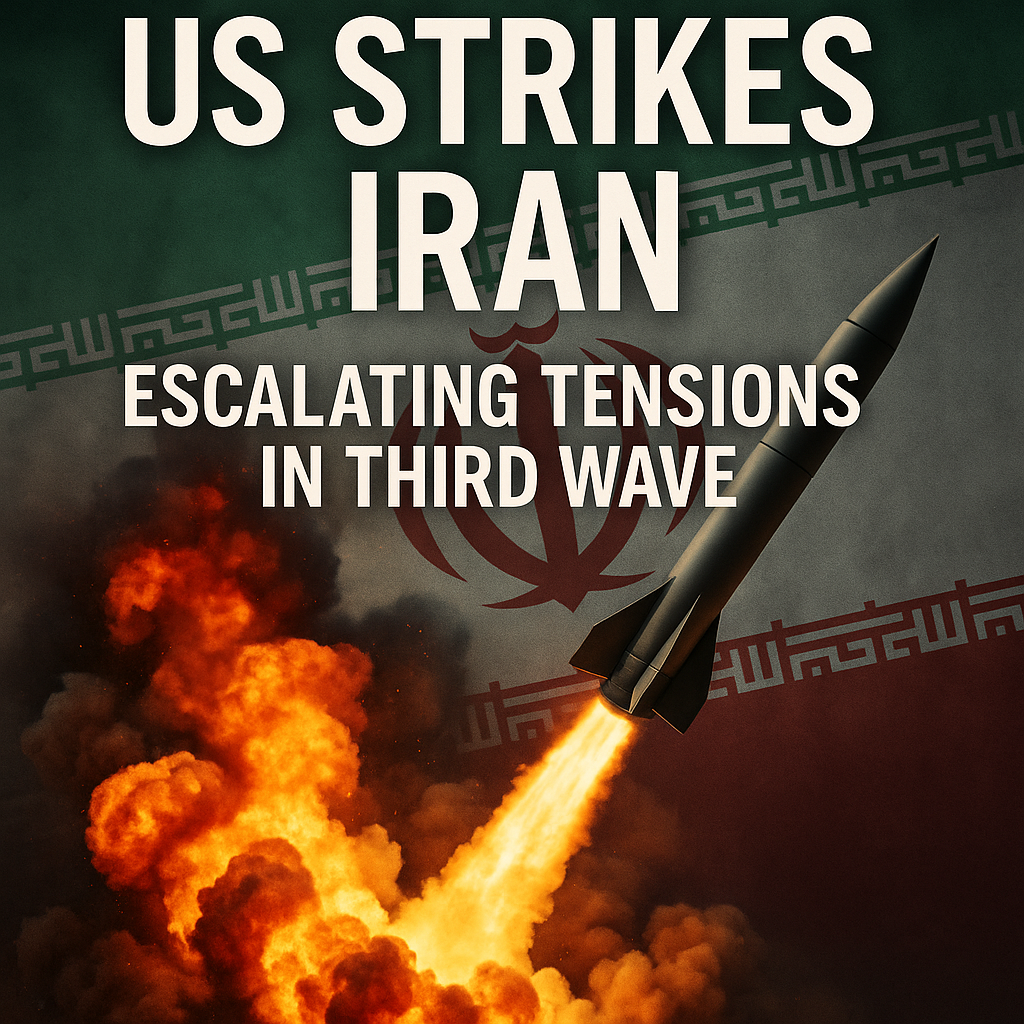
As tensions soar between the US and Iran, the latest military actions signal a dramatic shift that could reshape the geopolitical landscape—raising urgent questions about stability and diplomacy. Join us as we unpack the complexities of this unfolding story and the implications for the region and beyond!
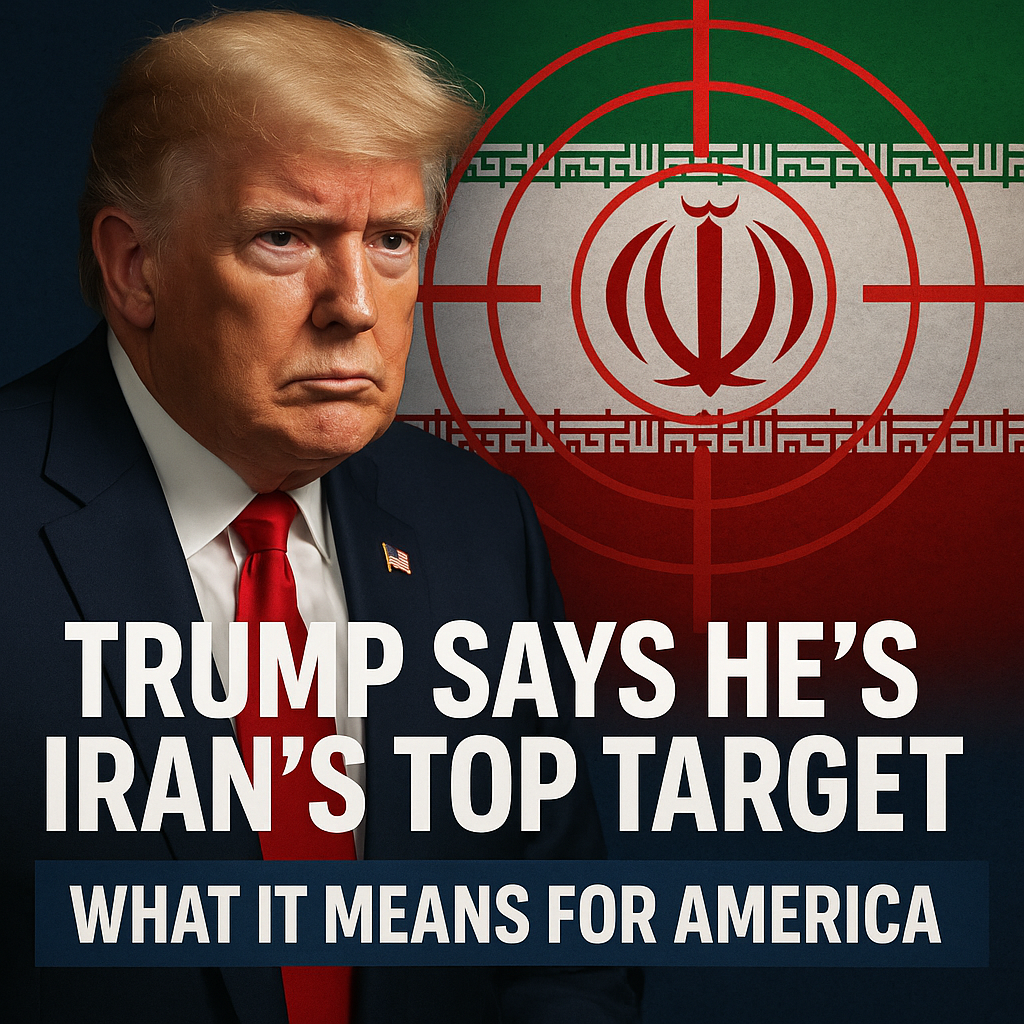
Trumps bold claim of being Irans top target not only raises eyebrows but also reignites vital conversations about U.S.-Iran relations and national security—are we ready for the implications that might follow? Join the debate as we unpack what this could mean for America and the geopolitical chessboard!
At the funeral of Iranian General Qassem Soleimani, mourners unleashed a shocking political statement with a banner reading Kill Trump, capturing the deep-seated emotions and hostilities that continue to shape U.S.-Iran relations. This poignant moment not only highlights the lingering anger over Soleimani’s assassination but also reveals the complex feelings that define life in Iran today.
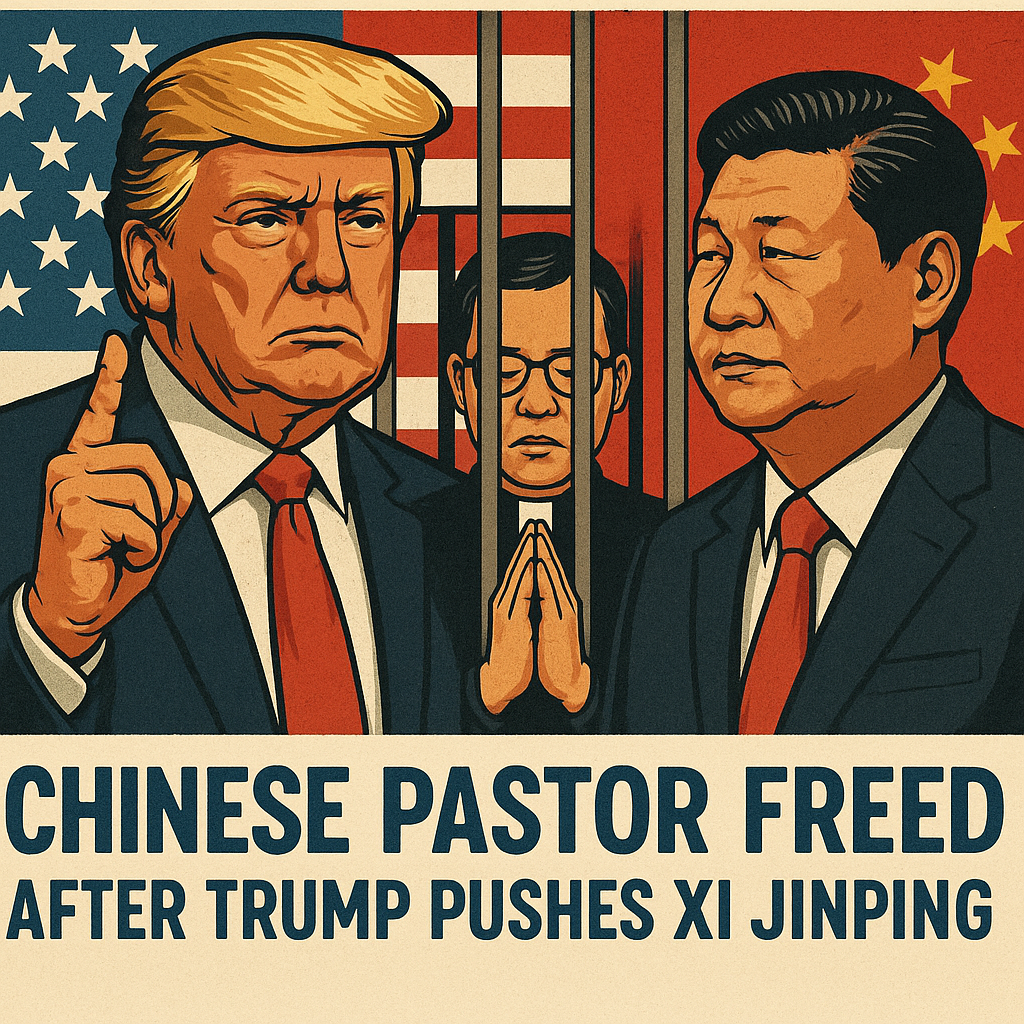
In a stunning diplomatic twist, a renowned Chinese pastor has been freed from detention after former President Donald Trump urged Xi Jinping to intervene, sparking a crucial conversation about human rights in authoritarian regimes. This story not only highlights the power of international relationships but also raises vital questions about the ongoing struggle for religious freedom in China.
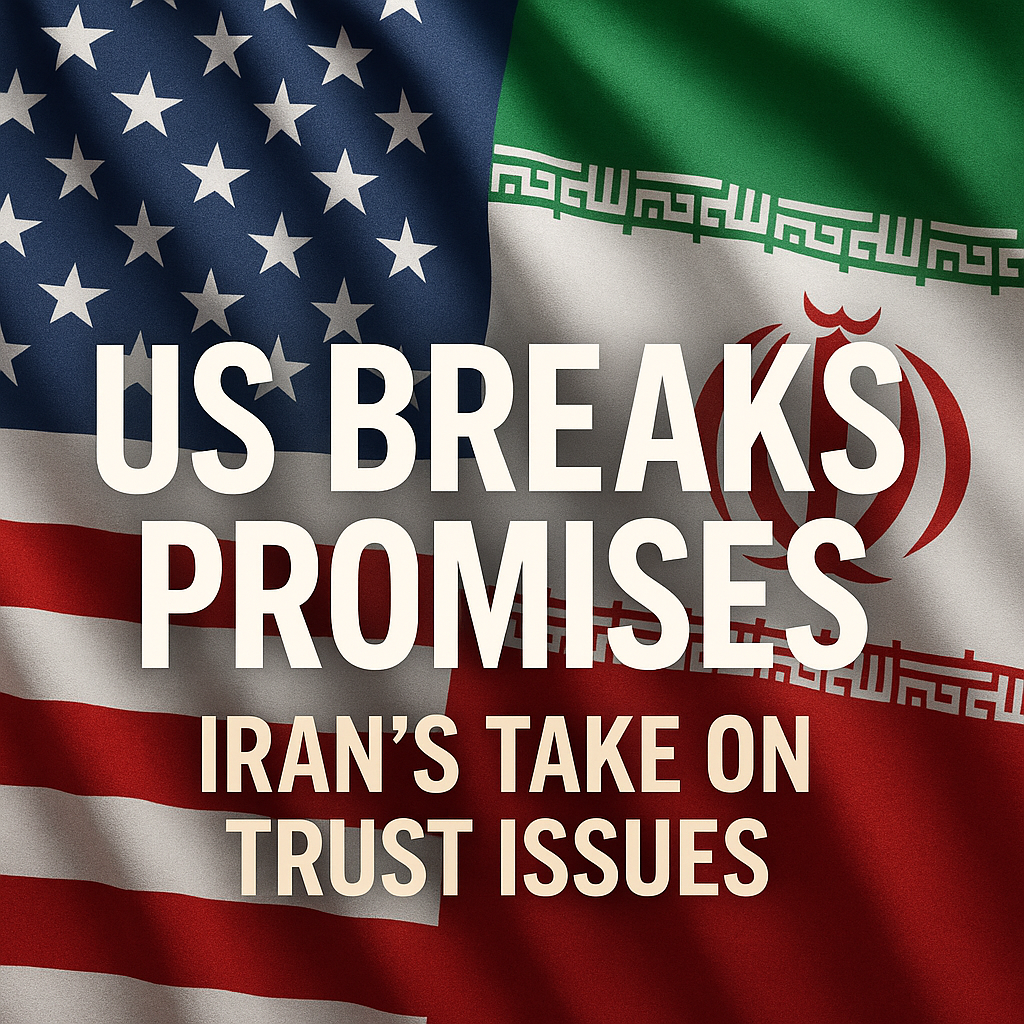
With decades of broken promises shaping the U.S.-Iran relationship, it’s no wonder Iran is wary of engaging with a partner steeped in mistrust. As diplomats attempt to navigate this rocky terrain, the calls for accountability and reliability resonate louder than ever.
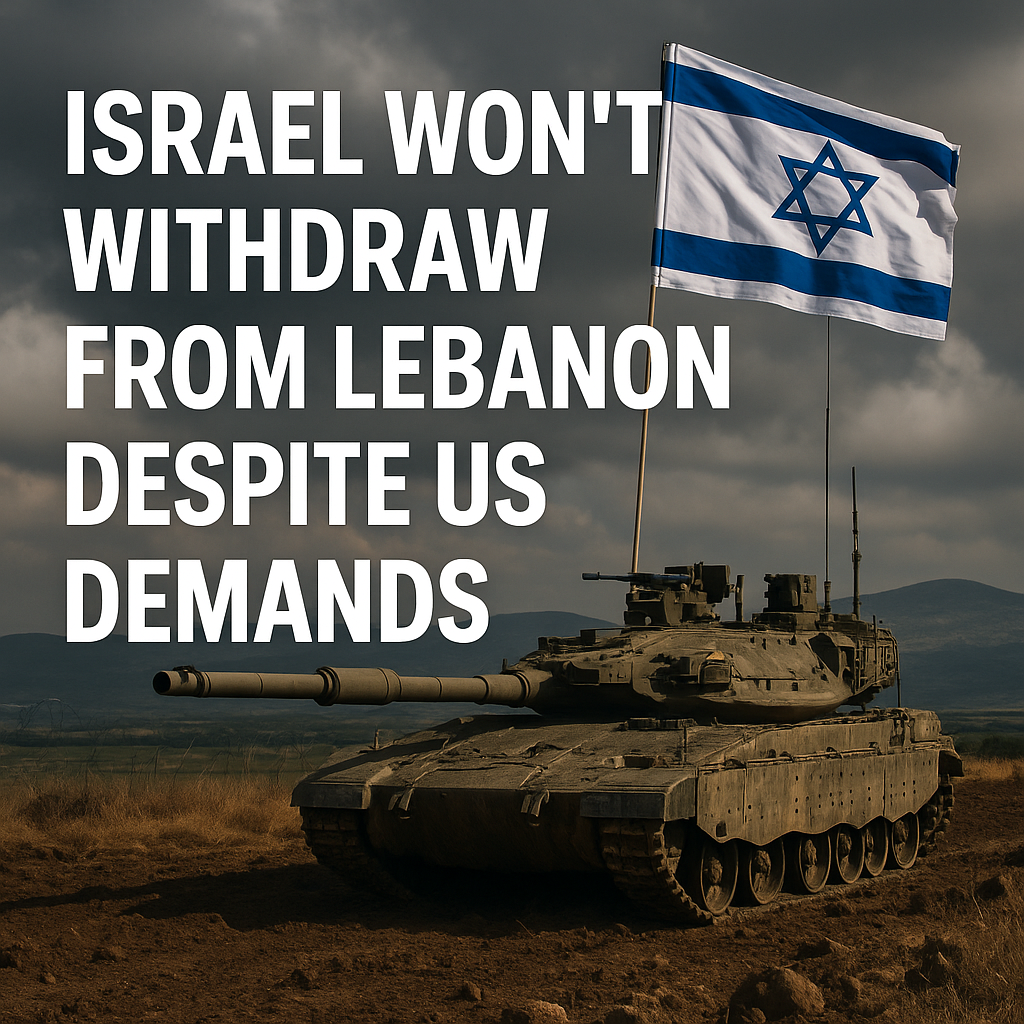
Israels steadfast stance on staying in Lebanon, despite U.S. pleas, reflects deep-rooted security concerns and the complexities of an unstable region—an ongoing struggle where historical grievances and modern threats collide. With tensions high and regional dynamics shifting, this decision raises crucial questions about safety and diplomacy in the Middle East.