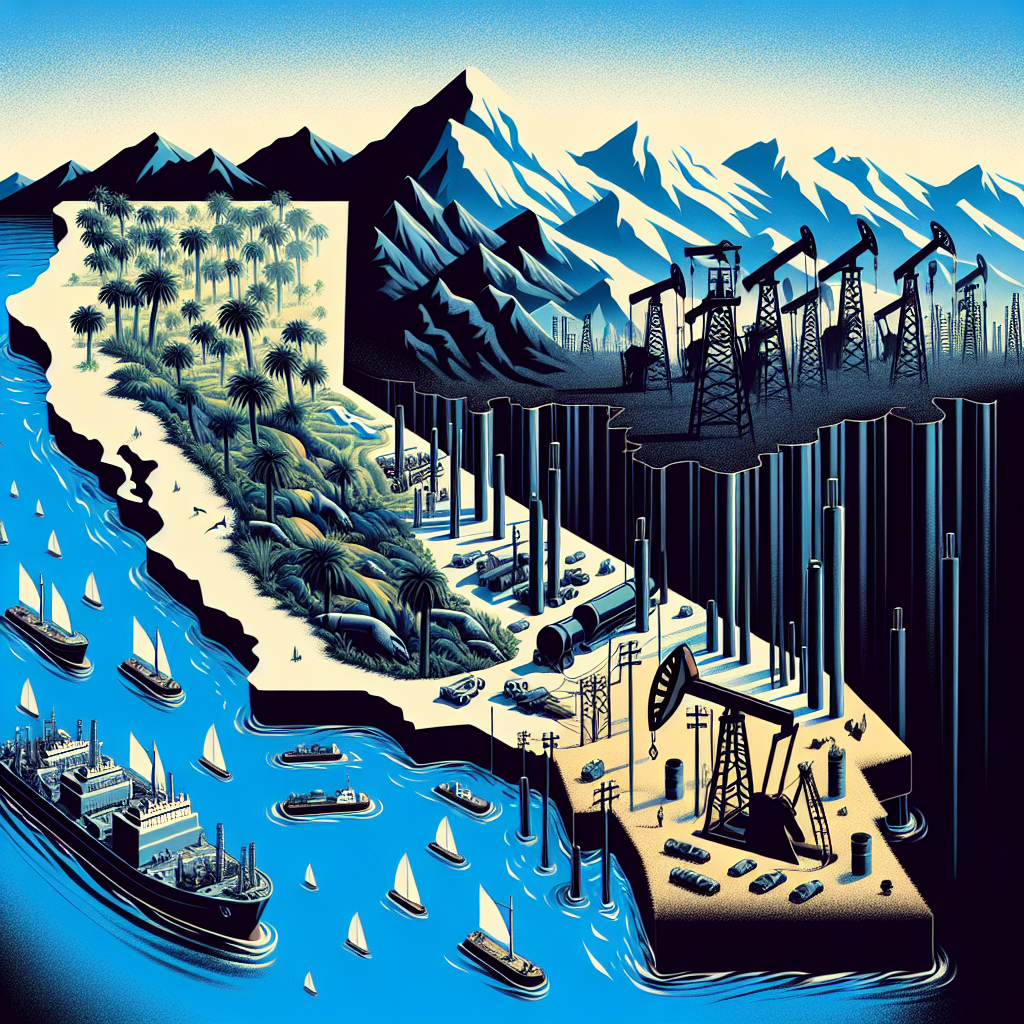
California’s Push to Hold Oil Companies Accountable for Disaster Costs Hits a Snag
California’s Efforts to Hold Oil Companies Accountable
Background
California has been at the forefront of environmental advocacy, striving to mitigate the impacts of climate change and hold major polluters accountable. A significant part of this effort involves making oil companies pay for the environmental and economic damages caused by their operations.

The Legal Challenge
Recently, California’s initiative to make oil companies financially responsible for disaster costs has encountered a significant obstacle. The state’s legal strategy, which involves suing these companies for their role in climate-related disasters, is facing challenges in the courts.

Key Issues
- Legal Precedents: Courts are grappling with the lack of clear legal precedents for holding companies accountable for climate change-related damages.
- Jurisdictional Hurdles: Determining the appropriate jurisdiction for these cases is proving to be complex, with debates over whether state or federal courts should preside.
- Scientific Attribution: Establishing a direct link between specific company actions and climate-related disasters remains a contentious and scientifically challenging task.
Implications for the Future
The outcome of these legal battles could set a significant precedent for future environmental litigation. A successful case could pave the way for other states and countries to pursue similar actions against major polluters.

Conclusion
California’s push to hold oil companies accountable for disaster costs is a pivotal moment in environmental law. Despite facing legal and scientific challenges, the state’s efforts highlight the growing demand for corporate responsibility in addressing climate change. The resolution of these cases could have far-reaching implications for environmental policy and corporate accountability worldwide.