U.S. Ends ‘Temporary Protected Status’ for Afghans and Cameroonians
U.S. Ends ‘Temporary Protected Status’ for Afghans and Cameroonians
Overview
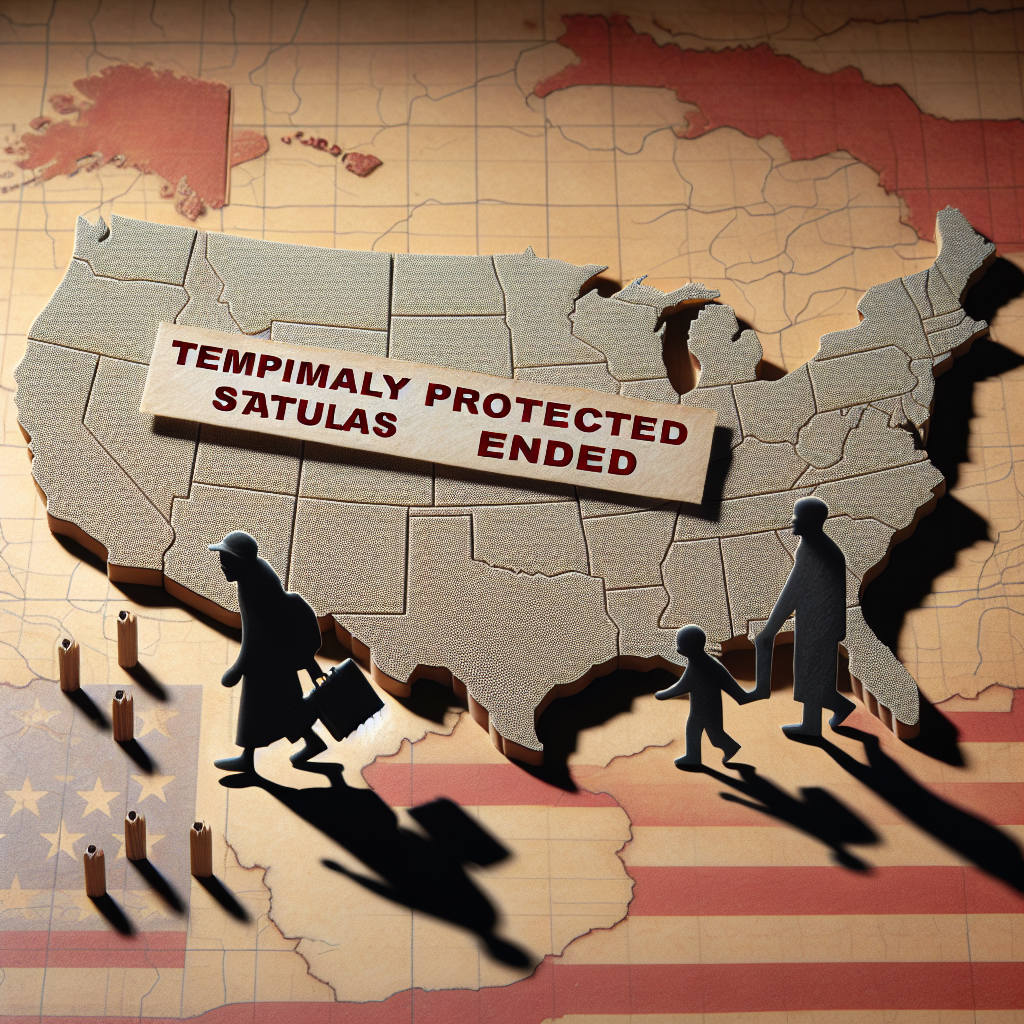
The United States government has announced the termination of the ‘Temporary Protected Status’ (TPS) for individuals from Afghanistan and Cameroon. This decision impacts thousands of immigrants who have been residing in the U.S. under this special designation, which was initially granted due to ongoing conflicts and humanitarian crises in their home countries.

Key Details
- Background: TPS is a humanitarian program that allows nationals from designated countries to live and work in the U.S. temporarily when their home countries are deemed unsafe due to armed conflict, natural disasters, or other extraordinary conditions.
- Impact: The termination of TPS for Afghans and Cameroonians means that affected individuals may face deportation unless they find alternative legal means to remain in the U.S.
- Reasoning: The U.S. government cited improved conditions in both Afghanistan and Cameroon as the basis for ending the TPS designation, though this assessment is contested by some advocacy groups.
Reactions
The decision has sparked a range of reactions from various stakeholders:

- Advocacy Groups: Many organizations have expressed concern, arguing that the conditions in Afghanistan and Cameroon remain unstable and unsafe for returnees.
- Government Officials: Some officials support the decision, emphasizing the need to reassess TPS designations regularly to reflect current realities.
- Immigrant Communities: Affected individuals and communities are anxious about their future, with many seeking legal advice and exploring other immigration options.
Conclusion
The termination of TPS for Afghans and Cameroonians marks a significant shift in U.S. immigration policy, with profound implications for those affected. While the government argues that conditions have improved in these countries, the decision remains controversial, highlighting the ongoing debate over immigration and humanitarian protection in the U.S.