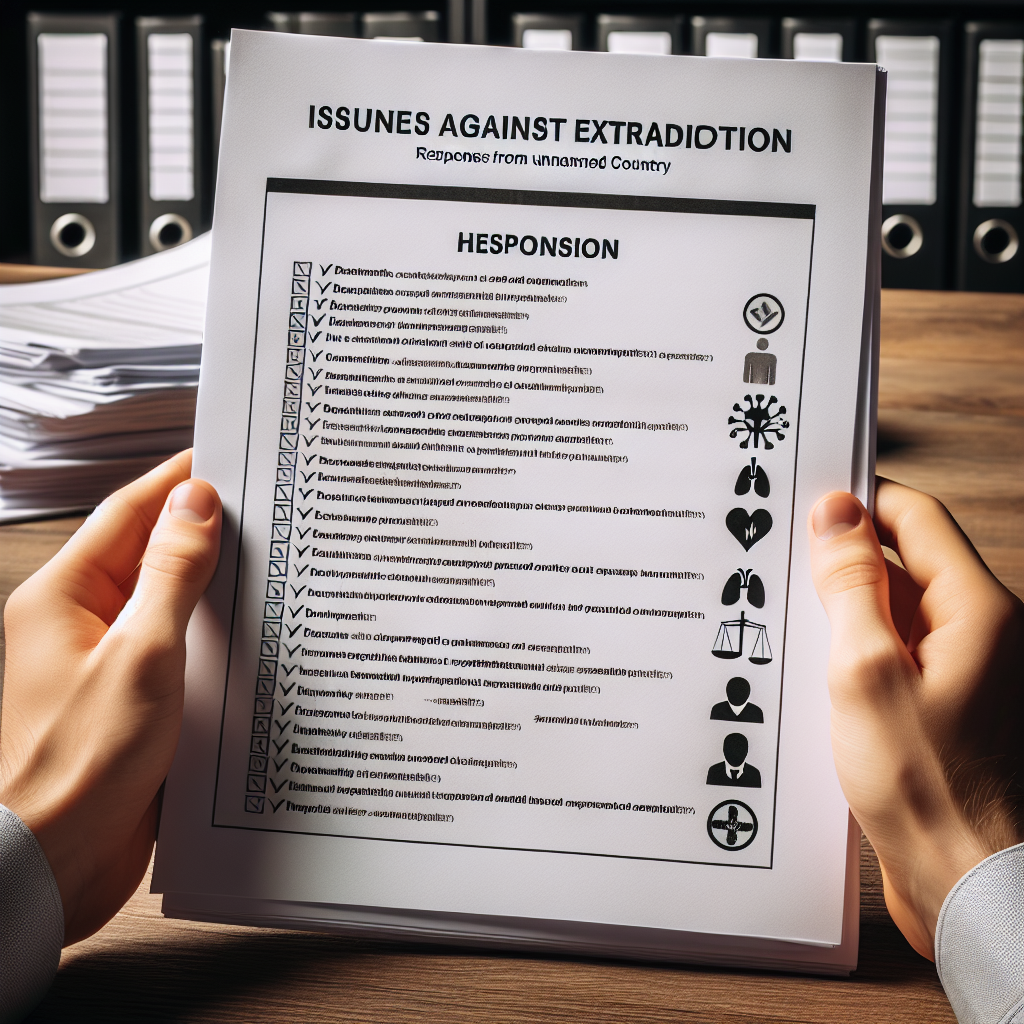
Tahawwur Rana’s 33 Health Claims Against Extradition: US Responds
Tahawwur Rana’s 33 Health Claims Against Extradition: US Responds
Background
Tahawwur Rana, a Canadian businessman of Pakistani origin, is facing extradition from the United States to India. He is accused of involvement in the 2008 Mumbai terror attacks. Rana has filed 33 health-related claims to contest his extradition, citing various medical conditions as reasons for his inability to be extradited.

Rana’s Health Claims
Rana’s defense has presented a comprehensive list of health issues, arguing that extradition would exacerbate his conditions. The claims include:

- Chronic health conditions such as diabetes and hypertension
- Concerns about inadequate medical care in Indian prisons
- Potential risks due to the COVID-19 pandemic
US Government’s Response
The US government has responded to Rana’s claims, emphasizing the following points:

- Assurances from India regarding adequate medical care for Rana
- Legal precedents that support extradition despite health claims
- Arguments that Rana’s health conditions can be managed effectively in India
Legal and Diplomatic Implications
The case has significant legal and diplomatic implications, as it involves:
- US-India extradition treaty obligations
- International cooperation in counter-terrorism efforts
- Human rights considerations in extradition cases
Conclusion
The ongoing legal battle over Tahawwur Rana’s extradition highlights the complex interplay between health claims and international legal obligations. While Rana’s defense focuses on his medical conditions, the US government remains committed to fulfilling its extradition treaty with India, ensuring that justice is served in the case of the 2008 Mumbai attacks.