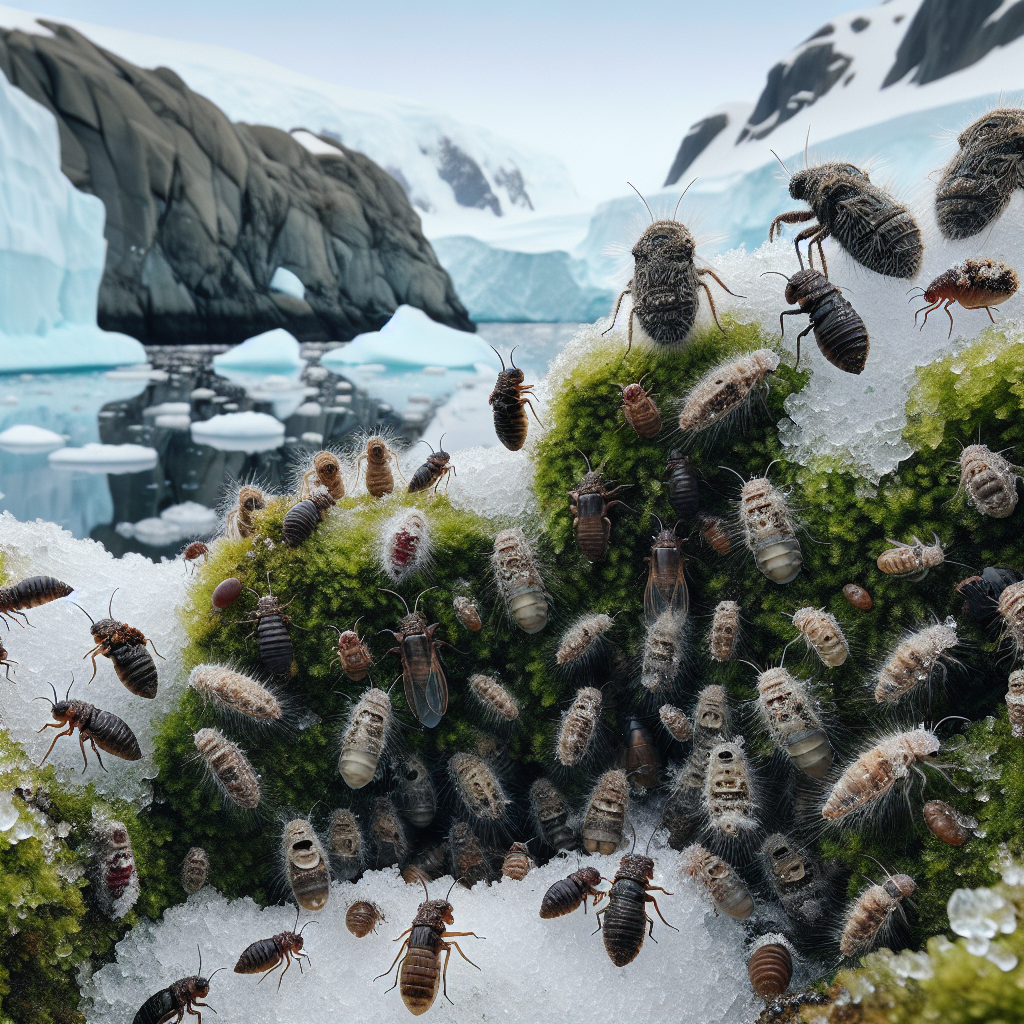
How Tiny Insects Thrive in Antarctica’s Harsh Climate

How Tiny Insects Thrive in Antarctica’s Harsh Climate
Introduction to Antarctic Insects
Antarctica, known for its extreme cold and inhospitable environment, surprisingly hosts a variety of tiny insects that have adapted to survive and thrive in such harsh conditions. These resilient creatures offer fascinating insights into the adaptability of life.

Adaptation Strategies
Antarctic insects have developed unique strategies to cope with the severe climate:


- Antifreeze Proteins: These proteins prevent ice crystal formation in their bodies, allowing them to survive freezing temperatures.
- Dehydration Tolerance: By losing water, insects reduce the risk of ice formation within their cells.
- Slow Metabolism: A reduced metabolic rate helps conserve energy during long periods of cold and darkness.
Key Species
Among the various insects, a few key species stand out for their remarkable adaptations:

- Belgica antarctica: The largest terrestrial animal in Antarctica, this flightless midge is known for its ability to survive extreme conditions.
- Cryptopygus antarcticus: A springtail species that thrives in the Antarctic soil, playing a crucial role in the ecosystem.
Ecological Importance
These insects are not just survivors; they play vital roles in the Antarctic ecosystem:
- Nutrient Cycling: Insects contribute to the breakdown of organic matter, facilitating nutrient recycling.
- Food Web Support: They serve as a food source for other organisms, maintaining the ecological balance.
Research and Implications
Studying these insects provides valuable insights into biological resilience and adaptation:
- Climate Change Indicators: Insect populations can serve as indicators of environmental changes in Antarctica.
- Biotechnological Applications: Understanding their antifreeze mechanisms could inspire innovations in cryopreservation and other technologies.
Conclusion
Antarctic insects exemplify the incredible adaptability of life in extreme environments. Their survival strategies not only highlight the resilience of nature but also offer potential applications in science and technology. As climate change continues to impact polar regions, these tiny creatures may provide crucial insights into the future of these fragile ecosystems.