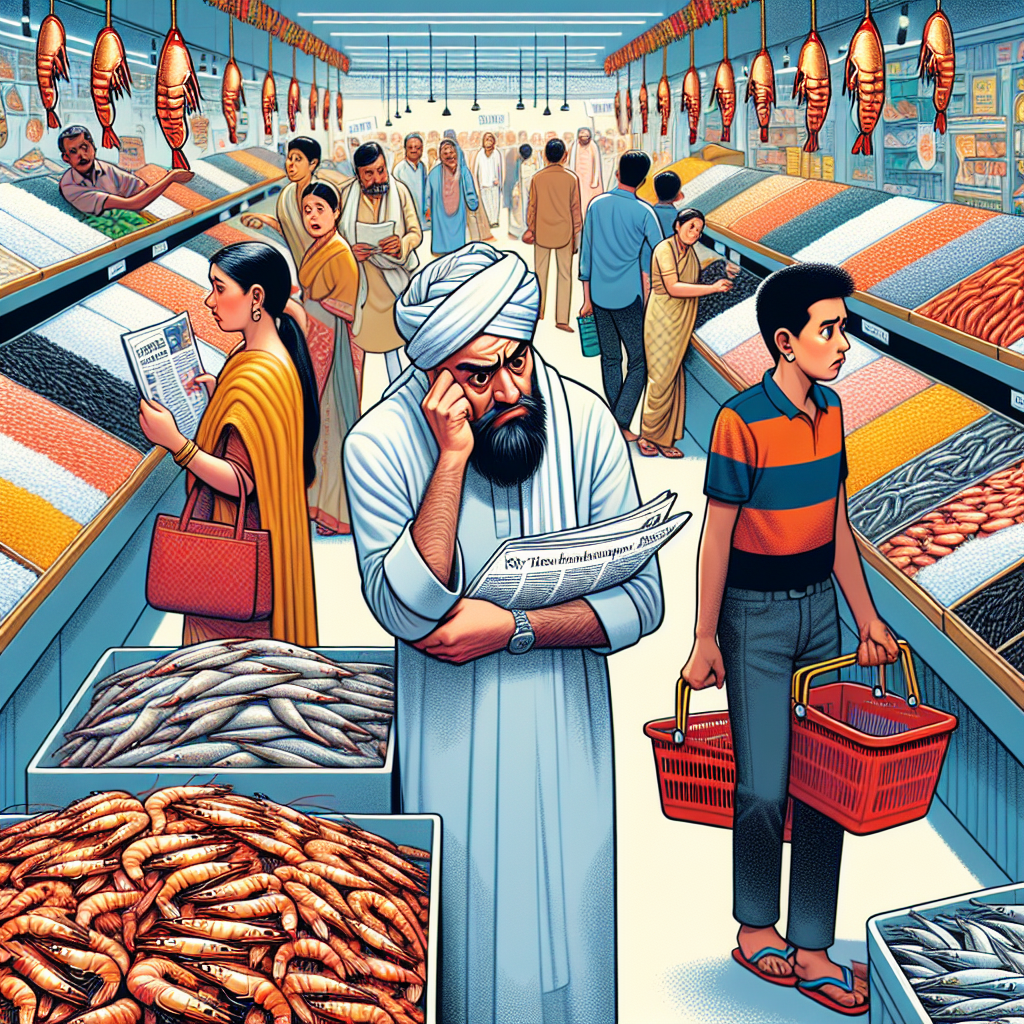
India’s Shrimp Industry Faces Challenges Amid Trump Tariffs
India’s Shrimp Industry Faces Challenges Amid Trump Tariffs
Introduction
The Indian shrimp industry, a significant player in the global seafood market, is grappling with new challenges due to tariffs imposed by the Trump administration. These tariffs have created a ripple effect, impacting various stakeholders within the industry.

Impact of Tariffs
The tariffs have introduced several hurdles for the Indian shrimp industry, affecting its competitiveness and market dynamics.

- Increased Costs: The tariffs have led to higher export costs, making Indian shrimp less competitive in the U.S. market.
- Market Share Loss: Competing countries like Vietnam and Ecuador are gaining ground as they face fewer trade barriers.
- Supply Chain Disruptions: The tariffs have disrupted supply chains, affecting the timely delivery of shrimp to international markets.
Industry Response
In response to these challenges, the Indian shrimp industry is exploring various strategies to mitigate the impact of the tariffs.

- Market Diversification: Efforts are underway to explore new markets beyond the U.S. to reduce dependency.
- Cost Optimization: Companies are focusing on optimizing production and operational costs to maintain profitability.
- Policy Advocacy: Industry leaders are engaging with the government to seek diplomatic solutions and tariff relief.
Future Outlook
Despite the current challenges, the Indian shrimp industry remains resilient and is adapting to the changing global trade landscape. The focus is on innovation and strategic partnerships to sustain growth.
Conclusion
The imposition of tariffs by the Trump administration has posed significant challenges for India’s shrimp industry, affecting its market position and operational dynamics. However, through strategic responses and market adaptation, the industry is striving to overcome these obstacles and secure its future in the global seafood market.