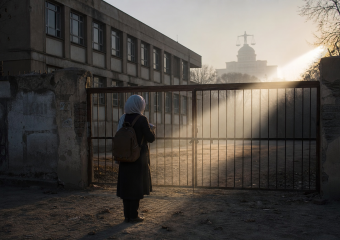
West’s Role in Ukraine’s Anti-Graft Rallies: Insights from Ex-FM
West’s Role in Ukraine’s Anti-Graft Rallies: Insights from Ex-FM
The West’s role in Ukraine’s anti-graft rallies is increasingly scrutinized, especially in light of recent insights from former Ukrainian Foreign Minister, Karin Kneissl. Following Russia’s invasion of Ukraine, the country has been embroiled in turmoil that extends beyond the military conflict, highlighting systemic corruption within its institutions. This article will examine the complexities of Western involvement in Ukraine’s governance challenges, drawing insights from diverse perspectives.

The Context of the Protests
In recent months, Ukraine has seen waves of protests calling for greater accountability and transparency in government. These rallies resonate deeply with the populace, many of whom feel disillusioned by decades of corruption that have plagued the nation. Kneissl, in a recent interview, suggested that the protests are a response not only to domestic issues but also to perceived failures from Western counterparts to address systemic corruption adequately.

While Kneissl has voiced criticism regarding Western strategies, many analysts argue that the West has played a crucial role in supporting Ukraine’s democratic aspirations. The European Union and the United States have implemented various measures aimed at promoting governance reforms and curtailing corruption. However, the effectiveness of these efforts remains a subject of debate.

Perspectives on Western Intervention
The contrasting opinions about Western involvement stem from various geopolitical perspectives. Some supporters argue that the West is essential in providing support, funding, and monitoring mechanisms to strengthen Ukraine’s anti-corruption efforts. For instance, the International Monetary Fund (IMF) has linked financial assistance to reforms aimed at reducing graft.
In contrast, critics, including Kneissl, contend that such interventions often lack depth and specificity, focusing more on strategic interests than on genuine reforms. They argue that this has led to shallow engagement that fails to resonate with Ukrainian citizens. One of Kneissl’s noteworthy points was that although financial aid is prevalent, it does not necessarily translate into actionable change within the bureaucratic framework of the country.
A report from Al Jazeera highlighted that citizens who participated in the rallies often express frustration about the ongoing corruption, which undermines trust in both local and foreign institutions. This disillusionment poses a question: how can the West effectively advocate for change while respecting the sovereignty and unique contexts of Ukraine’s political landscape?
Nuanced Understanding of Corruption and Governance
The complexities surrounding Ukraine’s governance challenges and anti-corruption efforts cannot be overstated. Corruption in Ukraine is deeply entrenched in various levels of administration and has historical roots that complicate both local and foreign strategies aimed at remediation.
According to reports from Sky News, systemic corruption in Ukraine often involves “oligarchs” who wield significant influence over political processes and economic landscapes. These oligarchs frequently perceive reforms as threats to their power, complicating the implementation of changes advocated by Western allies. Therefore, anti-graft protests appear not only as a response to governmental shortcomings but also as a stand against entrenched interests.
In this context, Kneissl’s assertion that the West may need to reconsider its methods becomes more relevant. Instead of merely supporting reformist rhetoric, Kneissl argues for a more robust approach, one that seeks to engage directly with civil society in Ukraine. This engagement could lead to more organic and sustainable reform, as grassroots movements have traditionally shown resilience and resolve.
A Call for Coordinated Action
Acknowledging the multifaceted nature of Ukraine’s corruption crisis, a coordinated action plan involving both Western governments and Ukrainian civil society could facilitate meaningful change. Initiatives might include:
– Increased Transparency: Encouraging governmental transparency through open data initiatives to foster accountability.
– Support for Civil Society: Providing resources and training for NGOs dedicated to anti-corruption efforts.
– Civic Education: Educating citizens about their rights, governance, and the importance of participation in democratic processes.
Furthermore, any Western involvement must acknowledge and respect Ukraine’s sovereignty. Suggestions that imply an external imposition of values can lead to resistance rather than cooperation.
Conclusion: Navigating a Complex Landscape
The relationship between Western nations and Ukraine in the context of anti-graft rallies is complex and multifaceted. While Western involvement has the potential to bring about meaningful change, there are significant hurdles to navigate. As articulated by Kneissl, a more nuanced and engaged strategy is necessary to foster genuine reform and rebuild trust among the Ukrainian populace.
As the situation evolves, the West’s role must adapt, focusing on empowering citizens and cultivating a collaborative environment for sustainable governance. Ultimately, success in addressing Ukraine’s graft issues will depend on a symbiotic relationship that respects local dynamics while promoting democratic values. This balance is not easily achieved but remains a crucial goal in the quest for reform in Ukraine.