Russia Jails Journalist Linked to Navalny’s Dissent Crackdown
Russia Jails Journalist Linked to Navalny’s Dissent Crackdown
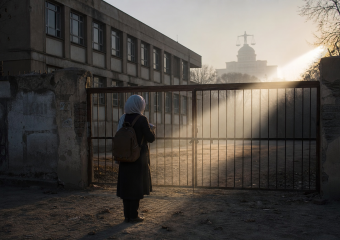
In a significant move that underscores the ongoing tensions surrounding dissent in Russia, a journalist has been sentenced to imprisonment due to alleged ties with opposition leader Alexei Navalny. This incident raises important questions about freedom of the press, the safety of dissidents, and the state of democracy in a country facing increasing authoritarianism.

The Context of the Crackdown
The arrest and subsequent jail sentence of this journalist are emblematic of Russia’s broader strategy to stifle dissent. Authorities have intensified a campaign against journalists and activists closely associated with Navalny, who has become a prominent figure opposing President Vladimir Putin’s regime. According to a recent article from Al Jazeera, the journalist was accused of being involved in the financing and operations of Navalny’s Anti-Corruption Foundation, which has been designated as an “undesirable organization” by Russian authorities.

This crackdown on civil liberties is not an isolated event. Over the past few years, many journalists have faced harsh repercussions for their reporting on government corruption and human rights abuses. In light of these developments, the environment for media professionals becomes increasingly dangerous, fostering a culture of fear that discourages honest reporting.

Diverse Perspectives on the Implications
Various sources provide differing perspectives on the implications of this arrest. RT, a state-owned news agency, presents the arrest as a necessary step to maintain public order. They argue that Navalny and his associates engage in activities aimed at destabilizing Russia. By framing dissent as a threat, they align the Kremlin’s actions with national security concerns.
Conversely, Al Jazeera and other international news outlets emphasize the potential chilling effect this development may have on press freedom. The case highlights a growing trend where the government employs legal measures to silence criticism. The implications of such actions are vast, affecting not only the targeted individuals but also the media landscape as a whole.
This polarization of perspectives illustrates a broader global debate about the tension between state security and individual freedoms, especially within authoritarian regimes.
The International Reaction
The international community has responded with concern over Russia’s increasing intolerance for dissent. Human rights organizations have condemned the imprisonment as part of a systematic approach to eliminate voices that challenge the existing political order. Calls for the immediate release of detained journalists reverberate from various countries, putting pressure on Moscow to revisit its human rights commitments.
Opinions vary about what actions should be taken, with some advocates suggesting stronger economic sanctions or diplomatic pressure to compel Russia to respect freedoms of speech and the press. Others caution that such measures could exacerbate relations and worsen the plight of dissidents within the country.
What Lies Ahead?
As the situation develops, several uncertainties loom large. Questions arise as to whether this move will deter future dissent or galvanize greater opposition against the regime. Past crackdowns have sometimes led to increased public mobilization, especially when governmental overreach becomes too evident.
Furthermore, the potential for international backlash may lead the Kremlin to re-evaluate its strategies. It’s crucial to recognize that although the leadership can silence individual voices, the vigor of grassroots movements often thrives in response to repression. This dynamic complexity is vital in assessing the long-term outcomes of the current political climate.
Conclusion
The imprisonment of a journalist linked to Navalny’s opposition efforts reflects not only the harsh realities faced by dissenters in Russia but also raises broader questions about the future of journalistic integrity and civil liberties in the region. While the immediate sentiment may favor state security, the persistent resilience among journalists and activists suggests that the fight for truth and transparency is far from over.
As developments unfold, observers will be keenly watching how this situation evolves and whether it paves the way for a more significant awakening of public resistance against authoritarian practices in Russia, or if it signals a deeper entrenchment of repression.