Gaza Life Stripped: Aerial View of Its Colorless Transformation
Gaza Life Stripped: Aerial View of Its Colorless Transformation
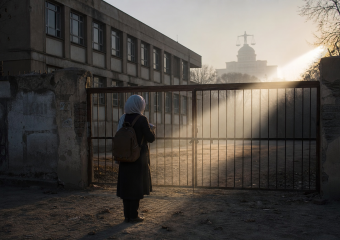
The transformation of Gaza into a landscape marked by desolation is evident when viewed from above. This aerial perspective not only highlights the physical ravages of conflict but also encapsulates the emotional toll on its inhabitants. Amidst the complex geopolitical backdrop, Gaza’s shift from a bustling port city to a stark, colorless environment invites reflection on the resilience of its people and the implications of prolonged strife.

A Shattered Ecosystem: The Human Cost
Gaza, once a thriving hub of commerce and culture, has been deeply affected by successive conflicts, leading to its current state of degradation. Reports indicate that the destruction of infrastructure and homes has left parts of Gaza resembling a ghost town, stripped of its vibrancy. According to Al Jazeera, the impact of military actions and blockades has shattered the local economy, causing unemployment rates to soar to staggering levels.

– Economic Decline: The International Monetary Fund (IMF) has noted that Gaza’s economy has shrunk significantly, exacerbating poverty levels among residents. Basic necessities such as food, water, and electricity have become scarce, further complicating daily life.

– Psychological Toll: Moreover, the psychological impact on the populace cannot be understated. Studies reveal high levels of anxiety and depression among those living in conflict zones. Sky News highlights interviews with residents who express a deep sense of loss, not just of homes and businesses but of hope itself.
Despite the bleak circumstances, many Gazans continue to show remarkable resilience. Community initiatives and grassroots movements have sprung up in response to adversity, showcasing the indomitable spirit of the people. Grassroots organizations are working tirelessly to provide support and resources, helping to rebuild what little remains and offering psychological support to those affected by trauma.
The Aerial Perspective: Symbolism and Reality
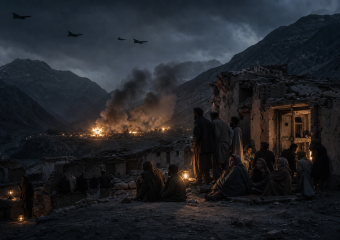
When considering the visual representation of Gaza today, aerial views reveal a stark contrast to past images characterized by life and color. The before and after snapshots—where bustling markets and lively neighborhoods once thrived—depict a post-apocalyptic landscape. RT News describes the desolate scenes; once-vibrant streets now lie in ruins, and buildings have become mere shadows of their former selves.
– Destruction of Heritage: Historical sites, which stood for centuries, have been damaged or destroyed, effectively erasing pieces of cultural heritage. These losses resonate deeply with residents, who view their history as intertwined with their identity.
– Emergence of a New Normal: However, amidst the rubble, the people of Gaza are adapting to their new reality. Creative expressions ranging from art to music have emerged, reflecting the human condition in times of hardship. Local artists use their talents to convey the struggles faced by their communities, serving both as a form of resistance and a means of expression.
The Way Forward: Seeking Solution Amidst Despair
The complexity of the situation in Gaza raises the question of potential solutions. While international efforts to broker peace have been ongoing for decades, tangible outcomes remain elusive. Perspectives differ on the viability of a two-state solution, with some believing that renewed dialogue is the key to peace. Others argue for a reevaluation of existing frameworks, given the shifting dynamics in the region.
– International Response: Numerous global organizations have proposed various plans aimed at conflict resolution, yet the focus often falters on political machinations rather than immediate humanitarian needs. The urgency for increased humanitarian aid remains paramount as the population continues to suffer.
– Role of the Youth: The youth in Gaza, who represent a significant portion of the population, are emerging as pivotal players in shaping the future. The involvement of young leaders in promoting dialogue and change can serve as a beacon of hope. Their perspectives on peace differ significantly from older generations, often emphasizing collaboration and understanding.
In conclusion, the aerial viewpoint of Gaza serves as a powerful reminder of the ongoing struggles faced by its people. It captures not just a physical transformation but the collective grief, resilience, and hopes of those who call it home. The path forward requires a nuanced understanding of the historical context, coupled with a genuine commitment to address the immediate needs of the community, fostering an environment where healing, repair, and ultimately, peace may flourish.