Afghans in US Reflect on Taliban Kabul Takeover Amid Trump Policies
Afghans in the US Reflect on the Taliban Kabul Takeover Amid Trump Policies
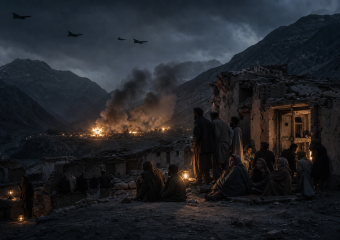
The anniversary of the Taliban’s takeover of Kabul on August 15, 2021, serves as a poignant reminder for Afghans living in the United States. This moment is not just a marker of a geopolitical shift but also a reflection of personal stories and national policies that have shaped their lives. For many, the memories of the fallout coincide with the complexities of experiencing life in a new country, especially against the backdrop of the policies enacted during Donald Trump’s presidency.

Remnants of the Past: The Emotional Toll of Displacement
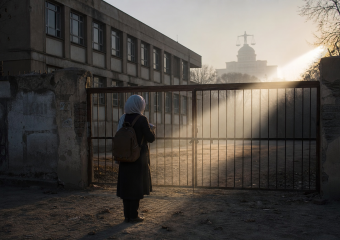
The journey of Afghan refugees who settled in the US post-Taliban takeover is fraught with emotion. Many left their homeland behind, carrying with them not only their belongings but also the weight of memories tied to a nation undergoing profound change. The emotional toll of displacement is evident among these individuals, who often find themselves navigating a new cultural landscape while grappling with the anxiety of friends and family left behind.

According to a recent report from Al Jazeera, many Afghans express a mix of grief and relief. Grief for the loss of their old lives and the uncertainty that now looms over their relatives in Afghanistan, and relief for their own safety in the United States. However, this sentiment is complicated by the restrictive immigration policies implemented during the Trump administration. Many Afghans who sought asylum faced new challenges, with rigorous vetting processes and fears that their applications could be denied.

The Dichotomy of Policy: Acceptance versus Exclusion
The policies enacted during Trump’s presidency created a significant barrier for many Afghan refugees seeking safety. While some were able to enter the country following the withdrawal of US troops, others faced hurdles that seemed insurmountable. The contrast is stark; some Afghans were welcomed programmatically while others were left in limbo. This distinction highlights a growing sentiment among Afghans in the US—many feel that the policies were not only politically motivated but also distinctly shaped by race, religion, and national origin.
A piece from Sky News emphasizes how Trump’s “America First” approach prioritized American citizens over immigrants, resulting in increasingly stringent immigration policies that affected many potential Afghan refugees. Reports indicate that this led to a heightened sense of vulnerability among those seeking refuge, who felt caught in a web of political maneuvering that left their fate uncertain.
However, not all Afghans share a uniformly negative view of Trump’s policies. Some have noted the emphasis on national security during his administration, feeling it was a necessary—even if heavy-handed—approach in a world that fluctuates between chaos and order. This perspective is particularly discussed in circles where individuals may have close ties with US allies in Afghanistan, who benefited from military support amid the chaotic withdrawal.
The Complex Reality: Finding a New Normal
As the anniversary of the Taliban’s takeover arrives, Afghans in the US reflect not only on their losses but also on their new lives. Many have started businesses, built families, and become engaged citizens. Yet, the struggle to find acceptance—both personally and politically—persists. Voices emerging from various communities show that while some Afghans have found a welcoming environment, others continue to fight against stereotypes and discrimination in a climate that feels hostile toward immigrants.
The question that remains for many is how to reconcile their past with their present. For numerous Afghan individuals, the journey is about more than just physical safety; it’s about creating an identity that honors their heritage while integrating into American society. For those engaged in community work, the focus is increasingly on fostering understanding and building connections that bridge cultural divides.
While many Afghans express hope for a more inclusive future, there is also concern about the ongoing political and societal turbulence surrounding immigration in the United States. The narrative surrounding Afghan refugees is evolving, yet remains complex. As their voices grow, so too does the need for an empathetic approach from the broader US society.
Conclusion: Navigating a New Future
As the US continues grappling with the repercussions of Trump-era policies on immigration, the experiences of Afghan refugees offer a lens through which the human aspects of these broader discussions can be understood. Their stories, steeped in hope and hardship, drive home the idea that policies affect lives; changing the ways people view and engage with one another goes beyond legislative action—it demands a cultural shift too.
The reflections of Afghans in the US on the anniversary of the Taliban takeover serve as both a reminder of the past and a call for a better understanding moving forward. Now more than ever, it is essential to listen to their voices, acknowledge their struggles, and support their integration into a society that can both learn from its history and embrace a more inclusive future.