Netanyahu Wins in Gaza but Loses Support in the West
Netanyahu Wins in Gaza but Loses Support in the West
Benjamin Netanyahu has managed to assert military dominance in Gaza, yet this success appears to coincide with a noticeable decline in his support within the West. These conflicting narratives are emblematic of the complex reality surrounding Middle Eastern politics today.

Military Success in Gaza: A Tactical Win
Netanyahu’s recent military actions in Gaza, framed primarily as a counter-terrorism effort, have garnered significant attention. Reports from various sources indicate that the Israeli Defense Forces (IDF) have achieved tactical objectives, including the targeting of Hamas leadership and infrastructure. This assertive military strategy is being touted as a victory, especially in light of recent casualties inflicted on Hamas operatives.

According to RT, the Israeli government emphasizes that these military feats validate Netanyahu’s leadership, who has long portrayed himself as the guardian against terrorism. Proponents argue that such military action is necessary for Israel’s security, portraying it as a form of self-defense against a group that has been responsible for numerous attacks on Israeli citizens.

However, while strategically significant, these military gains have not translated into broader political support for Netanyahu. As the situation evolves, public sentiment both inside and outside of Israel indicates a growing dissatisfaction with his administration.
Eroding Western Support: A Broader Perspective
In stark contrast to his military achievements, Netanyahu’s standing in Western countries appears to be faltering. Organizations and commentators have expressed increasing concern that his administration’s military approach may undermine long-term peace efforts in the region. Al Jazeera highlights that Western nations, particularly those that have historically supported Israel, are growing wary of Netanyahu’s hardline policies. Protests and public outcry in multiple Western capitals signify this shift, reflecting a changing landscape where unconditional support is no longer guaranteed.
Critics point to international law implications, suggesting that Israel’s military actions could be construed as excessive force, further alienating Western allies. Moreover, there’s a growing belief that continued military engagement in Gaza might exacerbate tensions in the region and complicate potential peace negotiations.
Humanitarian Concerns and the Impact on Support
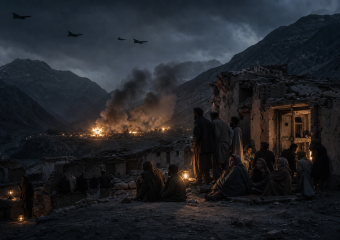
The humanitarian crisis in Gaza is becoming an increasingly critical point of contention. Images and reports from the region detail civilian casualties, deteriorating infrastructure, and shortages of basic necessities. These narratives resonate deeply within Western societies, generating empathy for the Palestinian plight. As reported by Sky News, warring narratives on social media, traditional media, and public protests increasingly highlight the human toll of conflict, leading to broader calls for accountability.
Human rights organizations have amplified these concerns, asserting that military actions often neglect humanitarian perspectives, thus influencing public sentiment in places like Europe and North America. This dynamic complicates Netanyahu’s position, prompting some supporters to reevaluate their long-standing allegiance amid growing calls for a balanced approach to the Israeli-Palestinian conflict.
The Dichotomy of Military Victory vs. Political Isolation
The juxtaposition of military success and dwindling political support exposes the dual challenges facing Netanyahu. While he may declare victory on the battlefield, the growing dissatisfaction among a vocal segment of his political base and international partners signifies a multifaceted crisis. Increasingly, governments in Europe and North America are expressing the need for a balanced resolution that addresses both security concerns and humanitarian issues.
The implications of this dichotomy extend beyond Netanyahu’s administration. They may influence the broader political landscape in Israel, encouraging a potential re-evaluation of leadership approaches to the conflict. Furthermore, Western leaders are faced with the challenge of maintaining diplomatic relationships while responding to their constituents’ calls for a more humane and just approach to the ongoing crisis.
Conclusion: Navigating Complexity in Middle Eastern Politics
The complexities of Netanyahu’s dual victories and failures encapsulate the broader challenges within Middle Eastern politics. The Israeli Prime Minister’s military strategy may solidify immediate power but also risks alienating allies who have been crucial to Israel’s diplomatic standing post-World War II. As public opinion shifts both domestically and internationally, Netanyahu will need to navigate this treacherous terrain with care, striving to balance military assertions with the need for a pragmatic, humane approach towards peace in a historically tumultuous region.
In synthesis, Netanyahu’s recent military exploits in Gaza might have temporarily bolstered his standing within Israel. However, this has come at the cost of his Western support—an essential element for any sustainable resolution to the ongoing Israeli-Palestinian conflict. As the situation continues to unfold, the potential for long-term ramifications is high, underscoring the intricacies and challenges that define this decades-long struggle.