Gaza School Year Begins, But Few Students Attend Classes
Gaza School Year Begins, But Few Students Attend Classes
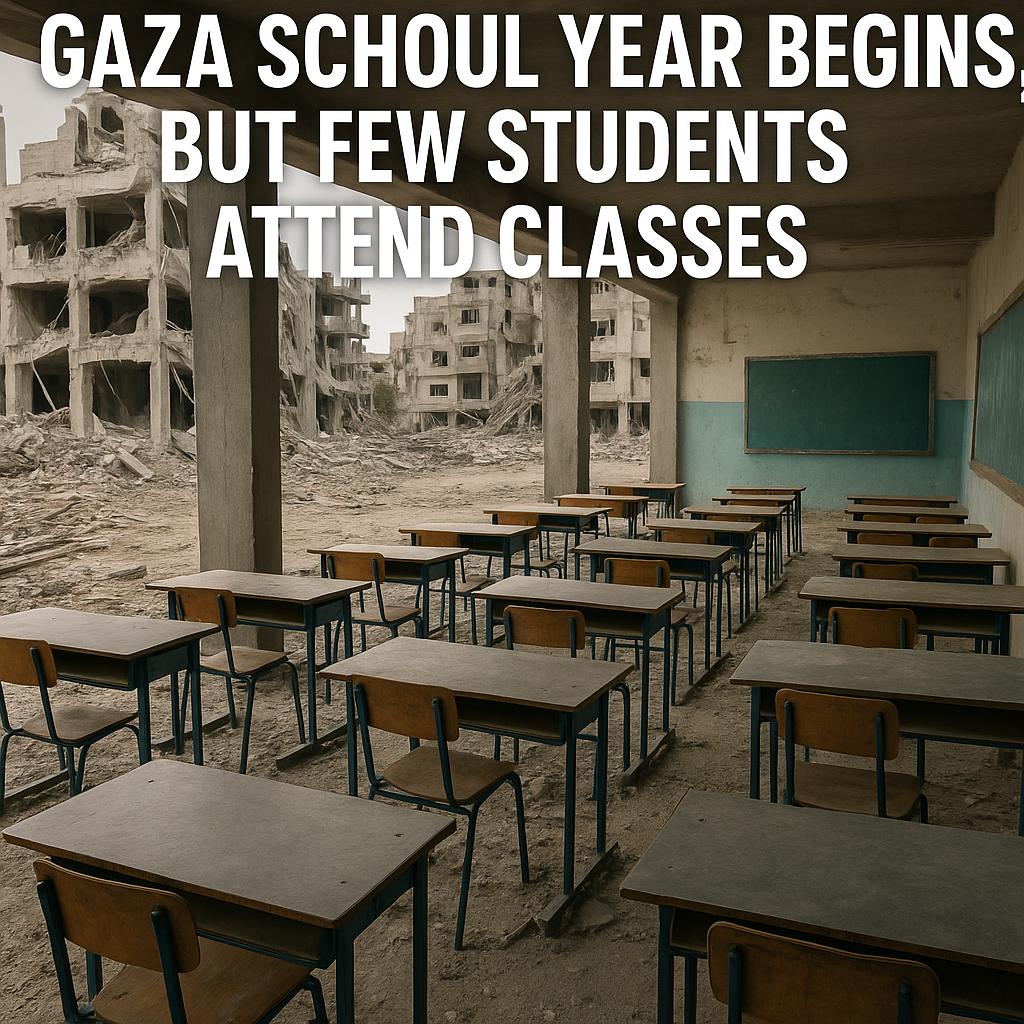
As the school year begins in Gaza, the stark reality is that fewer students are showing up for classes. The situation has reached a critical point, raising questions about the accessibility and sustainability of education in the region amidst ongoing socio-political turmoil.

The Current Landscape of Education in Gaza
The recent reports highlight a disheartening trend for educational institutions in Gaza. According to Al Jazeera, while the academic year officially commenced, many schools opened their doors with only a fraction of their students attending. The Voice of Palestine estimates that attendance has plummeted to around 30% in some areas due to a combination of fear, lack of resources, and ongoing military conflicts that have disrupted daily life.

The disruptions are not only a result of military actions but also stem from the severe economic hardships that the population faces. The unemployment rate in Gaza is staggering, hovering around 50%, which leaves families struggling to afford basic necessities, let alone school supplies or transportation fees. This economic strain results in many students being pulled from school to contribute to household income.

Additionally, psychological barriers play a significant role in deterring students from attending school. The continuous cycle of violence and trauma has left many children feeling unsafe or anxious about returning to a traditional classroom setting. Dr. Samira Abu Laila, a child psychologist in Gaza, points out that the “fear of bombardments and instability impacts not just attendance but overall mental health.”
The Role of Educational Institutions
Despite these challenges, educational leaders in Gaza remain resilient. Many schools have implemented initiatives to encourage attendance. For instance, local NGOs have begun programs providing psychological support to students. Furthermore, there are attempts to ensure that schools offer safe spaces where children can learn and heal simultaneously.
The United Nations Relief and Works Agency (UNRWA) has also played a crucial role, providing basic educational supplies and support to local schools. However, the effectiveness of these programs is slashed considerably by the ongoing blockade and funding cuts, leaving a gap in access to quality education.
In contrast to the grievances surrounding educational attendance, there exists a grassroots movement among parents and educators advocating for improved conditions within schools. Many believe that increasing community involvement can create a better environment for students to return. This is a vital step, as strong support systems can empower families and encourage children to pursue their education despite the backdrop of adversity.
A Community in Limbo: Future Prospects for Education
The future of education in Gaza remains uncertain. On one hand, the efforts of educational organizations and community members represent hope and resilience. On the other, the systemic issues—economic instability, political conflict, and trauma—pose significant hurdles that could further impede progress.
As conflicting narratives emerge from the local community and international observers, the overarching question remains: what will it take for Gaza’s education system to recover? Sky News echoes the sentiment that a comprehensive approach is required. They argue that it is essential not only to address immediate educational needs but also to work towards a broader peace in the region. Without stabilization, educational advancements might only be short-lived.
In summary, while the start of the school year in Gaza indicates a formal commitment to education, the realities on the ground paint a complex picture. With attendance rates dwindling and economic pressures mounting, stakeholders must consider how to balance the urgent needs of today with the aspirations for a stable and educated future. The stakes remain high—not just for Gaza’s children, but for the future of the region as a whole.
As the situation evolves, it is vital for local and international communities to lend their support, ensuring that the doors of education remain open for Gaza’s youth, who represent the potential for change amidst ongoing challenges.