
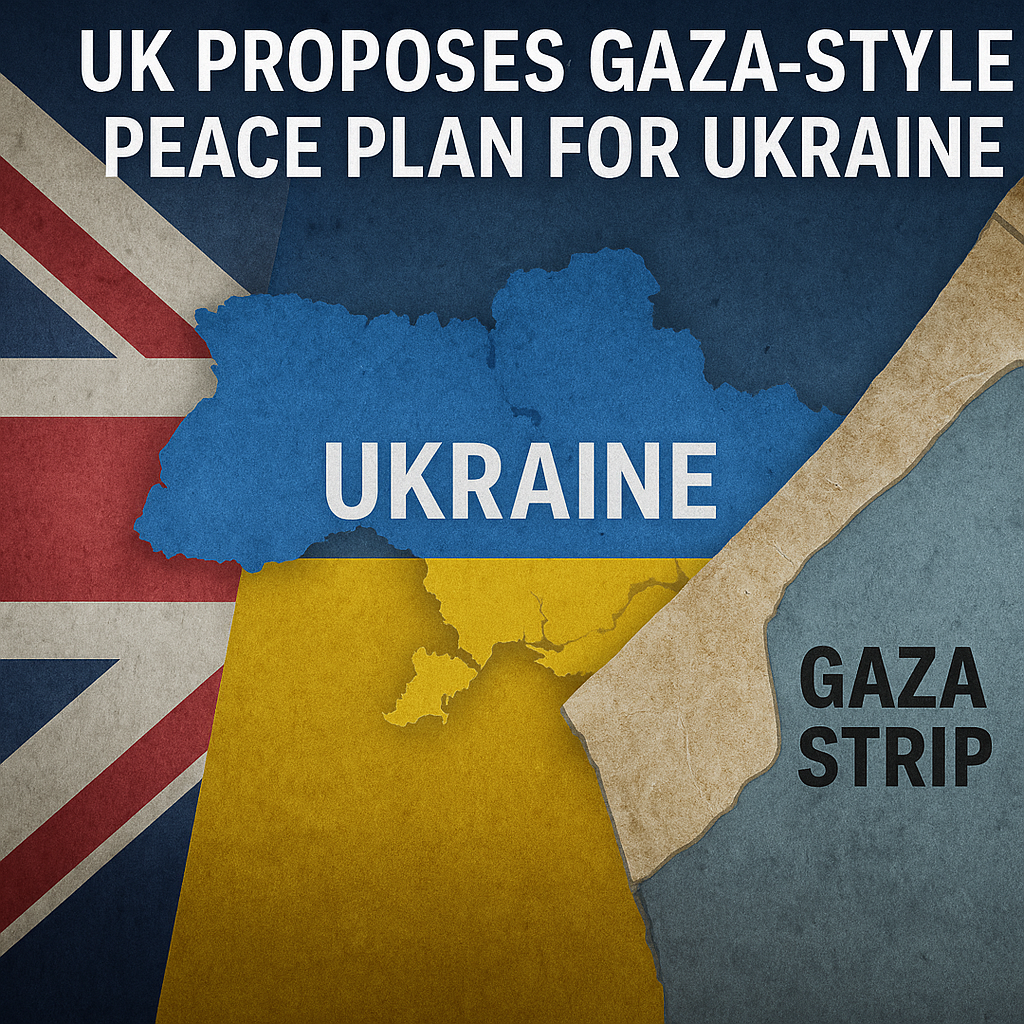
UK Proposes Gaza-Style Peace Plan for Ukraine
UK Proposes Gaza-Style Peace Plan for Ukraine
The UK has recently proposed a peace plan for Ukraine that bears similarities to strategies employed in the Gaza Strip. This initiative aims to foster dialogue and reconciliation amid ongoing conflict, signaling a shift in how international actors perceive and engage with the Ukrainian crisis. The complexities involved in this peace plan are vast, drawing attention from diverse sources and eliciting varied reactions.

The Framework of the Proposed Plan
The proposed peace plan resembles tactics used in the Gaza Strip, emphasizing a balancing act between military considerations and humanitarian concerns. The UK’s approach hinges on several key elements:

– Ceasefire and Dialogue: Central to the proposal is an immediate ceasefire followed by sustained dialogue between Ukraine and Russian representatives. This echoes past negotiations aimed at resolving the Gaza conflict, where ceasefire agreements often preceded political discussions.

– Humanitarian Assistance: Similar to humanitarian corridors established in conflict areas like Gaza, this plan advocates for organized aid deliveries to affected populations. The emphasis here is on alleviating suffering and addressing immediate needs, which is a step toward rebuilding trust among communities.
– International Oversight: The plan suggests involvement from international bodies, including the UN, to monitor the ceasefire and facilitate negotiations. This is consistent with previous peace initiatives where international supervision was deemed necessary to ensure compliance and foster accountability.
This framework is a response to ongoing violence in Ukraine, where civilian casualties have been alarming. Advocates of the plan argue that it offers a realistic pathway to de-escalation and ultimately paves the way for a more sustainable resolution.
Divided Opinions: Support and Criticism
While some quarters welcome the initiative, others express skepticism regarding its feasibility and effectiveness.
Support for the Plan
Proponents argue that the plan would provide an essential groundwork for peace talks, emphasizing the need for a diversified approach to addressing the Ukraine crisis. Officials who favor the proposal highlight the importance of incorporating humanitarian considerations directly into the peace process. These advocates suggest that by focusing on immediate civilian needs, the plan could foster goodwill that may lead to a broader political treaty.
Furthermore, supporters from various humanitarian organizations assert that a Gaza-like peace model could inspire confidence in affected communities, motivating them to participate in the peace process. The recent history of Gaza suggests that engagement from international communities can be a stabilizing force, even if complications are inevitable.
Criticism of the Plan
Conversely, critics argue that mirroring a model from a different conflict, such as Gaza, is a misguided approach. They point to the unique and intricate dynamics present in Ukraine and assert that peace strategies cannot be unilaterally transferred from one situation to another. One significant concern is whether Russia would adhere to a ceasefire agreement. Historical precedents indicate that breaches of agreements could undermine the credibility of the plan.
Moreover, some analysts contend that focusing on temporary ceasefires without addressing underlying territorial disputes may serve only to prolong the conflict. These skeptics argue that any effective peace initiative should also include long-term strategies that facilitate territorial integrity and reconciliation.
Navigating the Complexity of Peace Initiatives
Given the polarized opinions regarding the UK’s Gaza-style peace proposal for Ukraine, navigating this complex landscape requires careful consideration. While the desire for peace is universal, the divergence in thought highlights the challenges involved in conflict resolution.
As discussions progress, it will be vital for the international community to assess the practical implications of the proposal. Should the plan move forward, a structured, transparent process will be critical to its success.
Ultimately, the proposed plan illuminates not only the aspirations of stakeholders seeking peace but also the significant hurdles that must be navigated for genuine dialogue to occur. The situation remains fluid, and many uncertainties linger around the feasibility of such a peace initiative. Engaging multiple perspectives will be essential for fostering a comprehensive understanding of how best to achieve stability in Ukraine, amid a landscape marred by conflict and humanitarian crisis.
In summation, while the UK’s peace proposal draws from past models of conflict resolution, it must be tailored to the unique circumstances of the Ukrainian crisis. Only through collaborative dialogue and a nuanced approach can a pathway to lasting peace emerge.















