
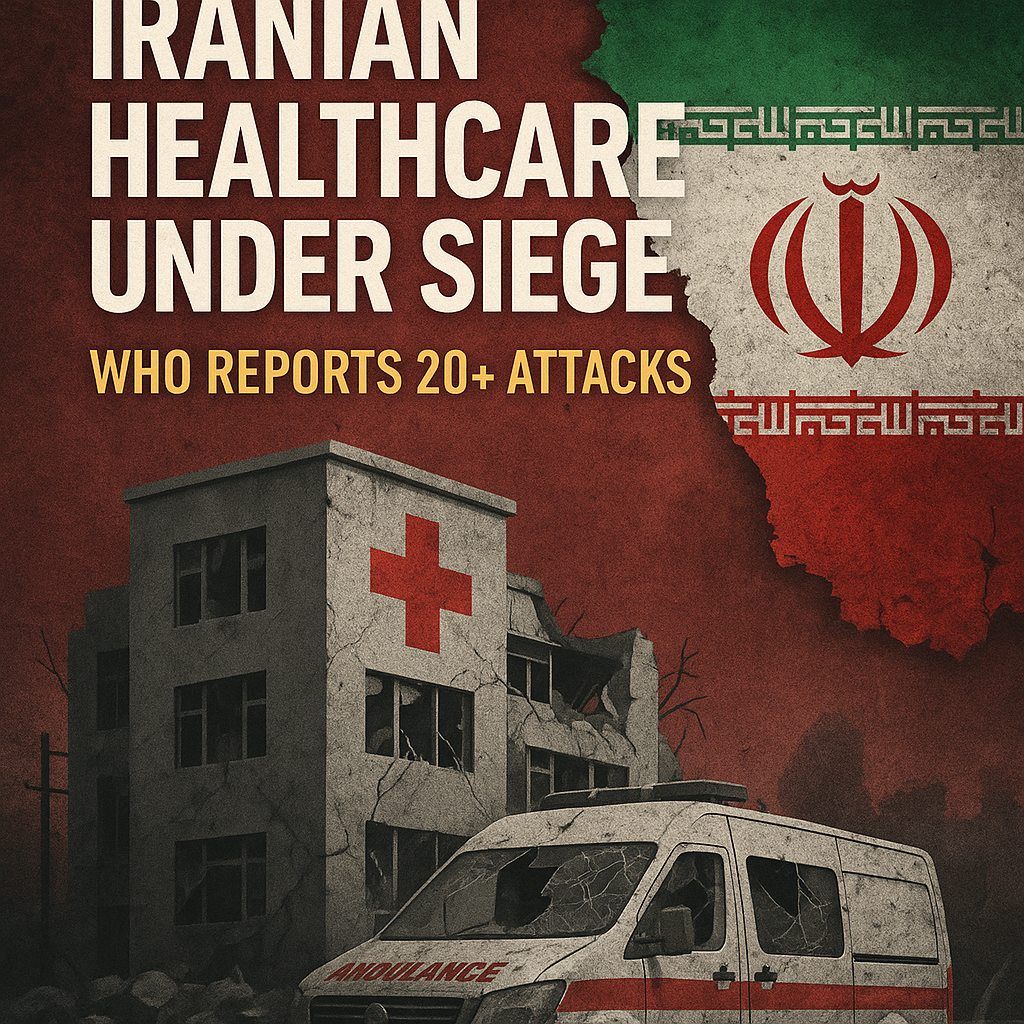
Iranian Healthcare Under Siege: WHO Reports 20+ Attacks
Iranian Healthcare Under Siege: WHO Reports 20+ Attacks
The safeguarding of healthcare facilities in conflict zones is a critical issue, as evidenced by recent reports detailing over 20 attacks on Iranian healthcare facilities since March 1, according to the World Health Organization (WHO). These assaults have raised profound concerns about the stability of healthcare in Iran, where myriad internal and external pressures have exacerbated an already fragile system.

The Context of Violence
The WHO’s alarming report highlights an unsettling trend: attacks targeting medical infrastructure during conflict have become increasingly frequent. In Iran, this violence occurs amidst a backdrop of political unrest and ongoing regional tensions, particularly related to broader geopolitical struggles. Such an environment raises substantial doubts about the safety and functionality of essential healthcare services.

According to Al Jazeera, the WHO’s reports indicate that these attacks have not only harmed patients and medical staff but also substantially impeded the ability of healthcare providers to deliver necessary medical services. Significantly, many of these assaults are reported to be a result of political strife emanating from both domestic factions and international relations.

The Iranian government’s challenges in maintaining public health and safety are compounded by ongoing sanctions and a struggling economy, which limit the availability of medical supplies and appropriate healthcare funding. This precarious situation has led many healthcare professionals to voice concerns over the impact of violence on their ability to care for patients effectively.
Diverse Responses to Healthcare Attacks
Responses to the WHO’s assessment of violence against healthcare in Iran reveal a spectrum of sentiments. On one hand, Iranian authorities have denounced these attacks, asserting that they violate international humanitarian laws that protect medical facilities during conflicts. They appeal to the international community to take action and highlight that, amid these assaults, the already limited access to healthcare has been further exacerbated.
Conversely, some voices in the international sphere point to these attacks as symptomatic of larger structural issues in Iran, including state repression and civilian vulnerability. RT News has reported that this situation has led to a call for accountability for those responsible for such violations of human rights. Critics argue that the deterioration of healthcare infrastructure cannot solely be attributed to external conflicts, but also to systemic challenges within the country’s governance and resource allocation.
These contrasting perspectives underscore the complexity of the issue—while many call for immediate action to protect healthcare workers and institutions, others emphasize the need for broader reforms within Iran’s governance and healthcare strategy. Each perspective sheds light on pressing human rights concerns and the fundamental need for coherent, durable solutions.
The Path Forward
In light of this situation, the question remains: how can the healthcare system in Iran navigate such adversities? Analysts argue that the answer lies not just in addressing immediate security concerns but also in establishing resilient healthcare policies to withstand political upheaval.
1. International Collaboration: Strengthening partnerships with international health organizations may provide critical support in terms of both resources and strategic advisory on healthcare governance.
2. Domestic Reforms: Implementing transparent policies and engaging in constructive dialogue with healthcare professionals can help to reform the struggling healthcare system, ensuring that vulnerable populations receive adequate attention and care.
3. Advocacy for Human Rights: Elevating the narrative surrounding healthcare access to highlight the experiences of victims of violence can build public pressure locally and internationally to uphold human rights standards.
Overall, while healthcare facilities in Iran are indeed facing serious threats from violence, the path forward must involve a multifaceted approach that considers both immediate safety and long-term healthcare sustainability. It’s crucial for stakeholders both within Iran and abroad to unite in advocating for improved conditions for healthcare professionals and patients alike.
As tensions continue to mount, the exploitation of healthcare as a battleground in Iran presents a sobering reminder of the global challenges in safeguarding human rights and health—a challenge that calls for urgent and cooperative responses from the international community.















