
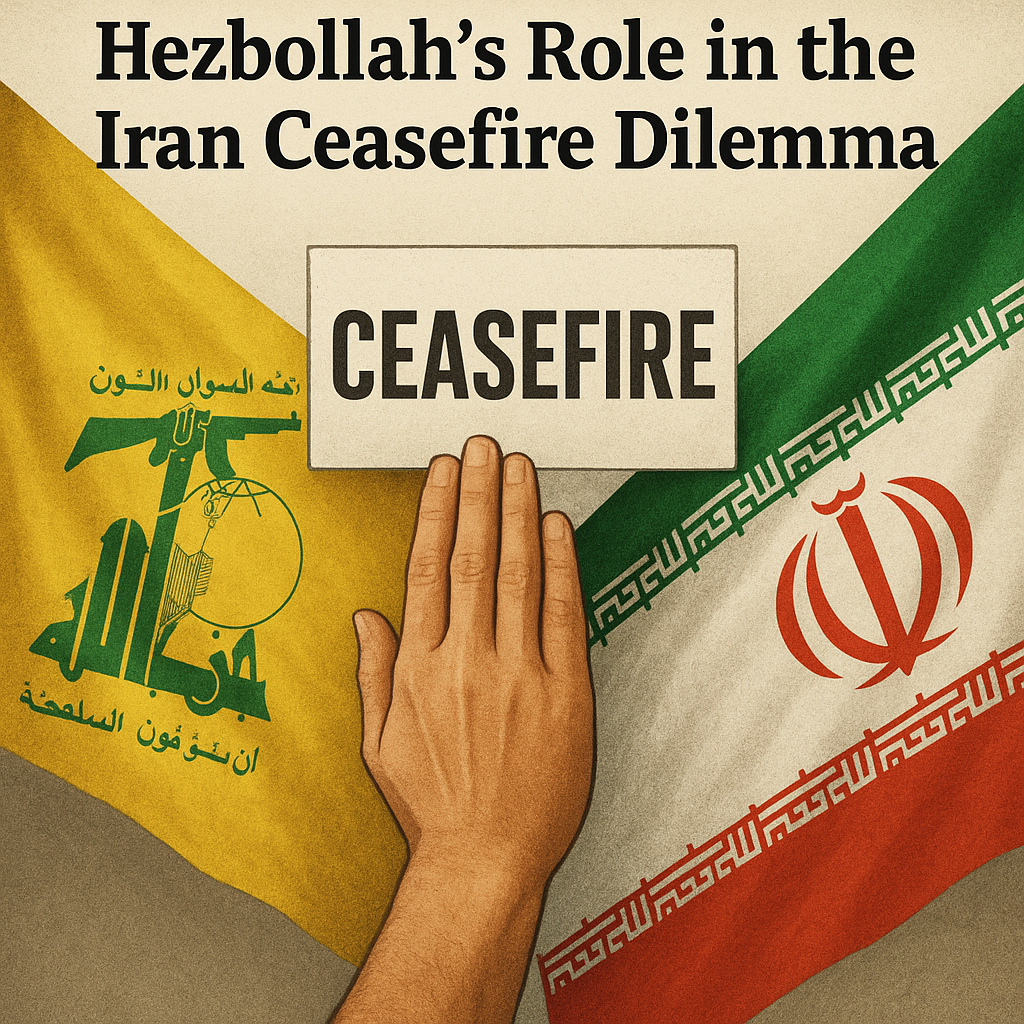
Hezbollah’s Role in the Iran Ceasefire Dilemma
Hezbollah’s Role in the Iran Ceasefire Dilemma
In the ongoing discussions surrounding the Iran ceasefire dilemma, Hezbollah’s involvement emerges as a critical sticking point. This complex situation reveals not only the intricacies of Middle Eastern geopolitics but also the varying perspectives of international stakeholders. Understanding Hezbollah’s role requires an exploration of various opinions, both supportive and critical, which illuminate its implications for regional stability.

The Strategic Significance of Hezbollah
Hezbollah, a Lebanese militant group and political party, has historically aligned itself with Iran, both ideologically and militarily. This alliance is rooted in shared interests, particularly in countering Western influence in the region. As Iran faces increasing pressure from global powers for its nuclear program and its role in regional conflicts, Hezbollah’s backing has become increasingly vital for Tehran’s strategic objectives.

Various reports indicate that Hezbollah’s military capabilities could pose both a deterrent and a destabilizing factor in Lebanon and neighboring countries. In an analysis by Al Jazeera, experts argue that Hezbollah’s involvement in Syria’s civil war, for instance, effectively serves Iran’s interests by maintaining a foothold near Israel’s borders. This military collaboration underscores how Hezbollah acts as a proxy for Iranian aspirations, complicating ceasefire negotiations.

However, not everyone views Hezbollah’s role through a solely negative lens. Supporters argue that the group has emerged as a defender against both Israeli aggression and Sunni extremist groups like ISIS. For many in Lebanon, Hezbollah’s military prowess is perceived as a protective force. This dual perception complicates any potential ceasefire talks, as Hezbollah is seen by some as crucial to maintaining a balance of power in the region, even as its involvement raises the prospect of further conflict.
Diverging Perspectives on Ceasefire Outcomes
The international response to Hezbollah’s role in the Iran ceasefire dilemma varies significantly. On one side, some Western analysts and policymakers view Hezbollah’s presence in negotiations as a major obstacle. They argue that as long as the group continues to receive military support from Iran, any ceasefire established will be fragile and prone to collapse. This perspective, often echoed in mainstream media, suggests that until Hezbollah is demilitarized, achieving a long-lasting peace is nearly impossible.
Conversely, other stakeholders—including various regional powers—see the situation differently. They argue that sidelining Hezbollah from the negotiation table could exacerbate tensions and lead to a breakdown of dialogue. These proponents advocate for including all relevant parties to foster a more comprehensive understanding of the complexities involved.
A report by RT emphasizes that alienating Hezbollah could lead to further violence, as the group may interpret exclusion as a threat to its legitimacy. This firm stance points to a broader conflict, stressing the need for a negotiating framework that recognizes Hezbollah’s influence while still holding it accountable for its actions.
Navigating a Path Forward
As discussions around the Iran ceasefire evolve, the challenge remains: how to engage with Hezbollah in a way that promotes stability while addressing regional security concerns. The duality of Hezbollah’s role—as both a protector and a potential aggressor—has created a conundrum that requires nuanced diplomacy.
To move forward, several key steps could be explored:
1. Inclusive Dialogues: Engaging Hezbollah in talks may help to diffuse tensions and center the focus on peace. Open channels of communication could lead to increased understanding and less hostilities.
2. Balanced Pressure: While holding Hezbollah accountable for its actions, the global community must also pressure Iran to restrain its military support for the group. This balanced approach could create an environment conducive to a meaningful ceasefire.
3. Regional Partnerships: Building a framework of cooperation among regional actors could help address the insecurities that fuel Hezbollah’s militarization. Strengthening ties through economic and infrastructural development may provide alternatives to militancy.
These strategies highlight the delicate balance necessary in addressing the multifaceted role Hezbollah plays in the Iran ceasefire dilemma. Although a consensus remains elusive, acknowledging the complexities at play is essential for any sustainable resolution.
Conclusion: A Complex Landscape
In conclusion, Hezbollah’s role in the Iran ceasefire dilemma is marked by contrasting perspectives that illuminate the broader dynamics of Middle Eastern politics. As a group that is simultaneously a source of stability and a potential instigator of conflict, its involvement complicates peace negotiations. The need for inclusive dialogues and balanced pressures reflects the nuances required to navigate this challenging landscape. Although uncertainties remain, a clear understanding of Hezbollah’s significance can foster a more informed and balanced approach to achieving lasting peace in the region.















