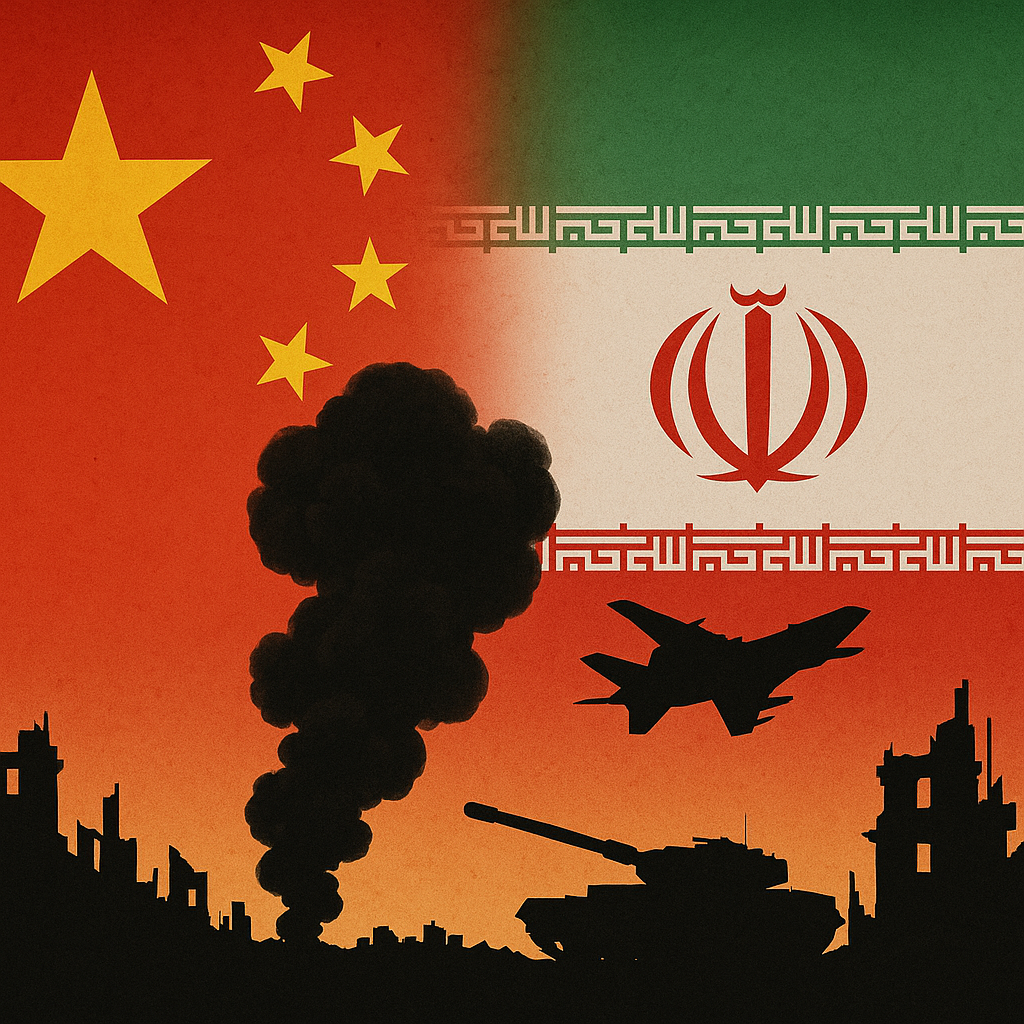
China’s Role in the Iran War: Impacts and Implications
China’s Role in the Iran War: Impacts and Implications
China’s increasing involvement in the Iran War showcases a strategic pivot that could reshape Middle Eastern geopolitics. The complexities of this situation are deeply rooted in historical alliances, economic interests, and the regional power dynamics that are unfolding.

Understanding China’s Strategic Interests in Iran
China’s relationship with Iran has evolved significantly over the past few decades, driven primarily by energy security and regional influence. With Iran being one of the world’s top oil producers, China has a vested interest in ensuring a steady supply of energy to fuel its expanding economy. As noted in various reports, China accounts for approximately 30% of Iran’s oil exports, making it a critical partner for the Iranian economy, particularly amidst sanctions imposed by Western nations.

In addition to energy, China’s strategic interests extend to military cooperation and infrastructure development. The recent embrace of the “Belt and Road Initiative” between Beijing and Tehran aligns with China’s ambition to expand its influence across Asia and the Middle East. Reports indicate that this partnership includes significant investments in Iranian infrastructure projects, which not only bolster Iran’s economy but also enhance China’s access to trade routes.

This growing relationship is twofold, as it also serves as a counterbalance to U.S. presence in the region. China’s overt support for Iran reflects a broader strategy to challenge American hegemony while establishing itself as a formidable regional player.
Diverse Perspectives on China’s Involvement
Opinions on China’s role in the Iran War diverge widely. Supporters argue that China’s partnership with Iran acts as a stabilizing force for the region, as it provides Iran with much-needed economic support during challenging times. This perspective is fortified by the assertion that increased financing from China could empower Iran to engage more peacefully in the geopolitical landscape.
Conversely, critics caution that China’s involvement may exacerbate tensions. Some analysts fear that bolstering Iran with military and economic support could provoke further hostilities with Western nations, particularly the U.S. and its allies. A report from Al Jazeera highlighted that the provision of advanced military technology to Iran might embolden Tehran’s stance in regional conflicts, which could lead to a more volatile environment.
The Broader Implications for the Middle East
The repercussions of China’s growing influence in Iran ripple through the broader Middle Eastern region. For neighboring nations, particularly those allied with the West, the deepening Sino-Iranian ties present a challenge. The fear of a more emboldened Iran raises questions about stability among Gulf nations who have historically viewed Iran as a rival.
Moreover, the shifting balance could compel these countries to seek closer ties with the United States or even consider new alliances. The ongoing tensions between Iran and its neighbors, such as Saudi Arabia and the UAE, may require these nations to reassess their strategic approaches, potentially leading to an arms buildup and increased military readiness.
China’s position also raises further complications concerning the global oil market. As China continues to import Iranian oil, it could face backlash from the U.S., which has enforced strict sanctions against Iran. This dynamic might set the stage for economic tensions that extend beyond just the Middle East, having ramifications on global energy prices and trade agreements.
Conclusion: A Balancing Act
China’s role in the Iran War presents a multifaceted interplay of economic interests, military relationships, and regional stability. While its growing partnership with Iran could serve as a source of economic empowerment for the Iranian state, it also poses significant risks that could destabilize not only Middle Eastern geopolitics but global relations more broadly.
The path forward remains uncertain, as various stakeholders navigate the complex web of alliances and rivalries. As China’s influence grows, so too will the need for nuanced diplomacy aimed at maintaining a fragile balance in an ever-evolving landscape. The implications of China’s involvement in Iranian affairs are profound and multifarious, requiring continual assessment as the situation unfolds.