
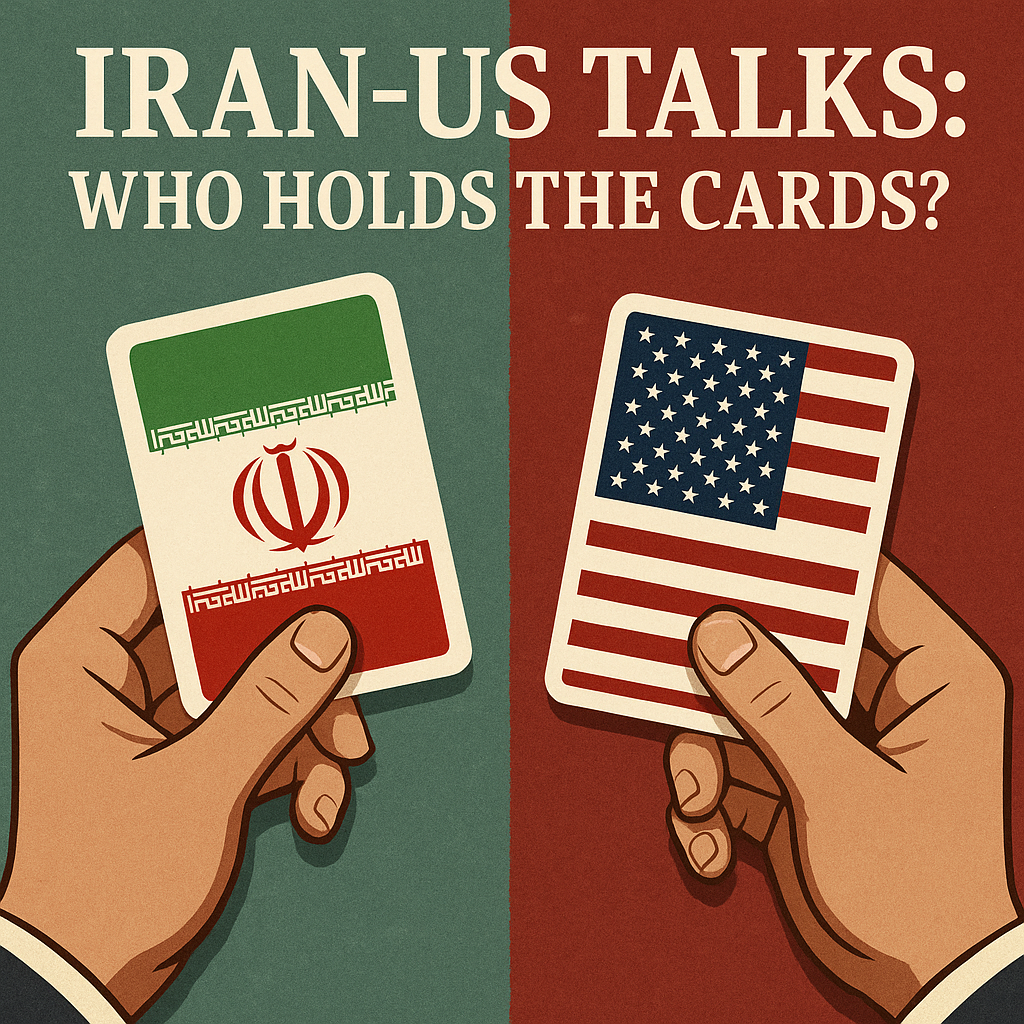
Iran-US Talks: Who Holds the Cards?
Iran-US Talks: Who Holds the Cards?
The ongoing negotiations between Iran and the United States have sparked intense debate regarding which side possesses the upper hand in the dialogue. As tensions have ebbed and flowed over the years, understanding dynamics of these talks is crucial in analyzing the future of diplomatic relations in a volatile region.

Historical Context: A Game of Chess
The backdrop of the Iran-US negotiations is steeped in decades of historical animosity. Following the 1979 Iranian Revolution, the two nations have traded barbs for over four decades, with pivotal issues such as Iran’s nuclear program and its regional activities being points of contention.

When former President Donald Trump exited the Joint Comprehensive Plan of Action (JCPOA) in 2018, it effectively ratcheted up tensions, resulting in a renewed cycle of sanctions against Iran. This withdrawal shifted the landscape, prompting various nations, including those in the European Union, to advocate for reinstating some form of agreement. Today, as the Biden administration seeks to revive discussions, the primary question persists: who truly holds the cards in these negotiations?

Current Landscape and Diverging Perspectives
The US Position: A Fragile Balance
The United States brings a significant military and economic advantage to the table, tempered by a desire for stability in the Middle East. Recent reports indicate that Washington is open to potential compromises, such as easing sanctions in exchange for Iran’s commitment to curtail its nuclear activities. However, this is not without its challenges. Domestic pressure from Congress and allies, particularly Israel and Gulf states, could influence the Biden administration’s willingness to make concessions.
Al Jazeera notes that the U.S. faces a dilemma: balancing the need for regional stability with its commitments to allies who remain skeptical about Tehran’s intentions. What complicates matters further is the internal division among Iranian factions. While some aim for rapprochement with the West, others advocate for a more confrontational stance.
Iran’s Strategy: Navigating Internal Divisions
On the Iranian side, the landscape is equally complex. The recent protests within the country have highlighted a populace fatigued by economic woes exacerbated by sanctions. Iran seeks to amplify its bargaining power through various strategies, including maintaining a robust nuclear program and leveraging its influence over regional proxies like Hezbollah and Shiite militias in Iraq.
At the same time, Iran’s leadership faces criticism for its handling of the economy and international isolation. A report from RT highlights the duality in Iran’s approach: while they assert their readiness to negotiate, they also emphasize a perception of strength that might be perceived by their opponents as overconfidence.
Who Really Holds the Cards?
Assessing Power Dynamics
In evaluating who currently holds the cards, it’s not merely a matter of military or economic dominance. Rather, it hinges on influence, perception, and strategic patience.
– For the U.S.:
– Strengths: Military presence, economic sanctions, global alliances.
– Weaknesses: Domestic political pressures and the wariness of allies regarding any rapprochement with Iran.
– For Iran:
– Strengths: Control of regional networks and leveraging cultural and religious affiliations.
– Weaknesses: Economic instability and internal dissent reducing negotiating leverage.
The consensus drawn from multiple sources suggests that both Iran and the U.S. possess capabilities that can sway negotiations, but neither side holds an overwhelming advantage.
Areas of Uncertainty
Despite articulating their respective positions, many uncertainties remain. The lack of clear communication channels between the two nations has further clouded the prospects of fruitful negotiations. Areas that warrant scrutiny include:
– The extent to which either nation is prepared to compromise on key issues like nuclear capabilities.
– The influence of external players, such as China and Russia, who may have vested interests in the outcome of these talks, potentially undermining U.S. leverage.
– Domestic factors that may affect the negotiating position: Iran’s economic distress versus the U.S. political landscape leading into the 2024 election.
Conclusion: An Ongoing Dialogue
As of now, the question of who holds the cards in the Iran-U.S. talks remains open-ended. While both sides have their strengths, the interplay of diplomacy, regional politics, and internal pressures complicate the landscape. A balanced understanding highlights that the path forward will require mutual flexibility and a comprehensive approach to resolve long-standing issues.
Ultimately, the stakes are high, not just for Iran and the U.S., but for regional stability and global security. Whether through diplomacy or conflict, the outcome of these discussions will undoubtedly shape the geopolitical fabric of the Middle East for years to come.















