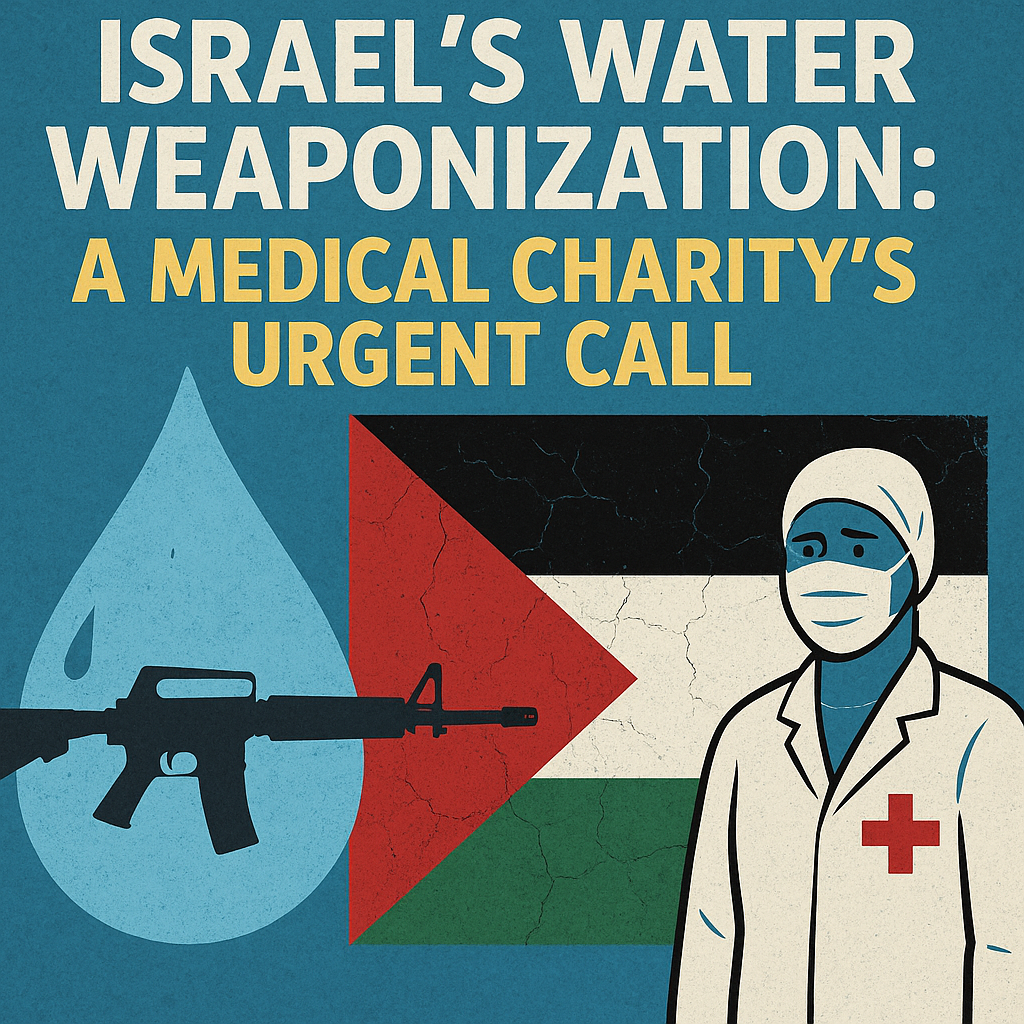
Israel’s Water Weaponization: A Medical Charity’s Urgent Call
Israel’s Water Weaponization: A Medical Charity’s Urgent Call
The issue of water access as a weapon in conflict has gained urgent attention in recent weeks, particularly regarding Israel’s operations in Gaza. Medical humanitarian organization Médecins Sans Frontières (MSF) has recently raised alarms about the dire water situation in the besieged enclave. This article delves into the complexities of water as a strategic resource in conflict zones, focusing on different views surrounding this contentious issue.

Historical Context and Current Crisis
The Israeli-Palestinian conflict spans decades, with various factors contributing to its longevity. One pressing issue is the inequality in resource distribution, particularly water. According to MSF, the Israeli military’s control over water resources in Gaza has exacerbated the existing crisis, impacting public health and basic human rights. In their recent reports, the organization has highlighted incidents where access to clean water has allegedly been deliberately obstructed.

The humanitarian situation has reached a critical juncture where access to essential needs like potable water and sanitation is severely compromised. Al Jazeera mentions that in Gaza, of the 2 million residents, about 1.2 million are at risk of waterborne diseases due to contamination and scarcity of safe drinking water. Reports have noted that during military operations, water pipes and wells have been intentionally damaged, leading to an acute lack of access for civilians.

Diverse Perspectives on Water Weaponization
Views on Israel’s actions vary widely and emphasize different aspects of the conflict. Some sources argue that the water crisis represents a tactical weapon employed strategically in warfare. They cite international law, which prohibits the use of environmental destruction to harm a target’s ability to survive. MSF has publicly condemned the situation as a potential violation of these laws, emphasizing that limiting access to water contravenes humanitarian principles.
Conversely, other narratives point towards a complex mix of governance, environmental factors, and military necessity that cannot be solely attributed to intentional weaponization. According to reports from Sky News, the Israeli government contends that the crisis results from Hamas’ control and interference with infrastructure development in Gaza. They assert that ongoing rocket fire from the enclave complicates their ability to maintain water infrastructure and supply effectively.
This divergence in perspectives highlights an essential consideration: the challenges of attributing responsibility in a multifaceted conflict. Some experts suggest a closer look at various factors, including mismanagement of resources by the local authority and the historical neglect of infrastructure.
The Humanitarian Consequences
The impact of water scarcity extends far beyond immediate health concerns, touching various aspects of life in Gaza. Without adequate water supplies, sanitation deteriorates, which leads to increased rates of disease and adds unforeseen pressure to an already strained healthcare system. MSF has been vocal about the urgent need for international humanitarian intervention to address these issues effectively.
Moreover, public health experts have warned that the health crisis could escalate, leading to catastrophic outcomes not just for Gaza but potentially for the broader region. International organizations have called for an immediate cease of hostilities not only to ensure safety but to manage the humanitarian crisis effectively. Calls for diplomatic solutions echo throughout various platforms, showcasing that an end to violence is vital for restoring any semblance of normalcy to the daily lives of residents in Gaza.
While some discussions lean heavily on the humanitarian implications of water access, others emphasize finding a solution that addresses the geopolitical dimensions. Various news outlets have pointed out that sustainable water management and sharing might hold potential as a path to peace, suggesting that collaboration over shared resources could serve as a foundation for dialogue.
A Call to Action
In light of these developments, the urgency of addressing water access in conflict zones is more apparent than ever. As MSF continues to advocate for humanitarian ceasefires to facilitate aid access, it’s clear that the issue transcends simple narratives of right versus wrong—it encapsulates a broader humanitarian crisis requiring concerted global attention.
In conclusion, the discussions surrounding Israel’s alleged weaponization of water in Gaza represent a complex intersection of human rights, military strategy, and historical grievances. While MSF’s urgent call for action underscores the dire nature of the situation, the varied perspectives also reflect a deeper, more nuanced understanding of the factors at play. Whether through humanitarian intervention, diplomatic dialogue, or sustainable resource management, the need for actionable solutions remains critical in addressing the urgent humanitarian crisis in Gaza.
As the situation continues to develop, it is imperative to remain informed and engaged with these critical issues, reflecting the complexity of the humanitarian landscape. Understanding and addressing the nuances can lead to more meaningful discussions and ultimately, more effective solutions.