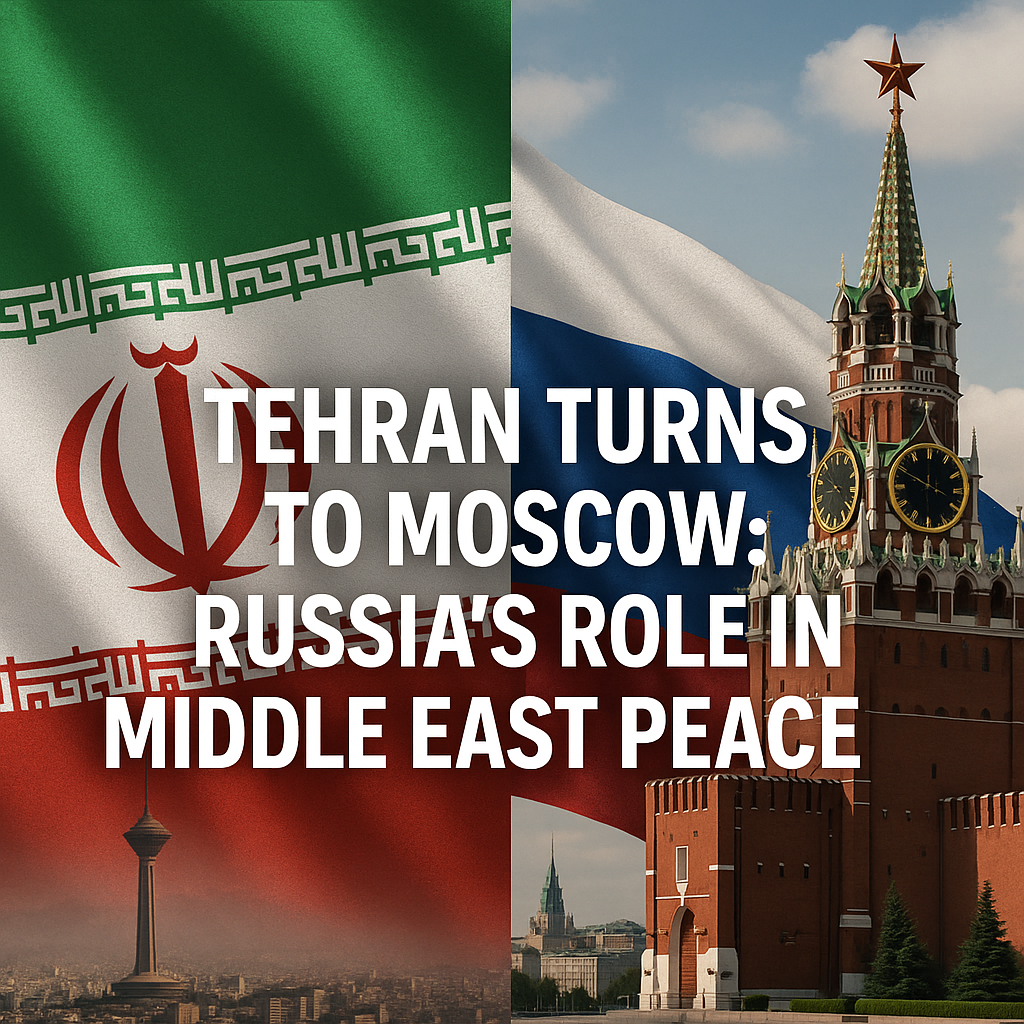
Tehran Turns to Moscow: Russia’s Role in Middle East Peace
Tehran Turns to Moscow: Russia’s Role in Middle East Peace
As Tehran seeks to strengthen its geopolitical stance, its relationship with Moscow has emerged as a focal point for potential peace in the Middle East. In recent years, Iran has increasingly leaned on Russia for diplomatic support, military cooperation, and energy partnerships. This shift signifies not only Iran’s strategic pivot but also highlights the complex dynamics at play in the region.

The Iranian-Russian Partnership: A Strategic Alliance
Iran’s collaboration with Russia has deepened in the wake of international sanctions and regional conflicts. Both nations find themselves at odds with Western powers, making Moscow a more attractive ally for Tehran. Recent reports suggest that discussions around military cooperation have intensified, with joint projects focusing on defense technology and intelligence sharing gaining momentum.

According to a report from RT, Iranian officials have emphasized that their relationship with Russia is crucial for regional stability. Tehran views Moscow as a crucial partner in opposing U.S.-led initiatives in the region, most notably in Syria and Iraq. Key points include:

– Military Collaboration: Iran has expressed interest in enhancing its defense capabilities through Russian technology, particularly in missile systems.
– Energy Partnerships: Both nations are exploring further cooperation in energy sectors, potentially opposing Western influence in markets.
– Political Maneuvering: The Iran-Russia alliance appears coherent as they both support the Assad regime in Syria and maintain a shared opposition to U.S. foreign policy in the region.
Diverse Perspectives on Peace
While the growing partnership between Tehran and Moscow ostensibly aims at fostering stability, opinions differ on the potential for genuine peace in the Middle East. Al Jazeera provides insights into how this alliance is perceived across the region.
1. Supportive Voices: Proponents argue that the Iranian-Russian axis could offer a counterbalance to U.S. dominance, paving the way for a multipolar world. Observers note that if effectively managed, collaboration between these nations could neutralize sectarian tensions and promote regional dialogue.
2. Skeptical Perspectives: Conversely, critics warn that this alliance could exacerbate existing conflicts rather than resolve them. The Syrian civil war serves as a prime example, where the Iran-Russia alignment has led to a complex and often violent interplay of interests that has buried prospects for peace. Some regional analysts believe that a reliance on Russia may limit Iran’s willingness to engage constructively with other Middle Eastern nations, especially Sunni-majority states.
The Quest for a Stable Region: Challenges Ahead
Despite the hope that Tehran turning to Moscow could signal a new chapter for Middle Eastern peace, several challenges stand in the way of achieving lasting stability.
– Syria as a Flashpoint: The ongoing conflict in Syria highlights the complexities involved. Iran and Russia’s interests in sustaining the Assad regime starkly contrast with other nations hoping for a different governance model in the country. This divergence complicates peace negotiations and poses a risk of escalating hostilities.
– Broader Geopolitical Tensions: The involvement of global powers such as the U.S. and its allies adds layers of complications. The Biden administration’s policies, particularly regarding sanctions and military presence, factor heavily into Iranian calculations. Tehran’s increased military cooperation with Moscow may be viewed unfavorably in Washington, leading to a cycle of heightened tension.
– Regional Relationships: Iran’s alignment with Russia could create friction with neighboring countries. Gulf states, for instance, are wary of Tehran’s expanding military capabilities, pushing them to seek closer ties with the U.S. for security guarantees. The complexity of regional allegiances further complicates any substantive peace efforts.
Conclusion: A Fragile Balance
In summary, while Tehran’s burgeoning relationship with Moscow holds promise for a recalibrated framework for peace in the Middle East, the pathway is fraught with challenges. The coalition’s ability to transcend self-serving ambitions in favor of broader regional stability remains to be seen. Any dialogue for peace will require not just a concerted effort between Iran and Russia, but also an inclusive approach that engages diverse stakeholders in the region.
Thus, the future of peace in this historically tumultuous area continues to hang delicately in the balance, with Tehran’s turn toward Moscow characterized by both potential alliance and inherent risks. The outcome will depend on diplomatic maneuvering, regional dynamics, and responses from global powers entrenched in Middle Eastern geopolitics.