
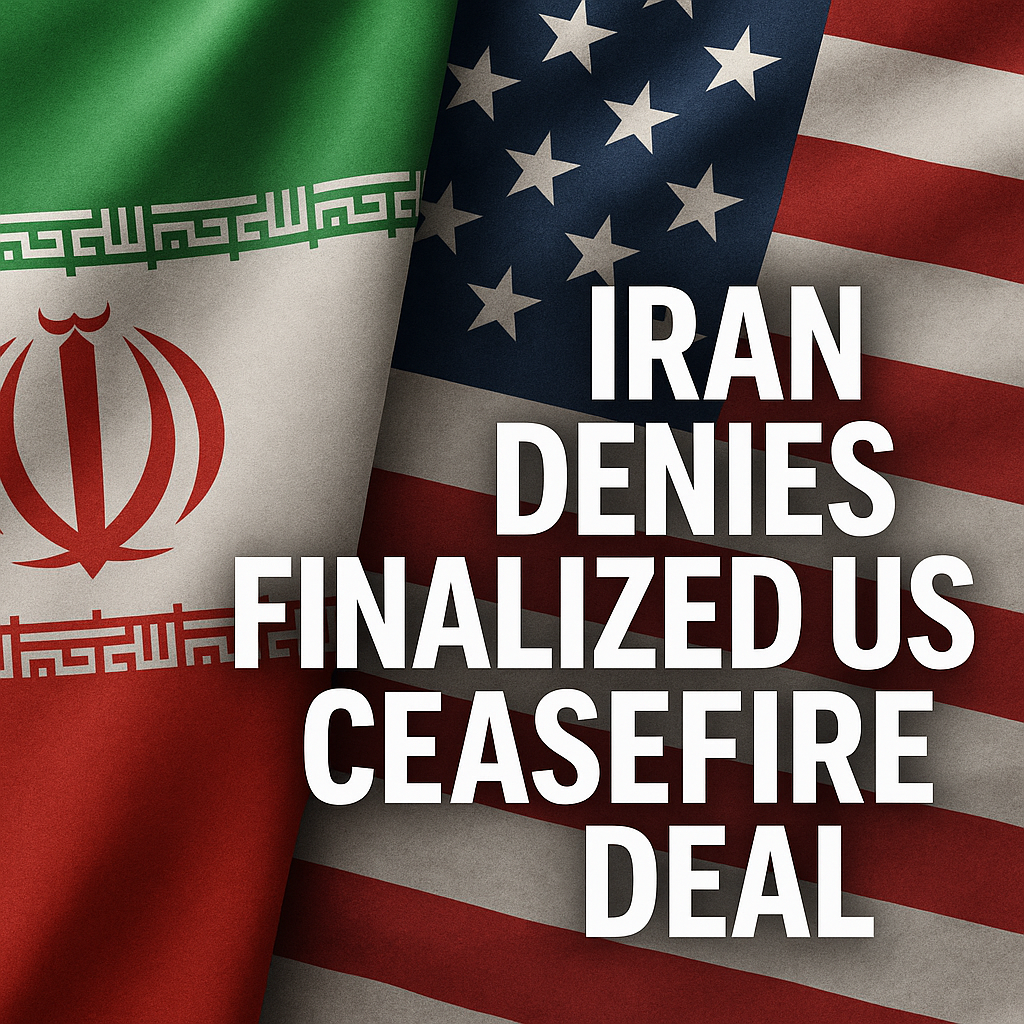
Iran Denies Finalized US Ceasefire Deal
Iran Denies Finalized US Ceasefire Deal
Recent tensions in the Middle East have escalated discussions surrounding a potential ceasefire agreement between Iran and the United States. Amidst these developments, Iranian officials have firmly denied reports suggesting that a finalized ceasefire deal has been reached. This assertion highlights the complexities surrounding diplomatic efforts in a region marked by longstanding conflicts and diverse geopolitical interests.

The Context of the Denial
The backdrop to Iran’s denial involves ongoing hostilities, particularly in relation to US-Iranian engagements in Iraq and Syria. Reports from various news outlets, including Al Jazeera, indicated that talks aimed at establishing a ceasefire may have been progressing. However, Iranian Foreign Ministry spokesman Nasser Kanaani was quoted stating, “No agreement has been finalized, and the negotiations are still ongoing.” This has left observers questioning the veracity of reports suggesting a breakthrough in diplomacy.

Several geopolitical analysts point to the delicate balance of power in the region, suggesting that both nations have significant motivations to engage in dialogue. For the United States, easing tensions could facilitate a more stable environment for its allies in the region, particularly Israel and Saudi Arabia, while for Iran, it may mean a reduction in sanctions pressure and an opportunity to elevate its regional influence.

Moreover, the Iranian presidency has emphasized the necessity of a comprehensive dialogue that addresses all underlying issues rather than a piecemeal approach. This sentiment underscores Iran’s strategic preference for discussions that better secure its interests and sovereignty.
Diverse Perspectives on the Situation
While Iranian officials remain skeptical about the pace and substance of negotiations, various international commentators offer differing viewpoints on the implications of these talks. Supporters of the ceasefire framework argue that even discussions of a ceasefire could signal an important step toward de-escalation. This perspective posits that any form of communication opens the door to potential resolutions, provided both parties display political will.
Conversely, critics assert that Iran’s denial indicates either a tactical maneuver to maintain domestic political stability or a broader distrust of US intentions. Reports from RT highlight concerns among Iranian hardliners who are wary of negotiations that they believe could undermine the nation’s influence and regional strategies. This dichotomy reflects a nuanced engagement in Iran, where various political factions may leverage negotiations according to their internal agendas.
Implications for Regional Stability
The repercussions of Iran’s position on a potential ceasefire extend beyond the US-Iran relationship. Neighboring countries, such as Iraq, which has been a theater for proxy conflicts, express concern regarding how these negotiations may impact their own stability and security. Throughout this dynamic environment, the positions of various stakeholders in the region may shift depending on the perceived outcomes of US-Iran talks.
In addition, this situation draws attention to the influence of international actors. European nations, alongside Russia and China, have shown increased interest in mediating between Tehran and Washington. The divergent strategies of these global powers speak to their own stakes in the region and suggest that a multifaceted diplomatic approach may be necessary.
Conclusion
Iran’s denial of a finalized ceasefire deal with the United States illustrates the layered complexities of diplomacy in the Middle East. As both nations navigate their national interests amid pressure from local and global stakeholders, the path forward remains tentative at best. While some believe that dialogue could pave the way for de-escalation, others remain skeptical about the potential for genuine progress.
The current situation leaves open questions about the future of US-Iran relations and broader regional peace. As developments unfold, observers will continue to monitor both the sentiment in Tehran and the actions taken by Washington, mindful that in geopolitics, perceptions and statements often bear as much weight as any agreement.















