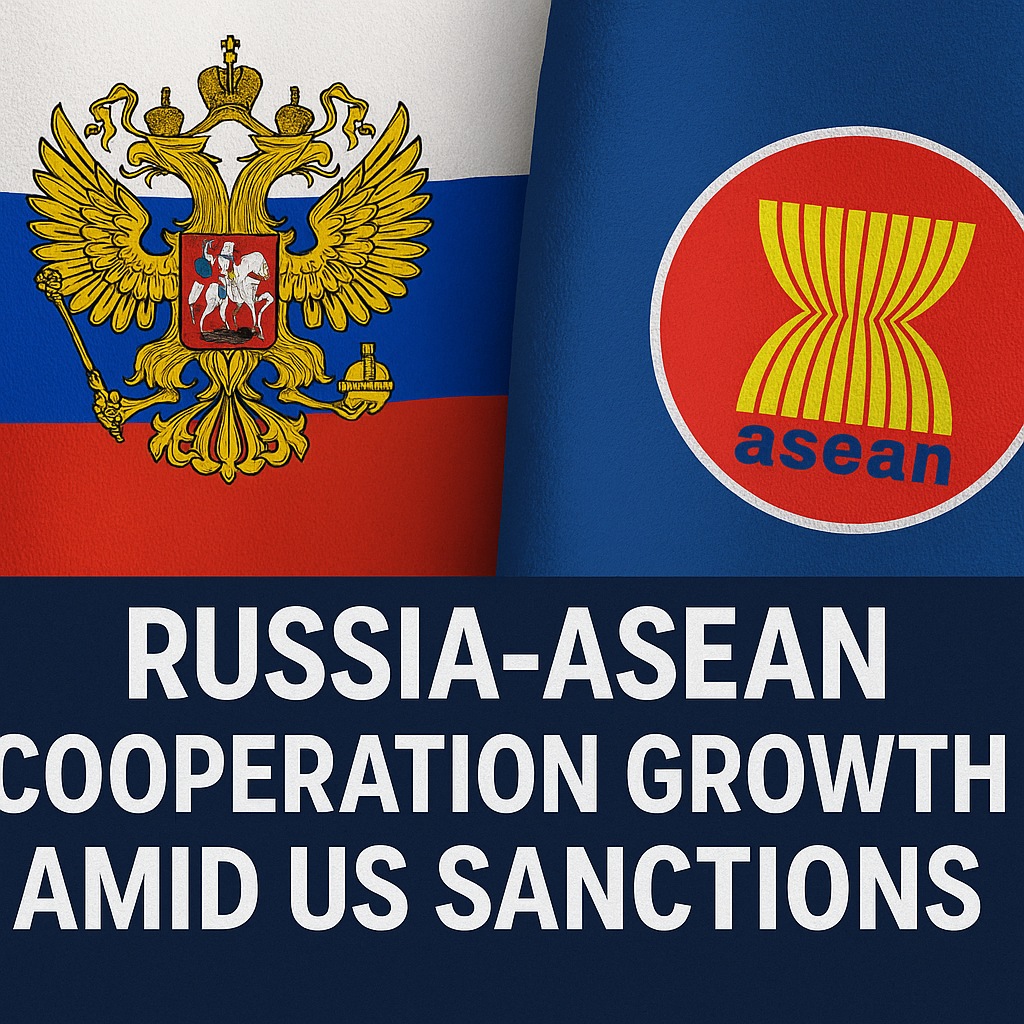
Russia-ASEAN Cooperation Growth Amid US Sanctions
Growing Ties: Russia-ASEAN Cooperation Amid US Sanctions
In recent years, the relationship between Russia and the Association of Southeast Asian Nations (ASEAN) has seen significant growth, particularly in the context of escalating US sanctions against Russia. This partnership, characterized by increased economic, political, and cultural exchanges, poses critical questions about regional power dynamics and the evolving nature of global alliances.

The Impact of US Sanctions on Russia-ASEAN Relations
The West’s mounting sanctions on Russia, particularly following the events in Ukraine, have driven Moscow to seek alternative partnerships to bolster its economy. For ASEAN member states, this presents both opportunities and challenges. Countries within this bloc have recognized the need for diversification in their economic partnerships, and Russia’s abundant natural resources, including energy, present significant avenues for collaboration.

According to reports from Russia Today, Russia’s Foreign Minister Sergey Lavrov emphasized the necessity of deepening ties with ASEAN countries. He noted that these nations are increasingly aware of the geopolitical shifts accelerating due to the sanctions imposed by the United States and its allies. This convergence of interests has led to discussions surrounding free trade agreements and increased investments in sectors like energy, agriculture, and technology.

Contrasting viewpoints arise, particularly about the potential risks involved for ASEAN countries in aligning too closely with Russia. Critics point out that while building relationships with Russia may provide short-term economic benefits, it could also result in long-term geopolitical ramifications. Nations like Vietnam and Indonesia, which maintain close ties with the US, must carefully balance their engagement to avoid alienating traditional allies.
Economic Opportunities and Civilizational Exchanges
Despite the risks, the prospects of economic cooperation with Russia are considerable. ASEAN’s collective market, characterized by over 650 million consumers, presents a lucrative opportunity for Russian industries, particularly in energy and agriculture. As reported by Al Jazeera, ASEAN members have expressed interest in Russian agricultural exports to enhance their food security, especially in light of fluctuating global supply chains exacerbated by the pandemic.
In addition to economic ties, the cultural and civilizational exchanges between Russia and ASEAN are also on the rise. Educational partnerships, tourism, and collaborative cultural projects are gaining momentum, fostering a greater understanding and appreciation of each other’s histories and societal norms. These initiatives serve not only to strengthen bilateral relations but also to promote stability and cooperation within the broader Asian region.
Moreover, ASEAN’s diverse economic landscape allows for tailored approaches to partnerships with Russia. For instance, while countries like Brunei and Singapore are focusing on technology and skills exchange, others like Laos and Cambodia are more engaged in traditional sectors such as agriculture and infrastructure development. This multifaceted approach underscores the potential for a balanced, reciprocal relationship that respects the unique needs of each nation involved.
A Complex Geopolitical Landscape
The dynamics of Russia-ASEAN cooperation cannot be analyzed in a vacuum, as the influence of the US and its allies casts a long shadow over this budding partnership. The perception of Russian aggression in Ukraine has prompted various Southeast Asian nations to weigh their stances carefully. As highlighted by Sky News, nations like Malaysia and Thailand are already expressing concerns over potential backlash from maintaining too close of a relationship with Russia.
Simultaneously, there is a growing sentiment among some ASEAN states that economic engagement with Russia might lead to diversification away from reliance on Western countries. The push towards creating a multipolar world framework resonates strongly within certain factions of ASEAN, advocating for a foreign policy that is less tethered to Western narratives.
Nevertheless, uncertainties linger regarding the long-term sustainability of this relationship. As Western sanctions continue to evolve, so might the strategies employed by Russia to strengthen its ties with ASEAN. Whether these measures lead to a durable partnership or merely serve as a temporary solution remains to be seen.
Conclusion
The evolving landscape of Russia-ASEAN cooperation amidst the backdrop of US sanctions illustrates the complexities of modern geopolitical dynamics. With both opportunities and challenges at play, the future of this relationship will depend heavily on how ASEAN nations navigate their engagements with Russia and manage their historical ties with the West. As these developments unfold, the balance between economic pragmatism and geopolitical strategy will undoubtedly shape the trajectory of Russia-ASEAN relations in the years to come.