The Last Meatpacker: How NYC’s Gritty District Became Chic
The Last Meatpacker: How NYC’s Gritty District Became Chic
Introduction
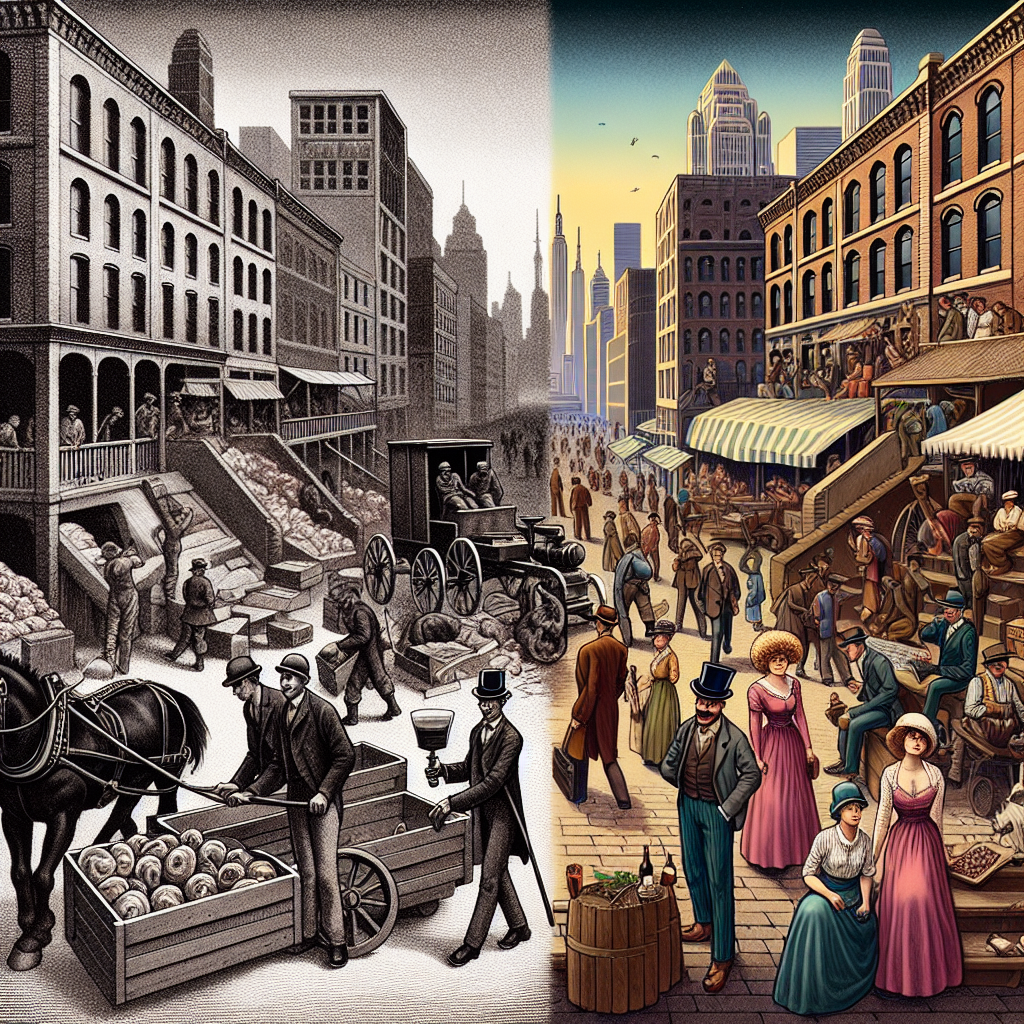
New York City’s Meatpacking District, once a hub of industrial activity, has undergone a dramatic transformation. This article explores the evolution of the area from a gritty, industrial zone to a chic, upscale neighborhood.

The Industrial Past
Originally, the Meatpacking District was known for its bustling meatpacking plants and warehouses. It was characterized by:

- Heavy industrial activity
- Rough, gritty streets
- A reputation for being a working-class area
The Transformation
Over the years, the district has seen significant changes, driven by various factors:

- Urban renewal projects
- Increased interest from developers and investors
- The influx of high-end retail and dining establishments
The Chic Present
Today, the Meatpacking District is a vibrant, trendy neighborhood known for:
- Luxury boutiques and designer stores
- Upscale restaurants and nightlife
- Art galleries and cultural spaces
Key Insights
The transformation of the Meatpacking District highlights several key insights:
- The power of urban redevelopment in reshaping city landscapes
- The role of cultural and economic shifts in driving neighborhood change
- The balance between preserving historical character and embracing modernity
Conclusion
The story of the Meatpacking District is a testament to the dynamic nature of urban environments. From its gritty industrial roots to its current status as a chic destination, the district exemplifies how cities can evolve and adapt over time, blending history with modernity to create vibrant, thriving communities.