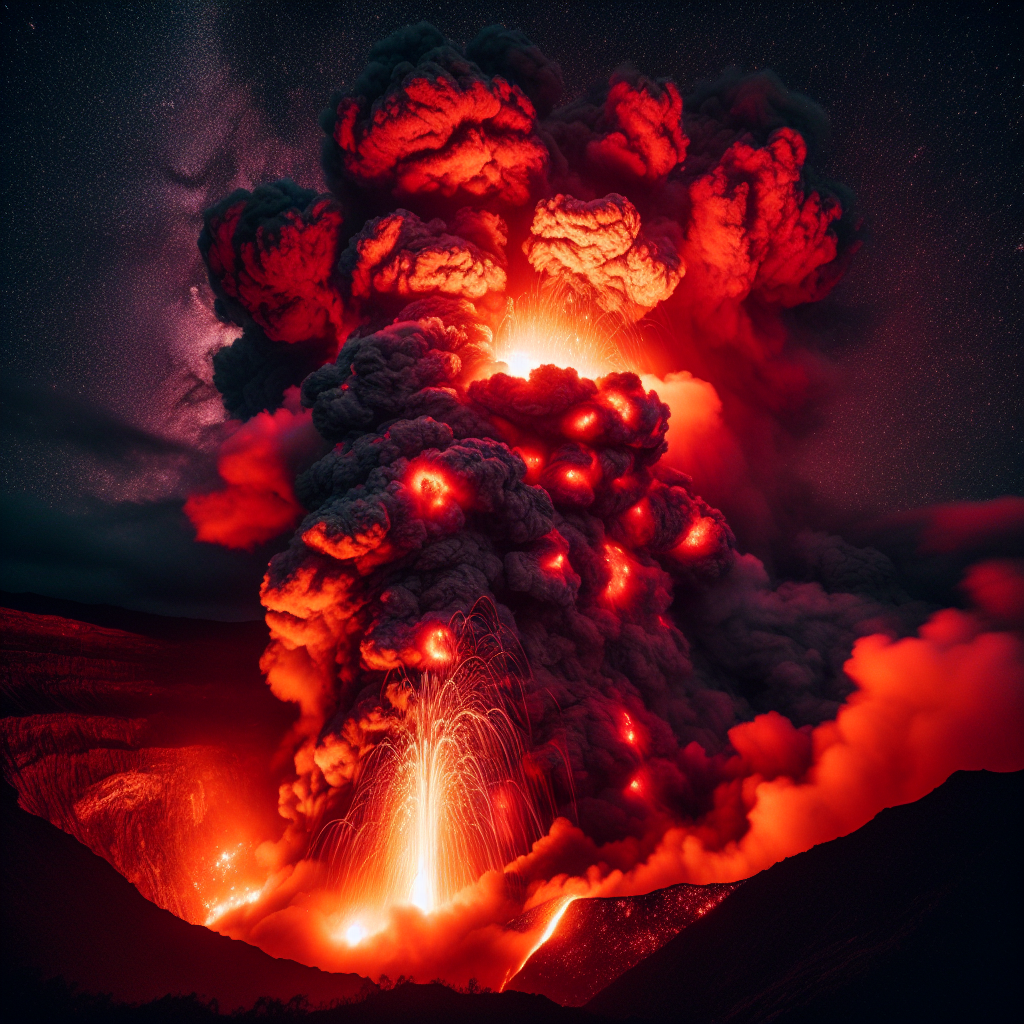
Hawaii’s Kilauea Volcano Erupts Once More
Hawaii’s Kilauea Volcano Erupts Once More
Overview of the Eruption
Hawaii’s Kilauea Volcano, one of the most active volcanoes in the world, has erupted again, captivating both scientists and the public. This latest eruption adds to Kilauea’s long history of volcanic activity, which has shaped the landscape and culture of Hawaii.

Key Details of the Eruption
- Location: The eruption is centered at the Halemaʻumaʻu crater within the Kilauea caldera.
- Start Date: The volcanic activity began on [insert date], following a period of increased seismic activity.
- Lava Flow: Lava fountains and flows have been observed, with molten rock cascading down the crater walls.
- Impact: The eruption has led to the closure of certain areas within Hawaii Volcanoes National Park for safety reasons.
Scientific Significance
The eruption provides a unique opportunity for scientists to study volcanic processes and monitor changes in the Earth’s crust. Researchers are particularly interested in:

- Understanding the dynamics of magma movement beneath the surface.
- Analyzing gas emissions to assess potential impacts on air quality.
- Monitoring seismic activity to predict future eruptions.
Public Safety and Response
Authorities have issued advisories to ensure public safety, emphasizing the importance of staying informed and adhering to park closures. Key measures include:

- Regular updates from the Hawaiian Volcano Observatory.
- Evacuation plans for nearby communities if necessary.
- Guidelines for tourists and residents to avoid hazardous areas.
Conclusion
The latest eruption of Kilauea Volcano is a reminder of the dynamic nature of our planet. While it poses challenges, it also offers valuable insights into volcanic activity. As scientists continue to study this event, the public is urged to stay informed and prioritize safety.