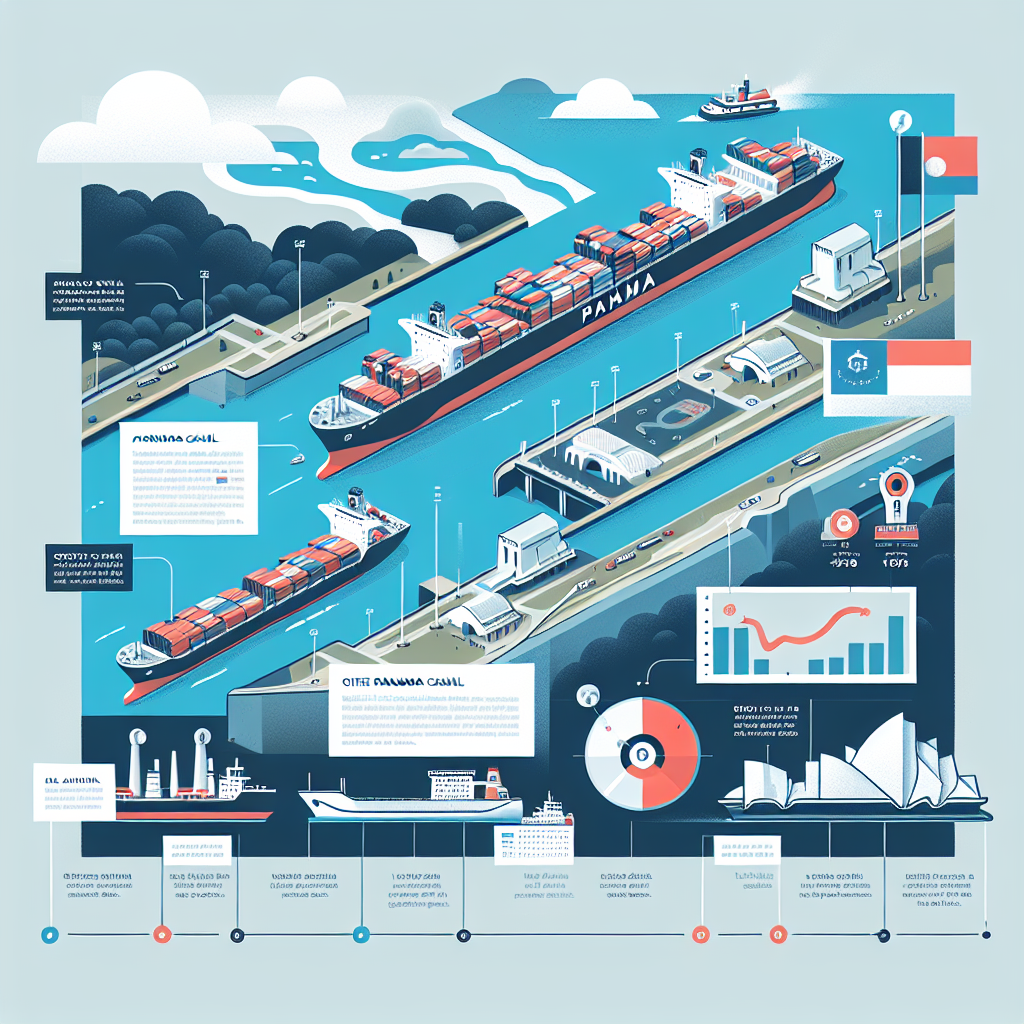
Key Facts About the Panama Canal
Key Facts About the Panama Canal
An Engineering Marvel
The Panama Canal stands as a testament to human ingenuity and engineering prowess. Connecting the Atlantic and Pacific Oceans, this artificial waterway revolutionized global trade and maritime navigation.

Historical Significance
Since its completion in 1914, the Panama Canal has played a pivotal role in international shipping and commerce. Its construction was a monumental task that involved overcoming numerous challenges, including harsh terrain and tropical diseases.

Strategic Importance
The canal significantly reduces travel time for ships, eliminating the need for the lengthy and perilous journey around the southern tip of South America. This strategic shortcut has made it a crucial asset in global logistics.

Key Features
- Length: Approximately 50 miles (80 kilometers).
- Locks: The canal features a series of locks that raise and lower ships, allowing them to traverse the varying elevations.
- Expansion: The canal underwent a major expansion in 2016, allowing it to accommodate larger vessels known as “New Panamax” ships.
Economic Impact
The Panama Canal is a vital economic artery, facilitating the movement of goods between continents. It generates significant revenue for Panama and supports global trade by reducing shipping costs and time.
Environmental Considerations
While the canal is an economic boon, it also poses environmental challenges. Efforts are ongoing to balance its operation with ecological preservation, ensuring sustainable use of this critical waterway.
Conclusion
The Panama Canal remains a cornerstone of global maritime trade, celebrated for its engineering brilliance and strategic value. Its continued operation and expansion underscore its enduring importance in connecting the world’s economies.