
How Insects Survive the Winter Months
How Insects Survive the Winter Months
Introduction to Insect Winter Survival
As temperatures drop, insects employ a variety of strategies to endure the harsh winter months. These tiny creatures have evolved remarkable adaptations to ensure their survival until spring. Understanding these strategies provides insight into the resilience and adaptability of insects.

Key Survival Strategies
Insects utilize several methods to cope with the cold, each tailored to their specific needs and environments.

- Migration: Some insects, like the monarch butterfly, migrate to warmer climates to escape the cold.
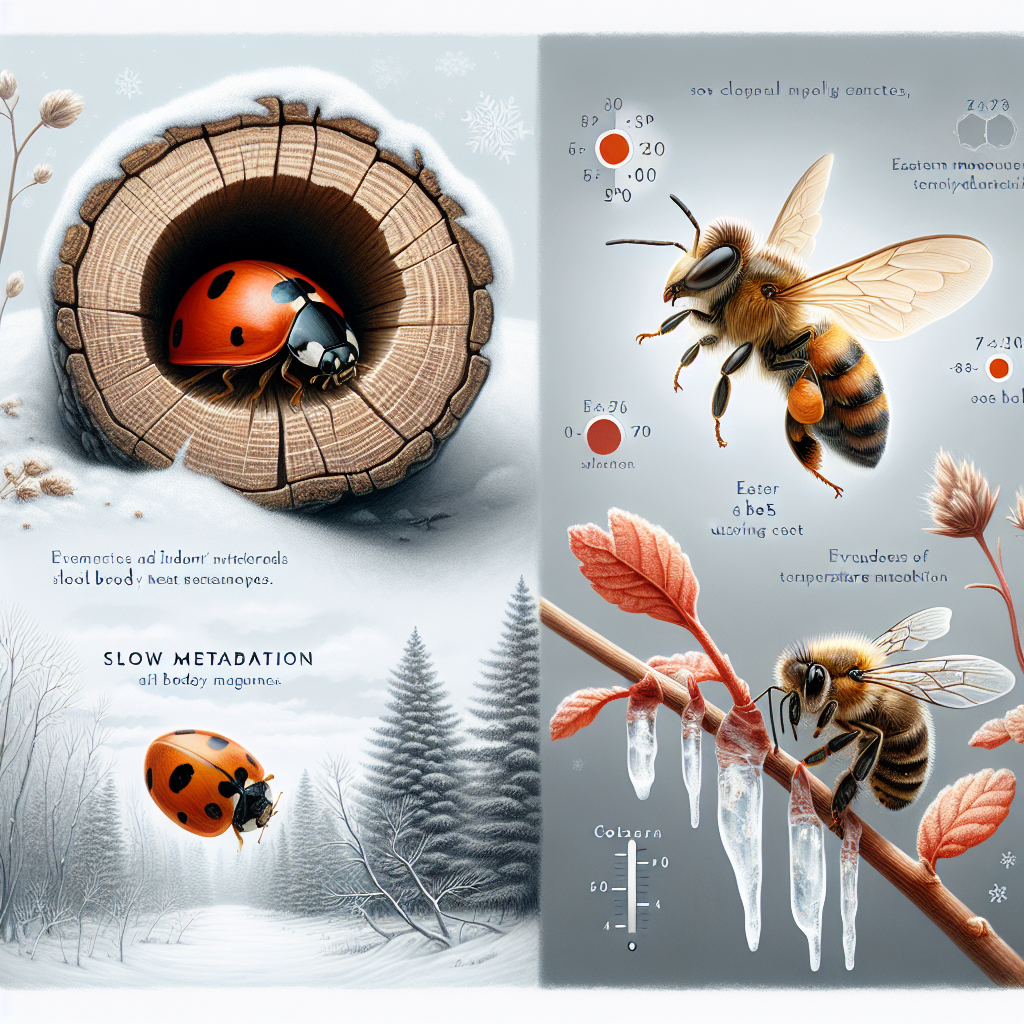
- Hibernation: Many insects enter a state of dormancy, known as diapause, where their metabolic rate significantly decreases.
- Antifreeze Proteins: Certain insects produce proteins that prevent ice formation in their bodies, allowing them to survive freezing temperatures.
- Microhabitats: Insects often seek shelter in protected environments such as under bark, in soil, or within leaf litter to avoid the cold.
Adaptations for Cold Resistance
Insects have developed unique physiological adaptations to withstand winter conditions.

- Supercooling: By lowering the freezing point of their bodily fluids, insects can avoid ice crystal formation.
- Glycerol Production: Some insects produce glycerol, a natural antifreeze, to protect their cells from freezing.
- Thickened Exoskeletons: A thicker exoskeleton can provide additional insulation against the cold.
Conclusion
Insects exhibit a fascinating array of strategies to survive the winter months, from migration and hibernation to biochemical adaptations. These survival mechanisms highlight the incredible resilience of insects and their ability to thrive in diverse environments. Understanding these strategies not only sheds light on insect biology but also underscores the importance of preserving their habitats to maintain ecological balance.













