
Ancient Mummy’s Bubonic Plague DNA Rewrites Black Death History
Ancient Mummy’s Bubonic Plague DNA Rewrites Black Death History
Introduction
Recent scientific discoveries have unveiled groundbreaking insights into the history of the Black Death, thanks to the analysis of DNA from an ancient mummy. This revelation challenges previous understandings of the bubonic plague’s origins and spread, offering a fresh perspective on one of history’s most devastating pandemics.

Key Discoveries
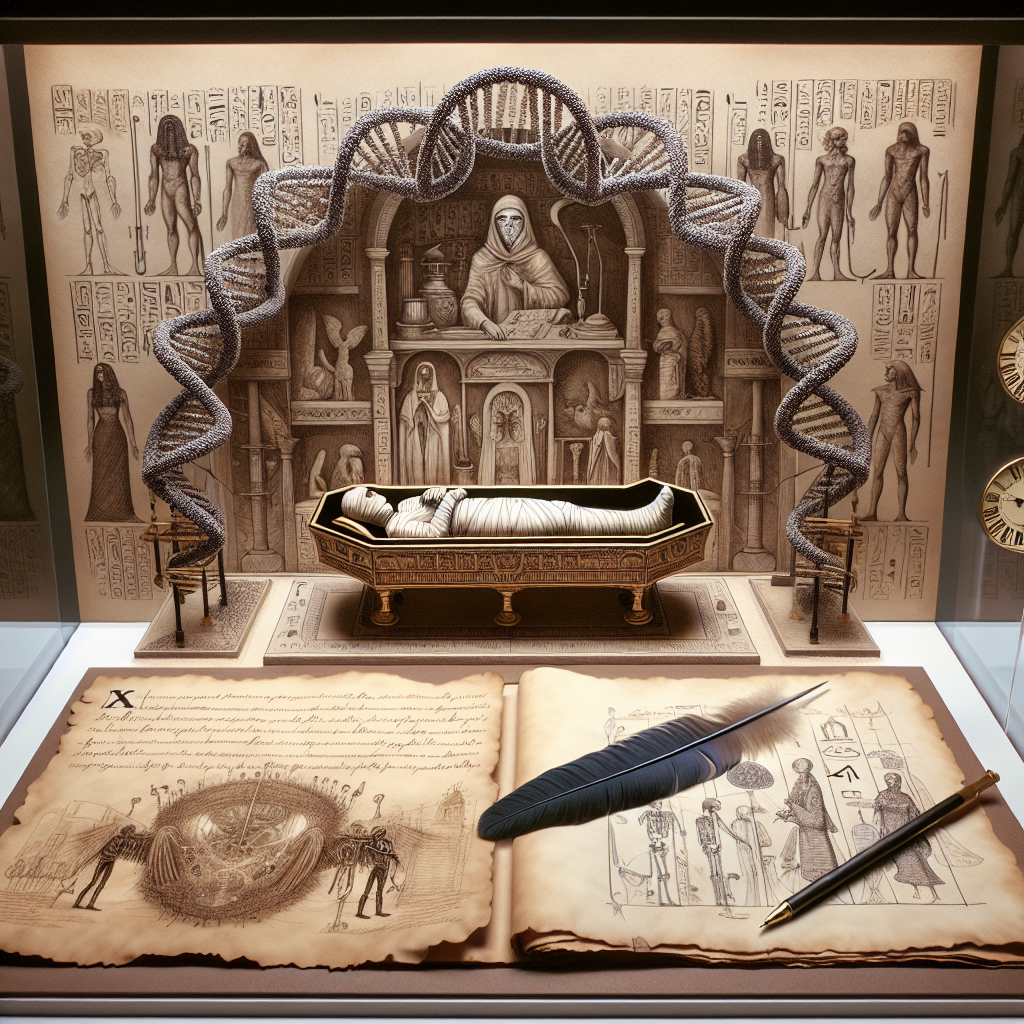
- Ancient DNA Analysis: Researchers extracted and analyzed DNA from a mummy dating back over 4,000 years, revealing the presence of Yersinia pestis, the bacterium responsible for the bubonic plague.
- Revised Timeline: The findings suggest that the bubonic plague existed much earlier than previously thought, predating the Black Death pandemic of the 14th century by millennia.
- Geographical Spread: Evidence indicates that the plague may have originated in regions far from where it was traditionally believed to have started, suggesting a more complex spread across ancient civilizations.
Implications for Historical Understanding
This discovery has significant implications for historians and scientists, prompting a reevaluation of how the bubonic plague influenced ancient societies. It challenges the conventional narrative of the Black Death and its impact on human history.

Conclusion
The analysis of ancient DNA from a mummy has provided a new lens through which to view the history of the bubonic plague. By pushing back the timeline and expanding the geographical origins of the disease, this research reshapes our understanding of the Black Death and its role in shaping human history. These findings underscore the importance of interdisciplinary research in uncovering the complexities of our past.














