When Hospital Fires Become Routine News
When Hospital Fires Become Routine News
Introduction: A Growing Concern
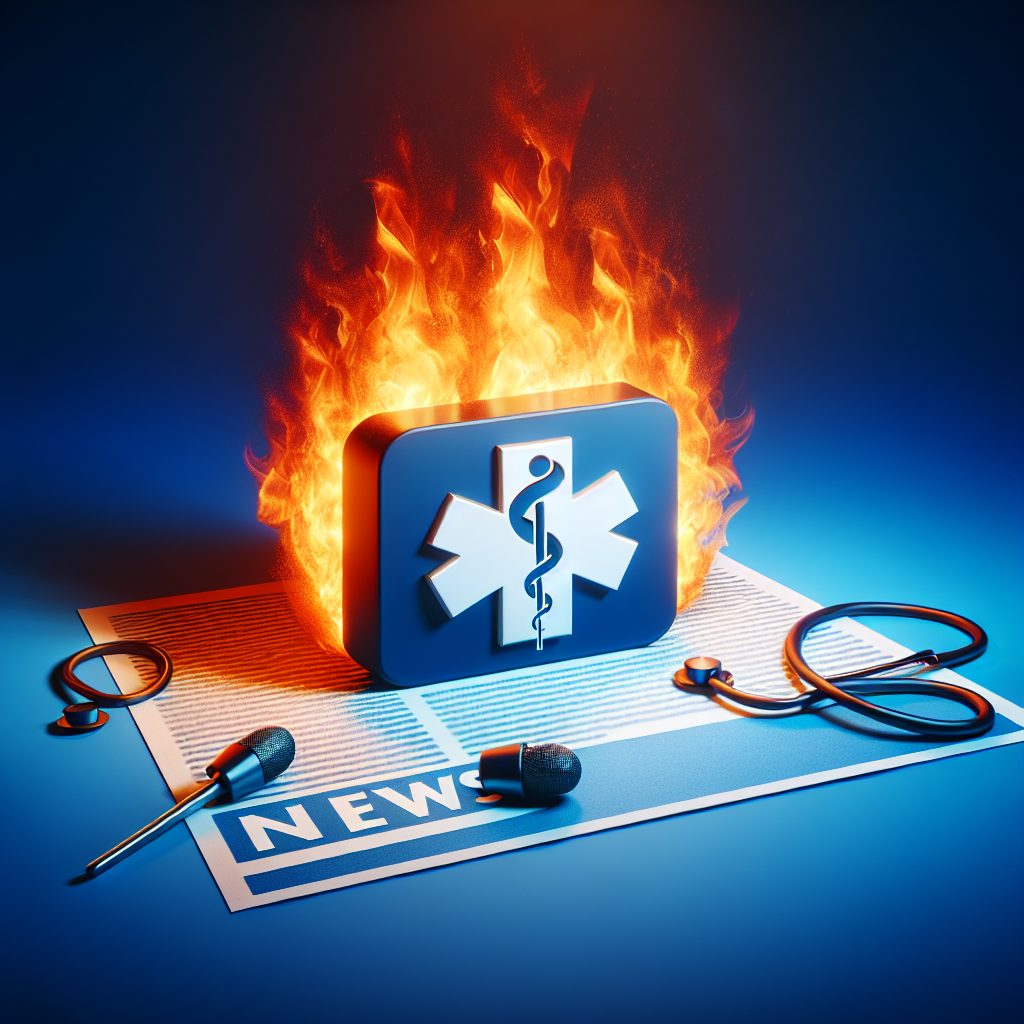
Hospital fires, once rare and shocking events, are increasingly becoming a routine part of news cycles. This alarming trend raises questions about safety protocols, infrastructure, and the impact on healthcare systems worldwide.

Key Factors Contributing to Hospital Fires
- Outdated Infrastructure: Many hospitals operate in aging buildings with outdated electrical systems, increasing the risk of fires.
- Overcrowding: High patient volumes can lead to overcrowded facilities, complicating evacuation efforts and increasing fire hazards.
- Inadequate Safety Measures: Insufficient fire safety protocols and lack of regular drills can exacerbate the situation during an emergency.
Impact on Healthcare Systems
Hospital fires not only endanger lives but also strain healthcare systems. The aftermath often includes:

- Displacement of Patients: Patients must be relocated, disrupting their care and recovery.
- Resource Allocation: Emergency resources are diverted to manage the crisis, affecting other areas of healthcare delivery.
- Financial Strain: The cost of repairs and upgrades can be substantial, impacting hospital budgets and operations.
Preventive Measures and Solutions
To address this growing issue, hospitals and authorities can implement several strategies:

- Infrastructure Upgrades: Investing in modernizing hospital facilities to meet current safety standards.
- Regular Safety Drills: Conducting frequent fire drills to ensure staff and patients are prepared for emergencies.
- Enhanced Safety Protocols: Developing comprehensive fire safety plans and ensuring compliance with regulations.
Conclusion: A Call to Action
As hospital fires become more common, it is crucial for healthcare facilities to prioritize safety and preparedness. By addressing infrastructure issues, enhancing safety protocols, and conducting regular drills, hospitals can better protect patients and staff, ensuring that these tragic events do not become a routine part of the news.