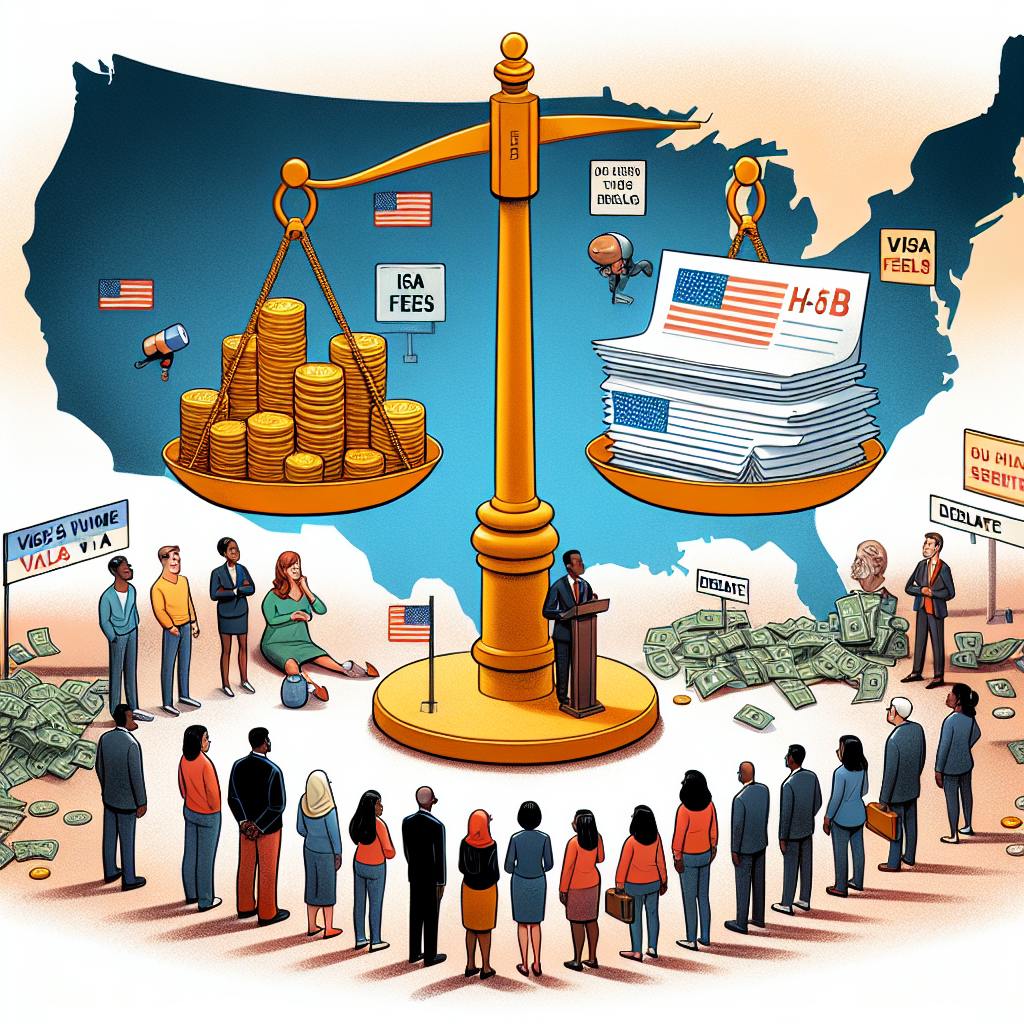
Exploring the Impact of H-1B Visa Fees and Regulations Amid US Debate
Exploring the Impact of H-1B Visa Fees and Regulations Amid US Debate
Introduction
The H-1B visa program, a cornerstone for skilled foreign workers in the United States, is under intense scrutiny as debates over its fees and regulations intensify. This discussion is pivotal in shaping the future of the U.S. workforce and its global competitiveness.

Key Issues in the Debate
- Increased Fees: Proposed hikes in H-1B visa fees aim to generate additional revenue but could deter small businesses and startups from hiring international talent.
- Regulatory Changes: Stricter regulations are being considered to ensure that American workers are prioritized, potentially impacting the hiring flexibility of U.S. companies.
- Economic Impact: The changes could affect the tech industry significantly, which relies heavily on H-1B visa holders for specialized skills.
Stakeholder Perspectives
Various stakeholders have voiced their opinions on the proposed changes:

- Business Leaders: Many argue that increased fees and regulations could stifle innovation and competitiveness.
- Policy Makers: Some advocate for reforms to protect domestic workers and ensure fair labor practices.
- Immigrant Advocates: Concerns are raised about the potential negative impact on diversity and inclusion within the workforce.
Potential Outcomes
The ongoing debate could lead to several potential outcomes:

- Policy Revisions: Adjustments to the proposed changes may occur to balance economic needs with labor protection.
- Shift in Hiring Practices: Companies might explore alternative visa options or increase domestic training programs.
- Global Talent Dynamics: Changes could influence global talent flows, with skilled workers seeking opportunities in other countries.
Conclusion
The debate over H-1B visa fees and regulations is a critical issue with far-reaching implications for the U.S. economy and its position in the global market. Balancing the need for skilled foreign workers with the protection of domestic labor remains a complex challenge. As discussions continue, stakeholders must navigate these changes carefully to ensure a thriving and competitive workforce.