Ongoing Refugee Crisis at Bulgaria’s EU Border
Ongoing Refugee Crisis at Bulgaria’s EU Border
Background and Current Situation
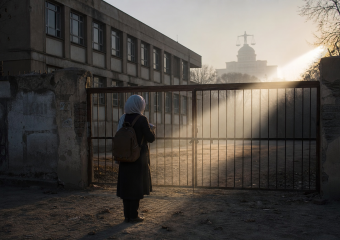
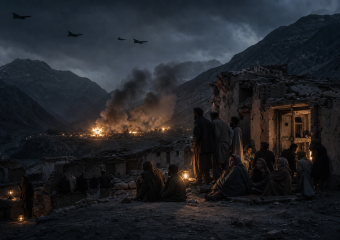
The refugee crisis at Bulgaria’s EU border has intensified, with a significant influx of migrants seeking asylum. This situation has put immense pressure on Bulgaria, a key entry point into the European Union, as it grapples with managing the humanitarian and logistical challenges posed by the increasing number of refugees.

Key Challenges
- Overcrowded Facilities: Refugee camps and processing centers are overwhelmed, leading to inadequate living conditions.
- Security Concerns: The surge in refugee numbers has raised security issues, prompting increased border patrols and surveillance.
- Humanitarian Needs: There is a pressing need for food, medical care, and shelter for the refugees, many of whom are fleeing conflict and persecution.
International Response
The European Union and international organizations are actively involved in addressing the crisis. Efforts include:

- Financial Aid: The EU has allocated funds to support Bulgaria in managing the crisis.
- Policy Discussions: Ongoing talks aim to develop a cohesive EU-wide strategy for refugee management and resettlement.
- Humanitarian Assistance: NGOs and international bodies are providing on-ground support to meet the immediate needs of refugees.
Local Impact
The influx of refugees has had a profound impact on local communities in Bulgaria:

- Economic Strain: The local economy is under pressure due to the increased demand for resources and services.
- Social Tensions: There are rising tensions between local populations and refugees, necessitating efforts to foster integration and understanding.
Conclusion
The ongoing refugee crisis at Bulgaria’s EU border presents a complex challenge that requires coordinated international efforts and local solutions. Addressing the immediate humanitarian needs while developing long-term strategies for integration and security is crucial for managing this crisis effectively.