Restoring Syria’s Economy: Is Post-War Stability Achievable?
Restoring Syria’s Economy: Is Post-War Stability Achievable?
Introduction
After years of devastating conflict, Syria faces the daunting task of rebuilding its shattered economy. The path to post-war stability is fraught with challenges, but also holds potential opportunities for recovery and growth. This summary explores the key factors influencing Syria’s economic restoration and the prospects for achieving lasting stability.

Challenges to Economic Recovery
The Syrian economy has been severely impacted by the prolonged conflict, resulting in numerous obstacles to recovery:

- Infrastructure Damage: Extensive destruction of infrastructure, including roads, hospitals, and schools, hampers economic activities and basic services.
- Displacement and Human Capital Loss: Millions of Syrians have been displaced, leading to a significant loss of skilled labor and human capital.
- Sanctions and Isolation: International sanctions and political isolation limit access to global markets and financial resources.
- Corruption and Governance Issues: Endemic corruption and weak governance structures undermine efforts to rebuild and attract investment.
Opportunities for Economic Revival
Despite the challenges, there are potential avenues for revitalizing Syria’s economy:

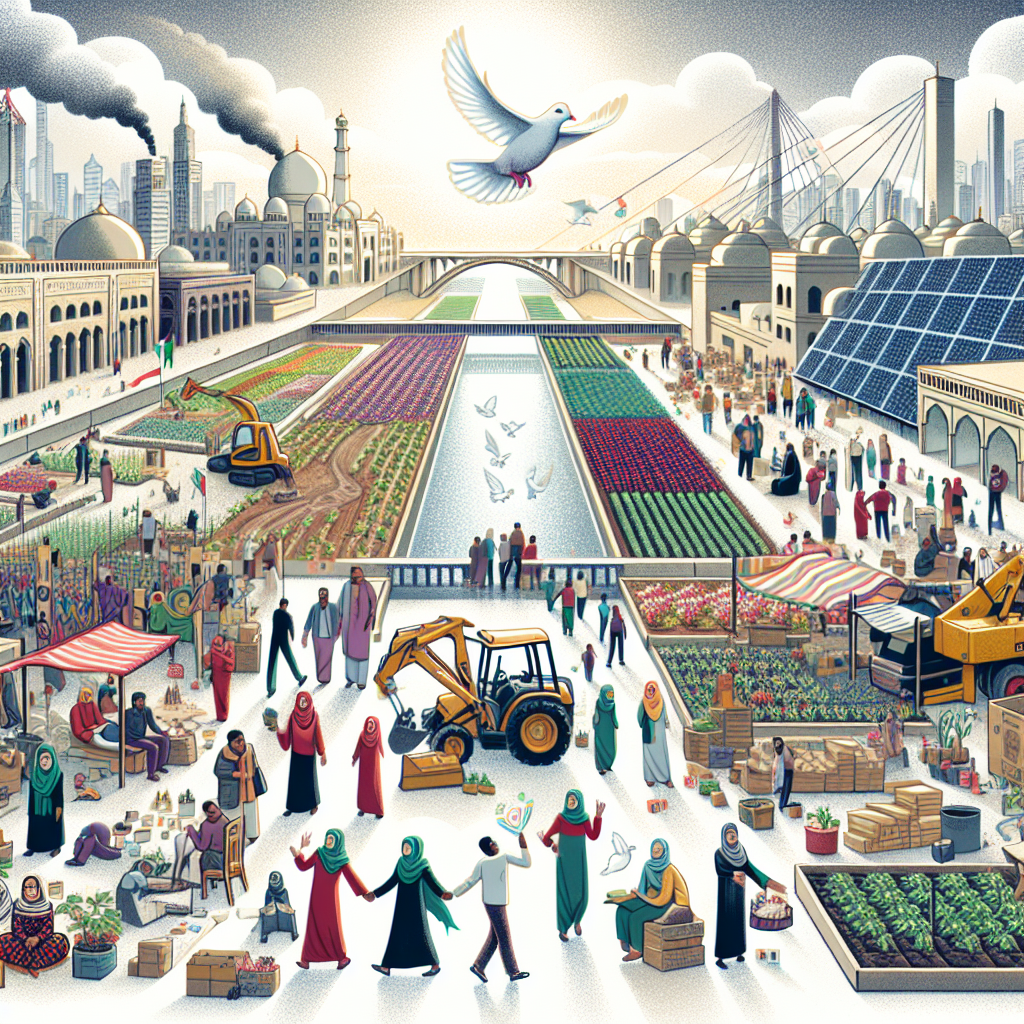
- International Aid and Investment: Leveraging international aid and attracting foreign investment can provide much-needed capital for reconstruction.
- Regional Cooperation: Engaging in regional trade and cooperation can help integrate Syria into the broader Middle Eastern economy.
- Rebuilding Agriculture: Revitalizing the agricultural sector can create jobs and ensure food security, contributing to economic stability.
- Harnessing Natural Resources: Efficiently managing and utilizing Syria’s natural resources, such as oil and gas, can boost economic growth.
Path to Stability
Achieving post-war stability in Syria requires a multifaceted approach:
- Political Reconciliation: Establishing a stable political environment through reconciliation and inclusive governance is crucial for long-term stability.
- Economic Reforms: Implementing structural economic reforms can enhance efficiency, transparency, and competitiveness.
- Social Cohesion: Promoting social cohesion and addressing the needs of displaced populations can foster a sense of unity and shared purpose.
Conclusion
Restoring Syria’s economy and achieving post-war stability is a complex and challenging endeavor. While significant obstacles remain, strategic investments, international cooperation, and comprehensive reforms offer pathways to recovery. The success of these efforts will depend on the commitment of both domestic and international stakeholders to support Syria’s journey towards a stable and prosperous future.