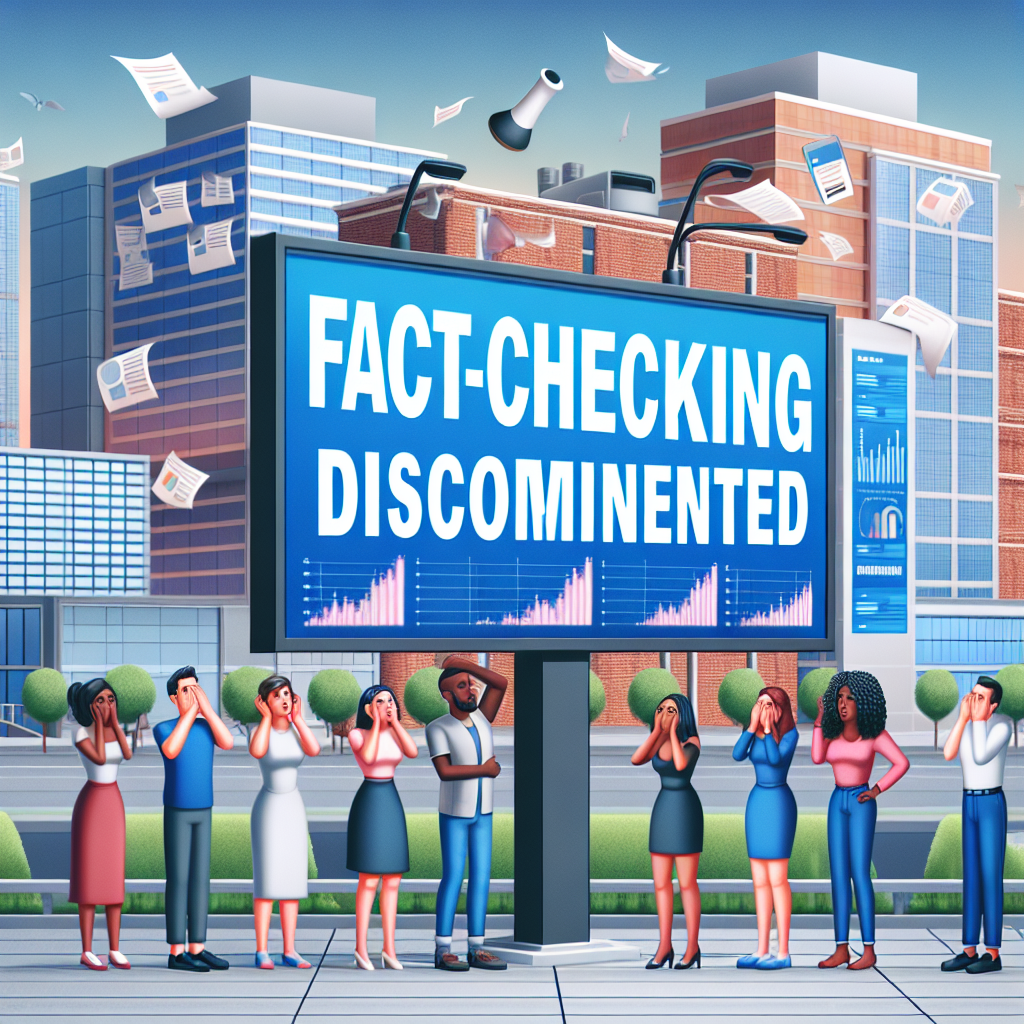
Meta and Facebook to End Fact-Checking: Implications for Social Media
Meta and Facebook to End Fact-Checking: Implications for Social Media
Introduction
Meta, the parent company of Facebook, has announced its decision to discontinue its fact-checking program. This move has sparked widespread debate about the potential consequences for social media platforms and the spread of misinformation.

Background
Since its inception, Facebook’s fact-checking initiative aimed to curb the spread of false information by partnering with third-party organizations. However, the effectiveness and impact of these efforts have been subjects of ongoing scrutiny.

Reasons for Ending Fact-Checking
- Resource Allocation: Meta aims to reallocate resources towards developing new technologies and features.
- Challenges in Implementation: The complexity and scale of fact-checking have posed significant challenges.
- Focus on User Empowerment: Meta plans to enhance tools that empower users to identify misinformation independently.
Potential Implications
- Increased Misinformation: Without fact-checking, the spread of false information may accelerate.
- User Responsibility: Users may need to become more vigilant in verifying information.
- Impact on Trust: The credibility of information on Facebook could be further questioned.
Reactions from Stakeholders
The decision has elicited mixed reactions from various stakeholders:

- Critics: Express concerns about the potential rise in misinformation and its societal impact.
- Supporters: Argue that fact-checking was not effective and welcome the shift towards user empowerment.
- Experts: Call for a balanced approach that combines technology with human oversight.
Conclusion
The end of Meta’s fact-checking program marks a significant shift in the company’s approach to managing misinformation. While it opens up opportunities for innovation and user empowerment, it also raises concerns about the potential increase in false information. As Meta navigates this transition, the onus may increasingly fall on users to critically evaluate the content they encounter on social media platforms.