Understanding Waste Colonialism: Thailand’s Ban on Plastic Imports Explained

Understanding Waste Colonialism: Thailand’s Ban on Plastic Imports Explained
Introduction to Waste Colonialism
Waste colonialism refers to the practice where developed countries export their waste, particularly plastic, to less developed nations. This often results in environmental and health challenges for the receiving countries, which may lack the infrastructure to manage such waste effectively.

Thailand’s Bold Move
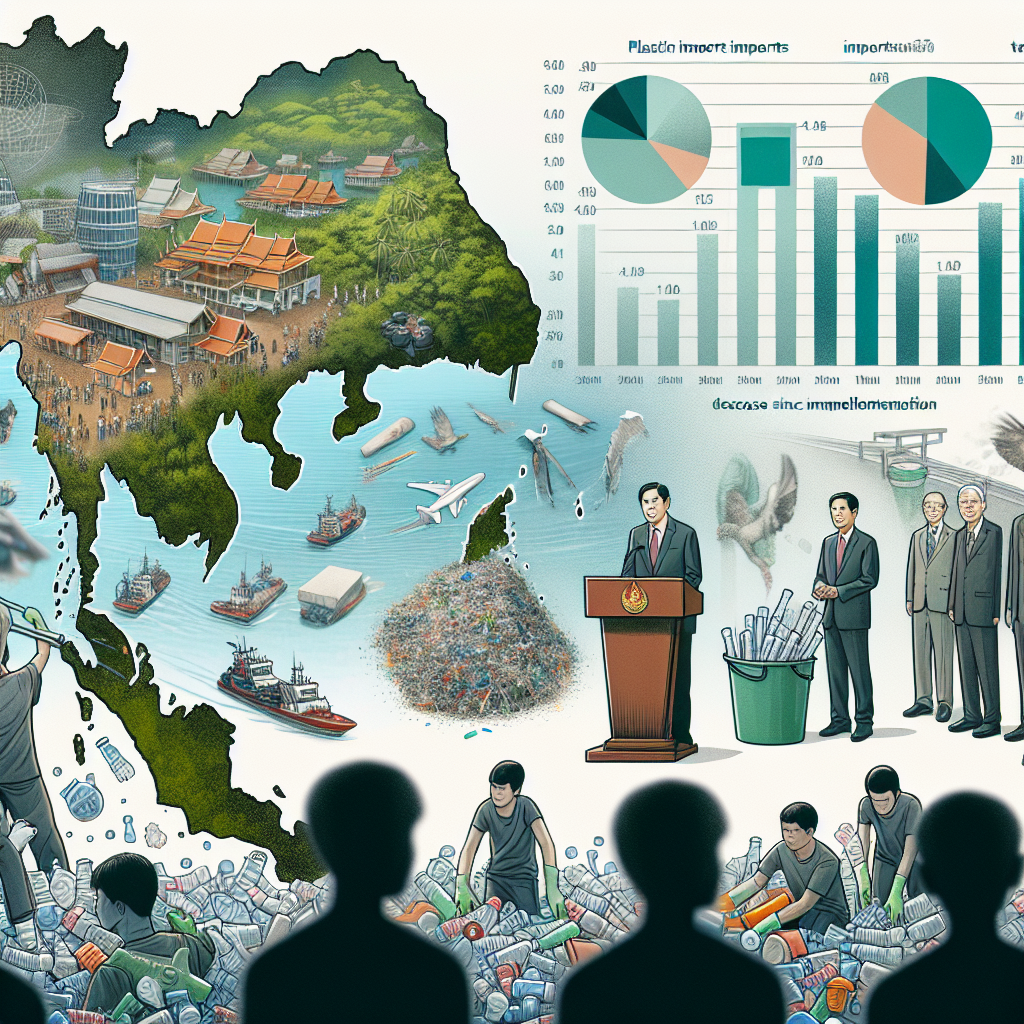
In a significant step towards combating waste colonialism, Thailand has announced a ban on plastic imports. This decision is part of a broader effort to address environmental concerns and promote sustainable waste management practices within the country.


Key Reasons for the Ban
- Environmental Protection: The ban aims to reduce the environmental impact of plastic waste, which can lead to pollution and harm to local ecosystems.
- Health Concerns: Improper waste management can pose serious health risks to local communities, including exposure to toxic substances.
- Economic Self-Reliance: By banning imports, Thailand seeks to develop its own recycling industry, creating jobs and reducing dependency on foreign waste.
Global Implications
Thailand’s decision is part of a growing global movement against waste colonialism. Other countries are also reconsidering their roles in the global waste trade, leading to increased pressure on developed nations to manage their waste domestically.

Challenges and Opportunities
- Infrastructure Development: Thailand will need to invest in recycling and waste management infrastructure to handle domestic waste effectively.
- Policy Implementation: Ensuring compliance with the ban will require robust policy measures and enforcement mechanisms.
- International Cooperation: Collaboration with other nations can help share best practices and technologies for sustainable waste management.
Conclusion
Thailand’s ban on plastic imports is a significant step towards addressing the challenges of waste colonialism. By prioritizing environmental protection, health, and economic self-reliance, Thailand sets an example for other nations grappling with similar issues. This move not only highlights the need for sustainable waste management but also underscores the importance of global cooperation in tackling environmental challenges.