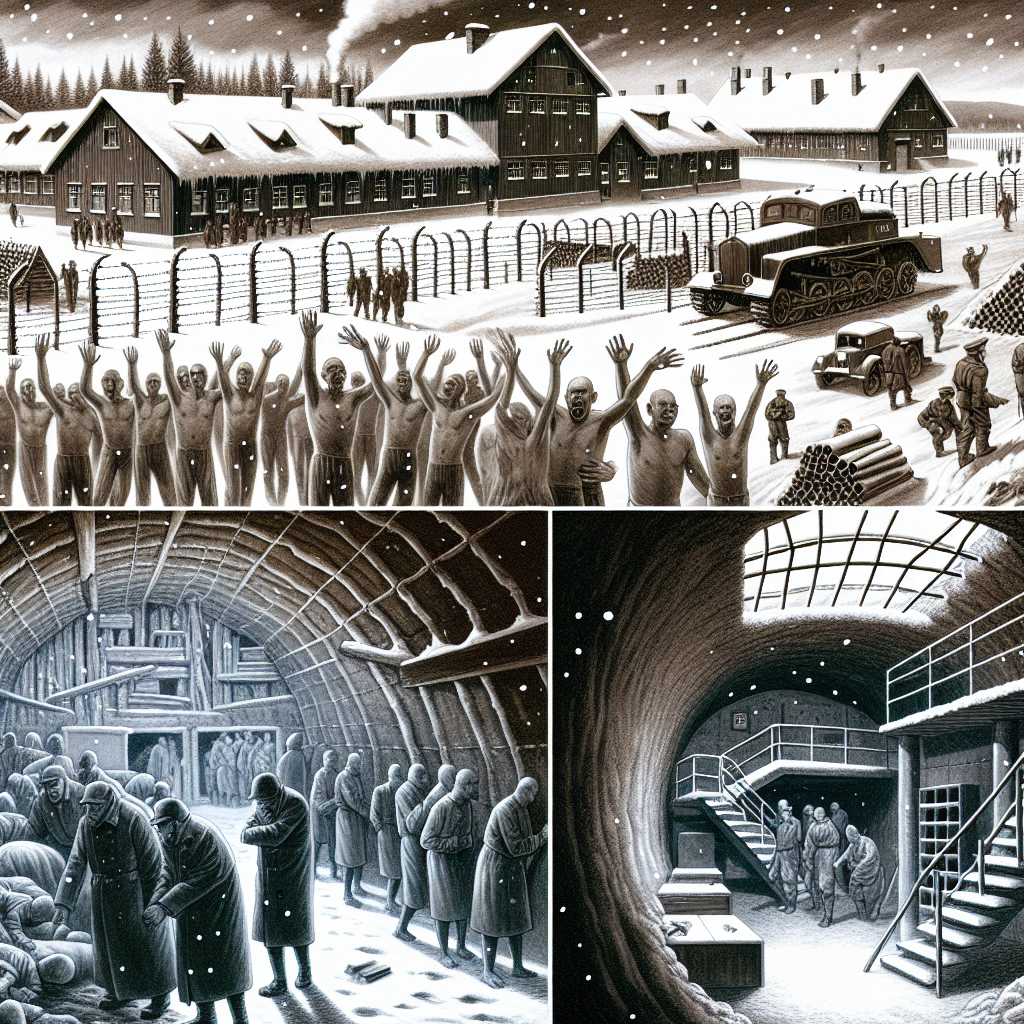
The Final Year of WWII: Liberation of Auschwitz and Hitler’s Demise
The Final Year of WWII: Liberation of Auschwitz and Hitler’s Demise
Introduction
The final year of World War II marked a pivotal moment in history, characterized by the liberation of concentration camps and the downfall of Adolf Hitler. These events not only signaled the end of a brutal conflict but also paved the way for a new world order.

Key Events Leading to Liberation
- Allied Advances: The Allied forces made significant progress in Europe, pushing back German troops and liberating occupied territories.
- Soviet Offensive: The Soviet Red Army launched a major offensive in January 1945, advancing into Poland and reaching Auschwitz.
Liberation of Auschwitz
On January 27, 1945, Soviet troops liberated Auschwitz, the largest and most notorious Nazi concentration and extermination camp. This event exposed the horrors of the Holocaust to the world and underscored the need for justice and remembrance.

Hitler’s Downfall
- Military Defeats: The German military faced continuous defeats on both the Eastern and Western fronts, weakening Hitler’s regime.
- Internal Collapse: As the Allies closed in, internal dissent and betrayal further destabilized Nazi leadership.
- Hitler’s Suicide: On April 30, 1945, Adolf Hitler committed suicide in his Berlin bunker, marking the collapse of Nazi Germany.
Aftermath and Impact
The liberation of Auschwitz and Hitler’s demise were crucial in ending World War II. These events led to the unconditional surrender of Germany on May 8, 1945, and set the stage for post-war reconstruction and the establishment of international human rights standards.

Conclusion
The final year of World War II was a turning point in global history. The liberation of Auschwitz highlighted the atrocities of the Holocaust, while Hitler’s demise signaled the end of Nazi tyranny. These events not only brought an end to a devastating war but also laid the foundation for a more just and peaceful world.