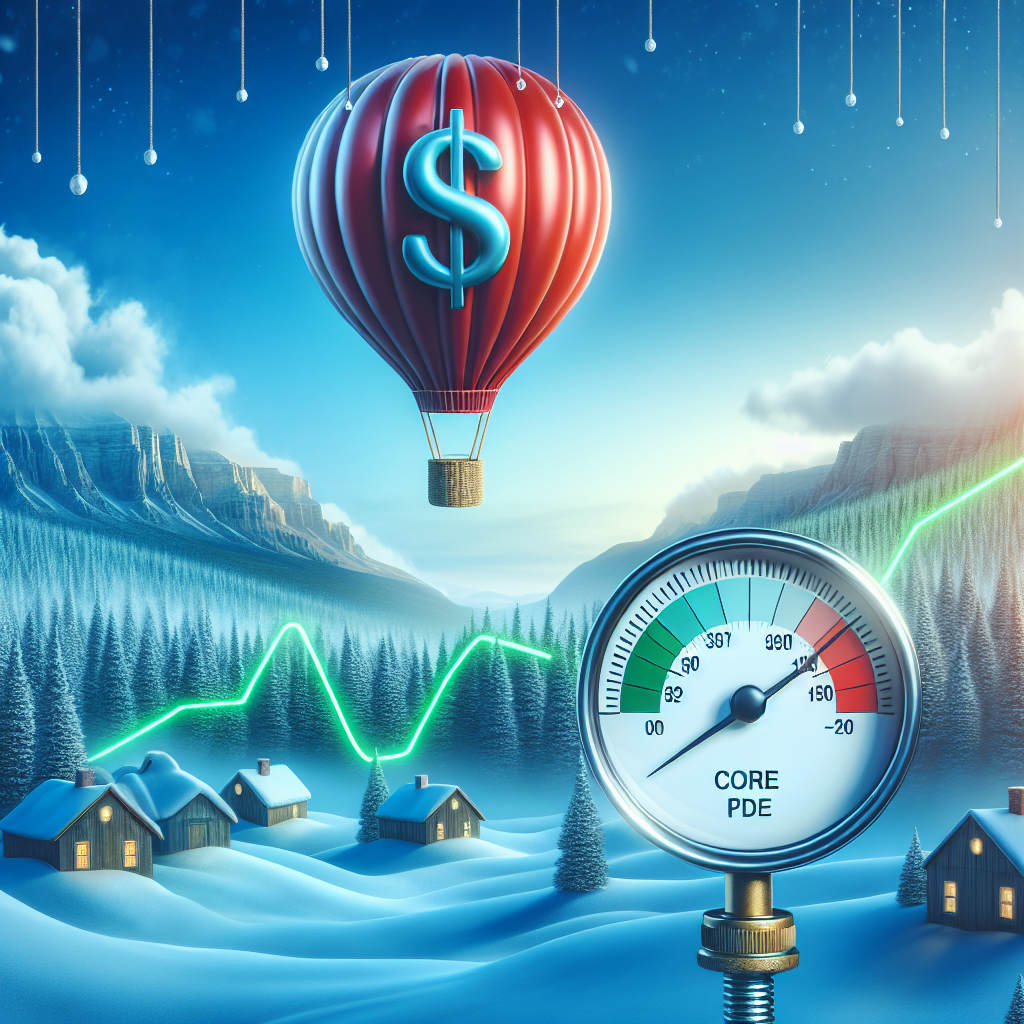
US Inflation Rises in December as Core Price Pressures Slightly Decline
US Inflation Rises in December
Overview of Inflation Trends
In December, the United States experienced a rise in overall inflation, marking a significant economic development. Despite this increase, core price pressures, which exclude volatile items like food and energy, showed a slight decline. This mixed trend provides a nuanced picture of the current economic landscape.

Key Factors Contributing to Inflation
- Energy Prices: A notable increase in energy costs contributed to the overall rise in inflation.
- Food Prices: Fluctuations in food prices also played a role in the inflationary trend.
- Supply Chain Issues: Ongoing supply chain disruptions continued to impact prices across various sectors.
Core Price Pressures Decline
While the headline inflation rate rose, core price pressures, which provide a clearer view of long-term inflation trends, showed a slight decline. This suggests that underlying inflationary pressures may be easing, offering a glimmer of hope for future economic stability.

Implications for Policymakers and Consumers
- Federal Reserve: The mixed inflation data presents a challenge for the Federal Reserve as it balances interest rate decisions.
- Consumer Impact: Consumers may feel the pinch of rising prices, particularly in energy and food, affecting household budgets.
- Market Reactions: Financial markets may respond to these inflation trends with increased volatility.
Conclusion
The rise in US inflation in December, coupled with a slight decline in core price pressures, paints a complex picture of the current economic environment. While energy and food prices drive overall inflation higher, the easing of core pressures may signal potential stabilization. Policymakers and consumers alike must navigate these trends carefully as they plan for the future.