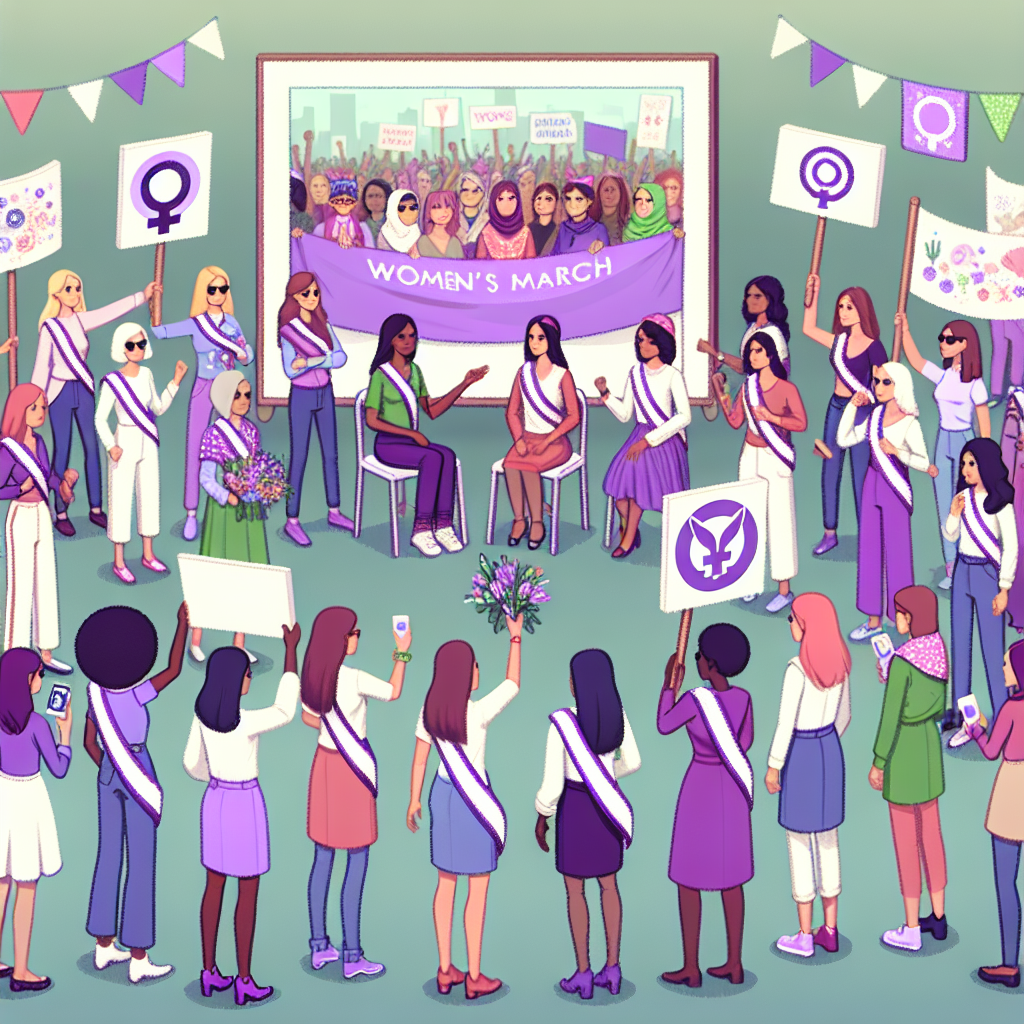
Can a Rebrand Unite the Divided Women’s March?
Can a Rebrand Unite the Divided Women’s March?
Introduction
The Women’s March, once a powerful symbol of unity and activism, faces internal divisions and challenges. A rebranding effort aims to address these issues and rejuvenate the movement. This summary explores the potential of a rebrand to mend fractures and restore the march’s influence.

Background
Since its inception in 2017, the Women’s March has been a pivotal force in advocating for women’s rights and social justice. However, over the years, it has encountered several obstacles:

- Internal conflicts and leadership disputes
- Criticism over inclusivity and representation
- Decreased participation and public interest
The Rebranding Strategy
The rebranding initiative seeks to address these challenges through a comprehensive approach:

- New Leadership: Introducing diverse and inclusive leaders to guide the movement.
- Clear Messaging: Crafting a unified message that resonates with a broader audience.
- Community Engagement: Strengthening grassroots connections and local activism.
- Digital Transformation: Leveraging social media and digital platforms to reach and mobilize supporters.
Challenges and Opportunities
While the rebrand presents opportunities for revitalization, it also faces significant hurdles:
- Overcoming Skepticism: Convincing former supporters and critics of genuine change.
- Maintaining Momentum: Ensuring sustained engagement and participation.
- Balancing Diverse Voices: Harmonizing the varied perspectives within the movement.
Conclusion
The rebranding of the Women’s March holds promise for uniting a divided movement and reinvigorating its mission. By addressing past issues and embracing a more inclusive and strategic approach, the march can potentially regain its status as a leading force for change. However, success will depend on the ability to effectively implement these changes and foster a renewed sense of unity and purpose.