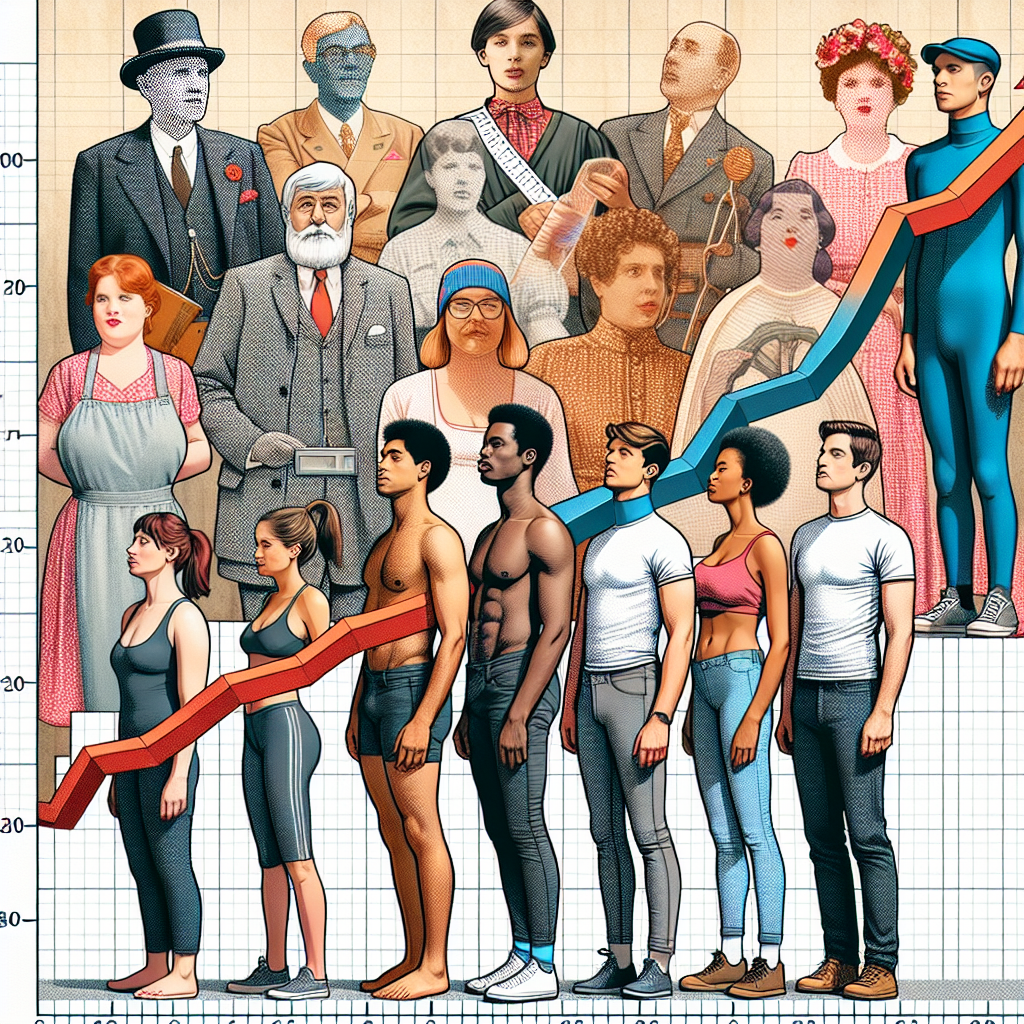
Study Reveals Men Have Grown Taller and Heavier Than Women Over the Past Century
Study Reveals Men Have Grown Taller and Heavier Than Women Over the Past Century
Introduction
A recent study has unveiled intriguing insights into the physical evolution of men and women over the last hundred years. The research highlights significant differences in growth patterns between the genders, with men experiencing more pronounced changes in height and weight compared to women.

Key Findings
- Height Increase: Men have experienced a more substantial increase in height compared to women over the past century.
- Weight Gain: The study indicates that men have also gained more weight than women during the same period.
- Global Trends: These changes are observed globally, though the extent varies across different regions and populations.
Factors Influencing Growth
The study attributes these changes to a variety of factors, including:

- Nutrition: Improved nutrition and access to food have played a crucial role in physical development.
- Healthcare Advances: Better healthcare and living conditions have contributed to overall growth.
- Genetic Factors: Genetic predispositions continue to influence growth patterns, albeit to a lesser extent.
Implications of the Findings
The findings of this study have several implications:

- Health Considerations: Understanding these growth trends can aid in addressing health issues related to weight and height.
- Policy Development: Policymakers can use this data to improve public health strategies and nutritional guidelines.
- Further Research: The study opens avenues for further research into the socio-economic and environmental factors affecting growth.
Conclusion
In summary, the study provides a comprehensive look at how men have grown taller and heavier than women over the past century, driven by factors such as nutrition, healthcare, and genetics. These insights not only enhance our understanding of human development but also underscore the importance of continued research and policy development to address the health implications of these changes.