Hawaiian Siblings Claim Police Wrongfully Accused Them of 1991 Tourist Murder
Hawaiian Siblings Claim Police Wrongfully Accused Them of 1991 Tourist Murder
Background of the Case
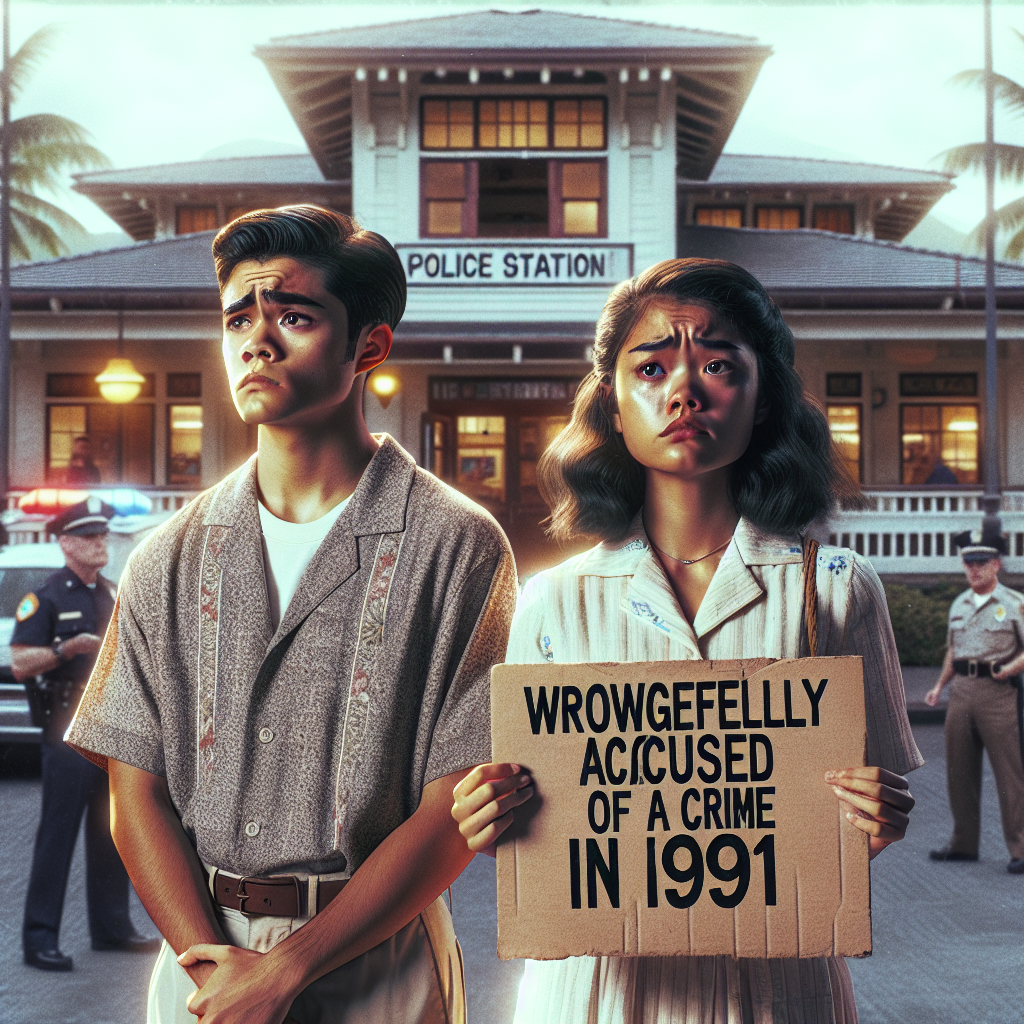
In a case that has resurfaced after decades, two Hawaiian siblings, who were accused of murdering a tourist in 1991, are now claiming that they were wrongfully accused by the police. The siblings, who have maintained their innocence throughout, are seeking justice and a re-examination of the evidence.

Key Allegations
- The siblings allege that the police investigation was flawed and biased.
- They claim that crucial evidence was either ignored or mishandled.
- There are accusations of coercion and misconduct during the initial investigation.
Impact on the Siblings
The wrongful accusation has had a profound impact on the lives of the siblings, affecting their personal and professional lives. They have faced social stigma and emotional distress over the years due to the unresolved nature of the case.

Current Developments
Recent advancements in forensic technology and a renewed interest in cold cases have prompted the siblings to push for a re-evaluation of the evidence. They are hopeful that modern techniques can provide clarity and potentially exonerate them.

Public and Legal Reactions
- The case has garnered significant public attention, with many advocating for a fair re-investigation.
- Legal experts are divided on the potential outcomes, but there is a consensus on the need for transparency and justice.
Conclusion
The case of the Hawaiian siblings accused of a 1991 tourist murder highlights the complexities and potential pitfalls of criminal investigations. As they seek to clear their names, the case underscores the importance of due process and the impact of wrongful accusations on individuals’ lives. The outcome of this renewed investigation could set a precedent for how similar cases are handled in the future.