
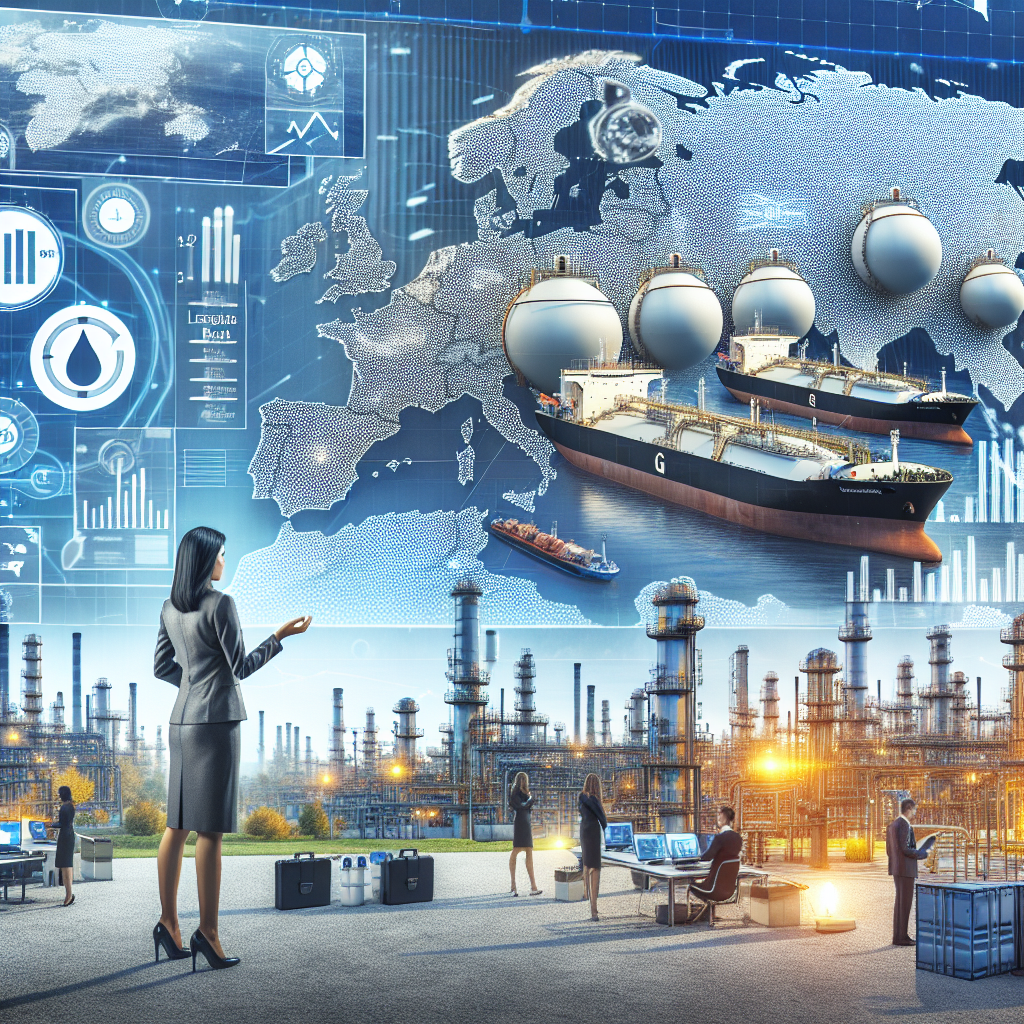
Increasing Dependence on LNG in the EU – Energy Executive Highlights
Increasing Dependence on LNG in the EU – Energy Executive Highlights
Overview of LNG’s Growing Role
The European Union is witnessing a significant shift in its energy landscape, with Liquefied Natural Gas (LNG) emerging as a crucial component of its energy strategy. This transition is driven by a combination of geopolitical factors, environmental goals, and the need for energy security.

Key Drivers of LNG Adoption
- Geopolitical Tensions: The EU’s reliance on Russian gas has prompted a search for alternative energy sources, making LNG an attractive option.
- Environmental Commitments: LNG is seen as a cleaner alternative to coal and oil, aligning with the EU’s climate goals.
- Energy Security: Diversifying energy sources through LNG imports enhances the EU’s energy resilience.
Challenges and Considerations
While LNG offers numerous benefits, its increased adoption presents several challenges that need to be addressed:

- Infrastructure Development: Significant investment is required to build and upgrade LNG terminals and pipelines.
- Market Volatility: LNG prices can be unpredictable, influenced by global demand and supply dynamics.
- Environmental Concerns: Although cleaner than other fossil fuels, LNG production and transport still have environmental impacts.
Strategic Initiatives and Future Outlook
The EU is actively pursuing strategies to integrate LNG into its energy mix effectively:

- Investment in Infrastructure: Funding is being allocated to expand LNG import capacity and improve distribution networks.
- Partnerships and Agreements: The EU is forging alliances with key LNG-producing countries to secure stable supply chains.
- Innovation and Research: Efforts are underway to enhance LNG technology and reduce its carbon footprint.
Conclusion
The EU’s increasing dependence on LNG is reshaping its energy landscape, offering a pathway to greater energy security and environmental sustainability. However, this transition requires careful management of infrastructure, market dynamics, and environmental impacts. As the EU continues to navigate these challenges, LNG is poised to play a pivotal role in its energy future.












