“Tragedy at Auschwitz: Remembering the Victims of Nazi Atrocities”
Tragedy at Auschwitz: Remembering the Victims of Nazi Atrocities
Introduction
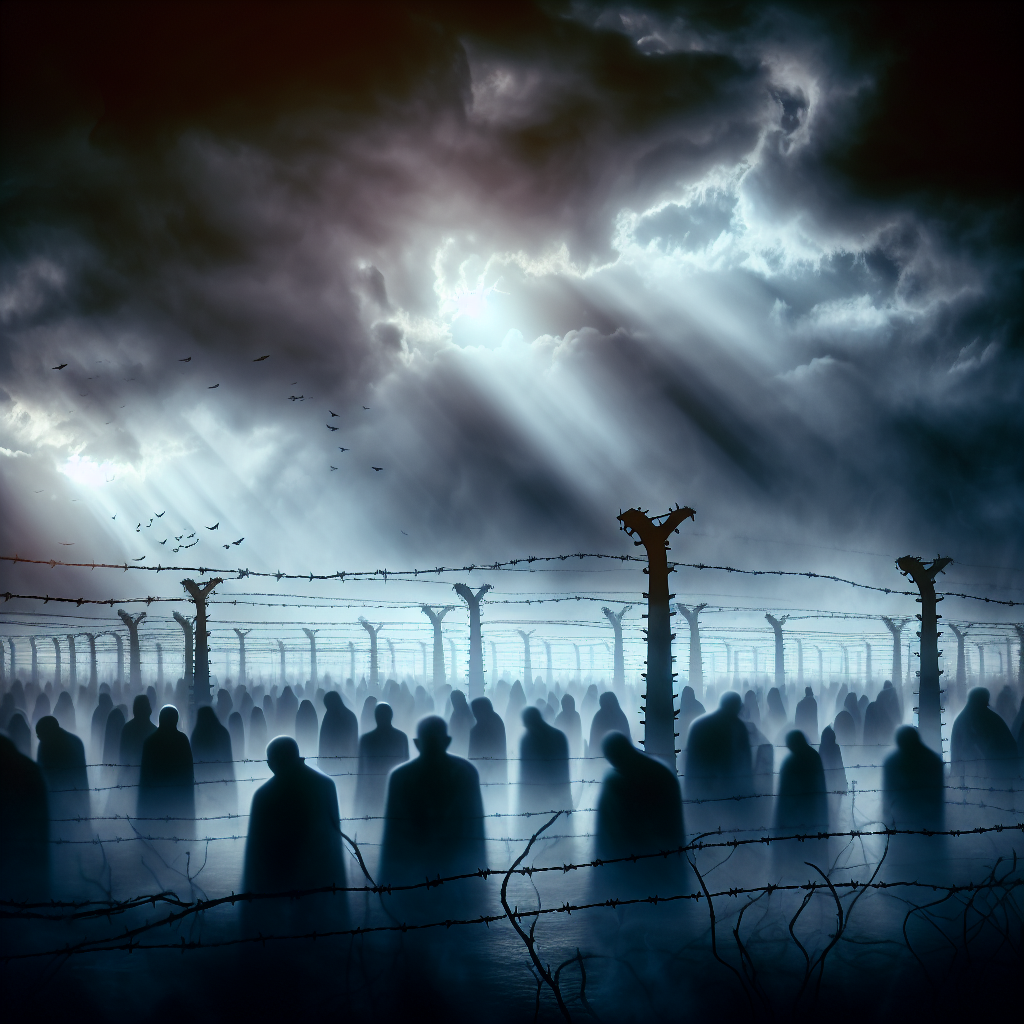
The Auschwitz concentration camp stands as a stark reminder of the horrors of the Holocaust. This news topic delves into the tragic events that unfolded at Auschwitz, honoring the memory of the millions who suffered and perished under Nazi rule.

The Historical Context
Auschwitz, located in Nazi-occupied Poland, was the largest of the concentration and extermination camps established by the Nazis during World War II. It became a symbol of the Holocaust, where over a million Jews, along with other persecuted groups, were systematically murdered.

Key Insights
- Scale of Atrocities: Auschwitz was a complex of camps, including Auschwitz I, Auschwitz II-Birkenau, and Auschwitz III-Monowitz, where mass exterminations were carried out.
- Victims: The primary victims were Jews, but Romani people, Polish prisoners, Soviet POWs, and others were also targeted.
- Survivor Testimonies: Survivors have provided harrowing accounts of life in the camps, highlighting the brutality and inhumanity they endured.
- Memorialization: Today, Auschwitz serves as a museum and memorial, educating future generations about the Holocaust and the importance of preventing such atrocities.
Commemorative Efforts
Efforts to remember and honor the victims include annual commemorations, educational programs, and preservation of the site. These initiatives aim to keep the memory of the Holocaust alive and ensure that the lessons of history are not forgotten.

Conclusion
The tragedy at Auschwitz is a poignant reminder of the depths of human cruelty and the resilience of the human spirit. By remembering the victims and learning from the past, we strive to build a future free from hatred and intolerance.