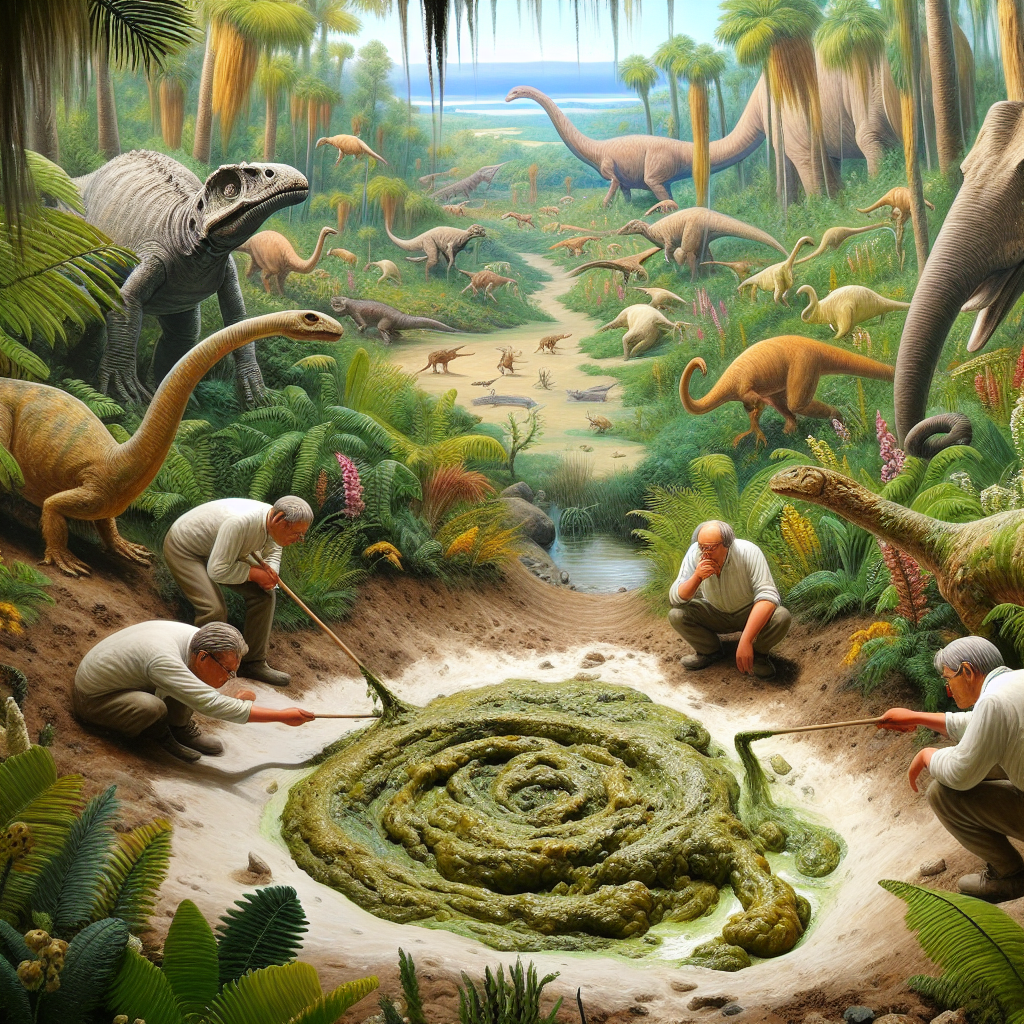
Ancient Dinosaur-Era Vomit Discovered in Denmark
Ancient Dinosaur-Era Vomit Discovered in Denmark
Introduction to a Remarkable Discovery
In a groundbreaking paleontological find, scientists have uncovered what is believed to be dinosaur-era vomit in Denmark. This discovery offers a unique glimpse into the dietary habits and ecological interactions of prehistoric creatures.

Key Details of the Discovery
- Location: The fossilized vomit was found in the Møns Klint region of Denmark, a site known for its rich geological history.
- Age: The specimen dates back approximately 140 million years, placing it firmly in the late Jurassic to early Cretaceous period.
- Composition: Analysis reveals a mixture of fish bones and scales, suggesting the regurgitation of a meal by a predator.
Significance of the Find
This discovery is significant for several reasons:

- Dietary Insights: It provides direct evidence of the diet of certain prehistoric predators, likely marine reptiles or large fish.
- Ecological Context: The find helps reconstruct the food web and ecological dynamics of the time.
- Preservation Rarity: Fossilized vomit is an exceptionally rare find, offering unique insights into ancient life.
Scientific Implications
The discovery opens new avenues for research into the behavior and ecology of ancient marine ecosystems. It also highlights the potential for similar finds in other regions, encouraging further exploration and study.

Conclusion
The discovery of dinosaur-era vomit in Denmark is a remarkable addition to our understanding of prehistoric life. It not only sheds light on the dietary habits of ancient predators but also enriches our knowledge of the ecological interactions during the late Jurassic to early Cretaceous period. This find underscores the importance of continued paleontological exploration and research.