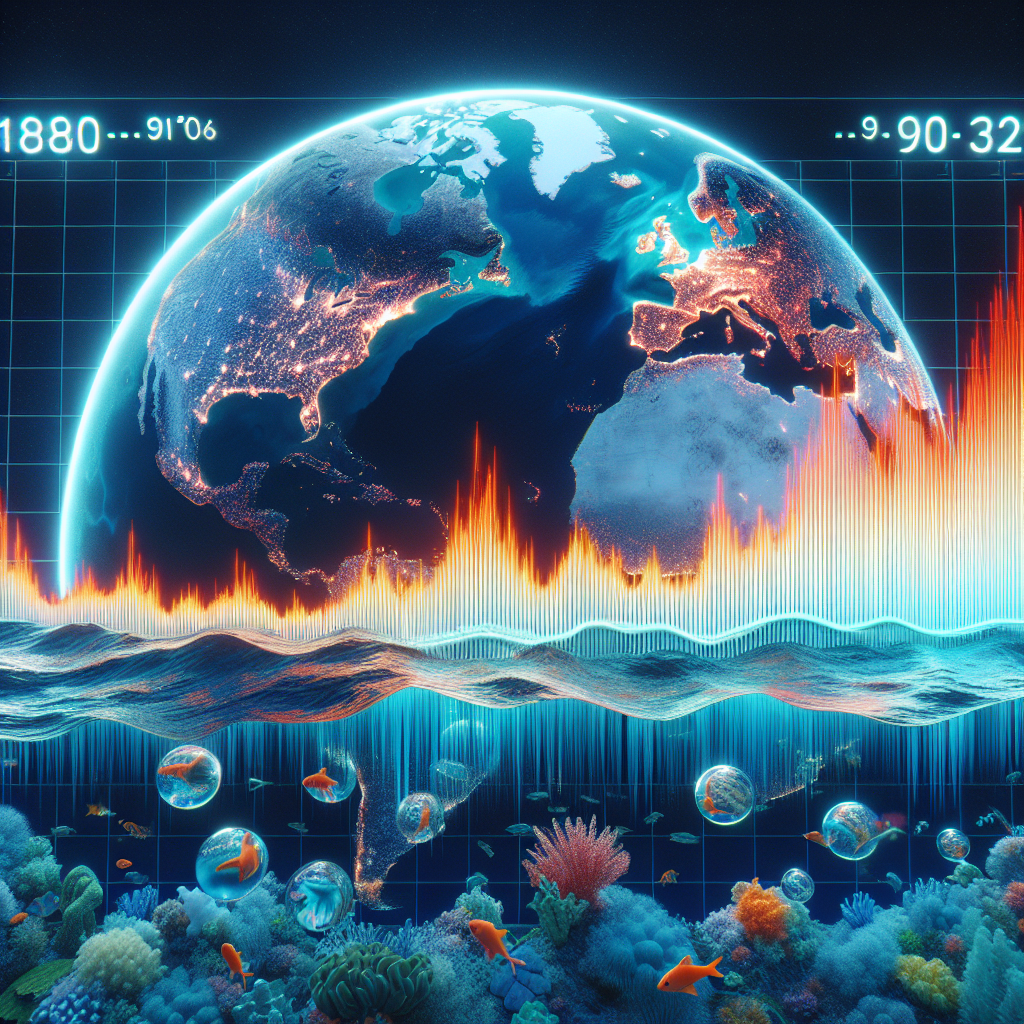
Study Reveals Ocean Surface Warming Quadruples Since 1980s
Study Reveals Ocean Surface Warming Quadruples Since 1980s
Introduction
A recent study has unveiled alarming data regarding the rapid increase in ocean surface temperatures. Since the 1980s, the rate of warming has quadrupled, raising concerns about the implications for marine ecosystems and global climate patterns.

Key Findings
- Accelerated Warming: The study highlights that ocean surface temperatures have increased at a rate four times faster than observed in the 1980s.
- Global Impact: This warming trend is not localized but affects oceans worldwide, with significant variations in different regions.
- Climate Change Link: The findings underscore the strong connection between human-induced climate change and rising ocean temperatures.
Implications for Marine Life
The rapid warming of ocean surfaces poses a severe threat to marine biodiversity. Key concerns include:

- Coral Bleaching: Increased temperatures lead to more frequent and severe coral bleaching events, endangering coral reefs.
- Species Migration: Many marine species are forced to migrate to cooler waters, disrupting existing ecosystems.
- Food Chain Disruption: Changes in species distribution can lead to imbalances in the marine food chain, affecting both marine and human life.
Global Climate Consequences
The study also highlights broader climate implications:

- Weather Patterns: Warmer oceans contribute to more extreme weather events, including hurricanes and typhoons.
- Sea Level Rise: Thermal expansion of seawater due to warming contributes to rising sea levels, threatening coastal communities.
- Carbon Cycle Impact: Warmer oceans absorb less CO2, exacerbating atmospheric carbon levels and global warming.
Conclusion
The study serves as a critical reminder of the urgent need to address climate change. The quadrupling of ocean surface warming since the 1980s highlights the profound impact of human activities on the planet’s climate system. Immediate and sustained efforts are essential to mitigate these effects and protect both marine ecosystems and human societies from the escalating consequences of global warming.