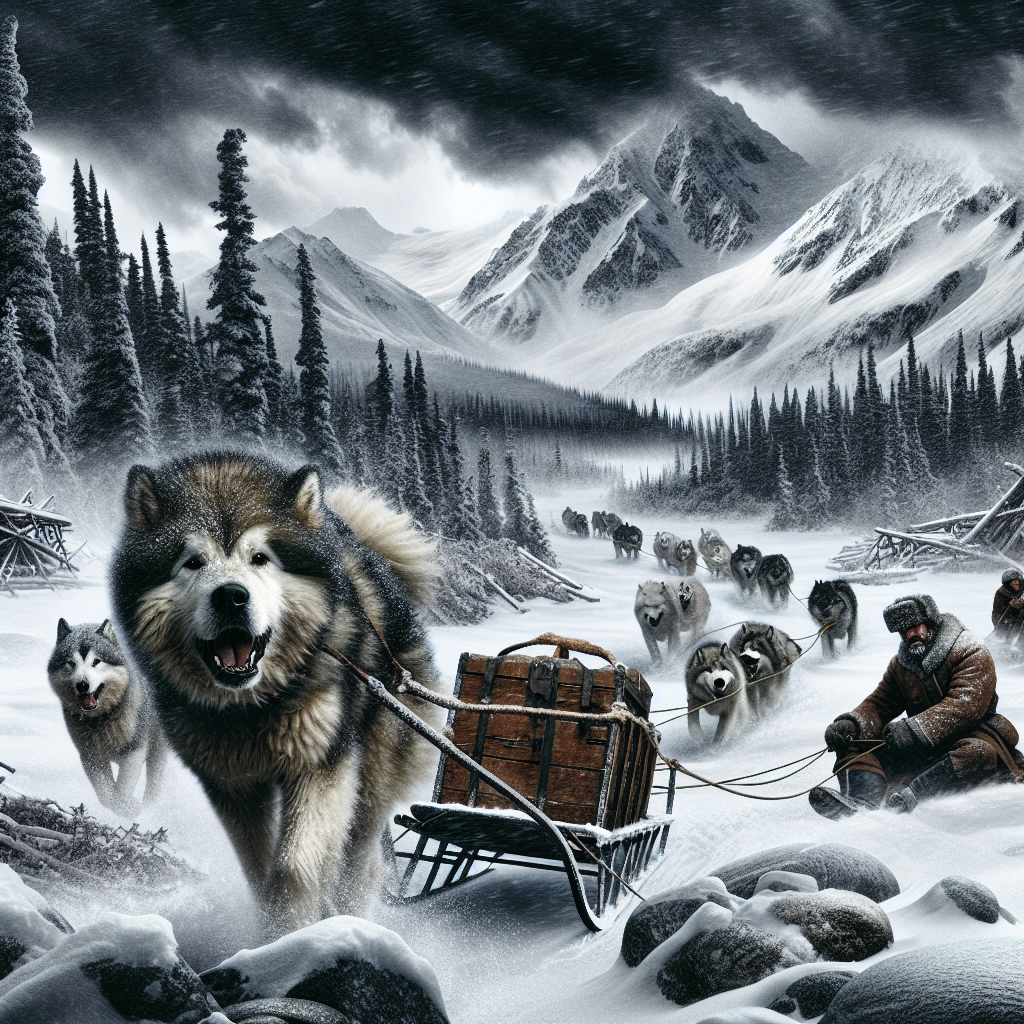
The Brave Alaskan Dogs Who Stopped the 1925 Diphtheria Outbreak
The Brave Alaskan Dogs Who Stopped the 1925 Diphtheria Outbreak
Introduction to the Crisis
In the winter of 1925, the remote town of Nome, Alaska, faced a dire health crisis. An outbreak of diphtheria threatened the lives of its residents, particularly the children. With no access to life-saving antitoxin and the town isolated by harsh winter conditions, a solution seemed impossible.

The Heroic Serum Run
In a race against time, a relay of dog sled teams embarked on a perilous journey to deliver the antitoxin. This mission, known as the “Great Race of Mercy,” covered over 600 miles of treacherous terrain in sub-zero temperatures.

Key Highlights of the Journey
- The relay involved more than 20 mushers and 150 sled dogs.
- The journey took approximately five and a half days to complete.
- Balto, a Siberian Husky, became the most famous dog of the relay, leading the final leg into Nome.
The Impact of the Dogs’ Bravery
The successful delivery of the antitoxin prevented a widespread epidemic, saving countless lives. The courage and endurance of the sled dogs and their mushers became legendary, highlighting the critical role of teamwork and determination in overcoming adversity.

Legacy and Recognition
The 1925 serum run left a lasting legacy, inspiring annual sled dog races such as the Iditarod. Statues and memorials, including one of Balto in New York City’s Central Park, commemorate the bravery of these remarkable animals and their handlers.
Conclusion
The story of the brave Alaskan dogs who stopped the 1925 diphtheria outbreak is a testament to the power of resilience and cooperation. Their heroic efforts not only saved lives but also left an indelible mark on history, reminding us of the extraordinary bond between humans and animals in times of crisis.