Is ‘Cancel Culture’ a Threat or a Protector of Free Speech?
Is ‘Cancel Culture’ a Threat or a Protector of Free Speech?
Understanding Cancel Culture
Cancel culture refers to the practice of withdrawing support for public figures or companies after they have done or said something considered objectionable or offensive. This phenomenon has sparked a heated debate about its impact on free speech.

The Argument for Cancel Culture as a Threat
- Chilling Effect: Critics argue that cancel culture creates a chilling effect, discouraging individuals from expressing their opinions for fear of backlash.
- Suppression of Dialogue: It is seen as a tool that suppresses open dialogue and debate, essential components of a democratic society.
- Mob Mentality: The rapid spread of cancel culture on social media can lead to mob mentality, where individuals are judged and punished without due process.
The Argument for Cancel Culture as a Protector
- Accountability: Proponents argue that cancel culture holds individuals and organizations accountable for harmful or offensive actions.
- Amplifying Marginalized Voices: It provides a platform for marginalized groups to voice their concerns and demand change.
- Social Change: Cancel culture can drive social change by challenging outdated norms and promoting inclusivity.
Striking a Balance
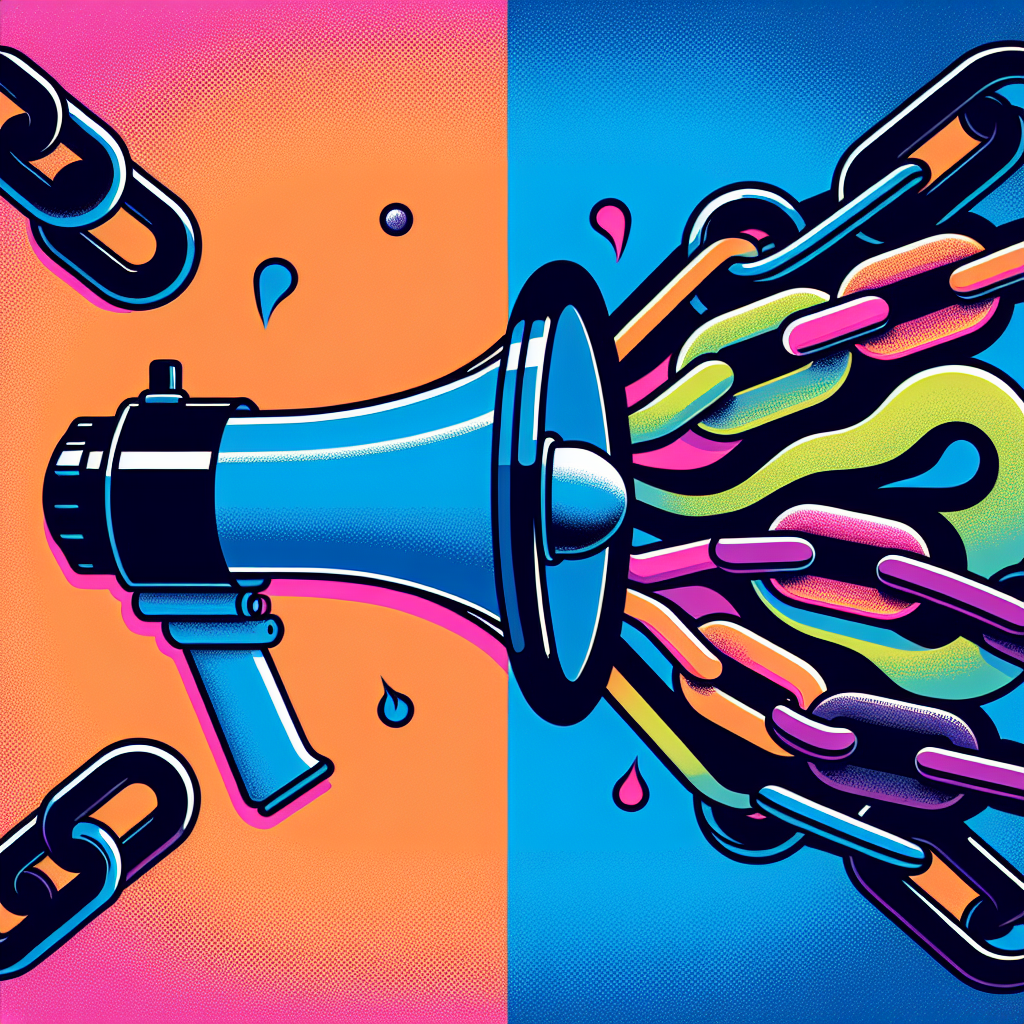
The debate over cancel culture highlights the need to balance accountability with the protection of free speech. While it can serve as a tool for social justice, it also poses risks to open discourse if misused.
Ads

Conclusion
Cancel culture remains a contentious issue, with valid arguments on both sides. It can either threaten or protect free speech, depending on how it is wielded. The challenge lies in ensuring that it fosters accountability without stifling diverse perspectives and open dialogue.
Ads

Ads

Ads

Ads

Ads

Ads

Ads

Ads

Ads

Ads

Ads

Ads