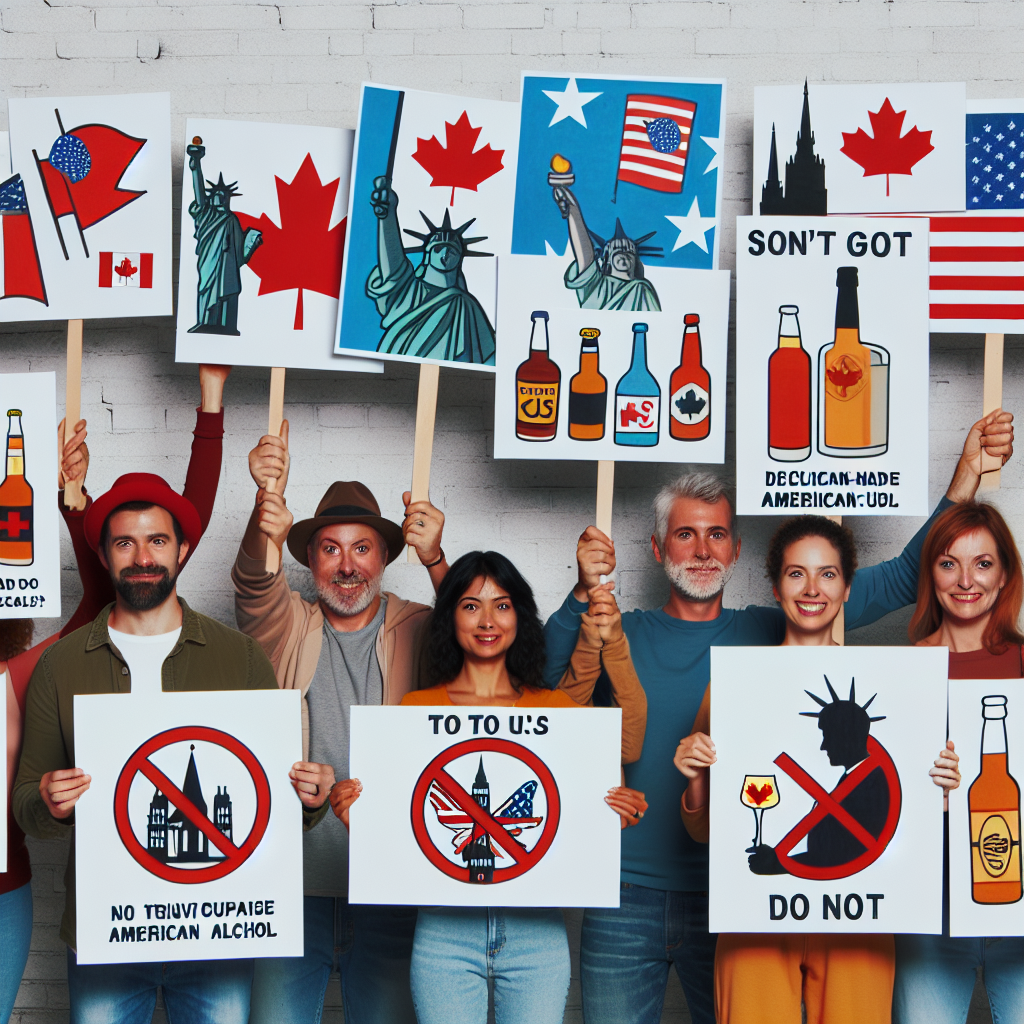
Canadians Boycott U.S. Travel and Alcohol in Response to Trump’s Tariffs
Canadians Boycott U.S. Travel and Alcohol in Response to Trump’s Tariffs
Background
In a bold move of economic protest, Canadians have initiated a boycott against U.S. travel and alcohol. This action comes as a direct response to the tariffs imposed by the Trump administration on Canadian steel and aluminum. The tariffs have sparked widespread discontent, leading to a grassroots movement aimed at hitting the U.S. economy where it hurts.

Key Actions of the Boycott
- Travel Restrictions: Canadians are choosing to vacation domestically or in other countries, avoiding U.S. destinations.
- Alcohol Avoidance: There is a significant push to purchase Canadian-made alcohol, steering clear of American brands.
Impact on U.S.-Canada Relations
The boycott highlights growing tensions between the two neighboring countries. It underscores the economic interdependence and the potential repercussions of trade disputes. Canadian consumers are using their purchasing power to send a clear message of dissatisfaction with the current trade policies.

Public Sentiment
Many Canadians feel a sense of national pride in supporting local businesses and products. The boycott has fostered a spirit of unity and resilience, as citizens rally together to protect their economic interests.

Potential Economic Consequences
- Tourism Decline: U.S. tourism sectors, particularly those near the Canadian border, may experience a downturn.
- Alcohol Sales Impact: American alcohol producers could see a decrease in sales, affecting their bottom line.
Conclusion
The Canadian boycott of U.S. travel and alcohol serves as a powerful statement against the tariffs imposed by the Trump administration. It reflects the broader implications of trade policies on international relations and consumer behavior. As Canadians continue to support their local economy, the boycott may lead to significant economic shifts and influence future trade negotiations.