
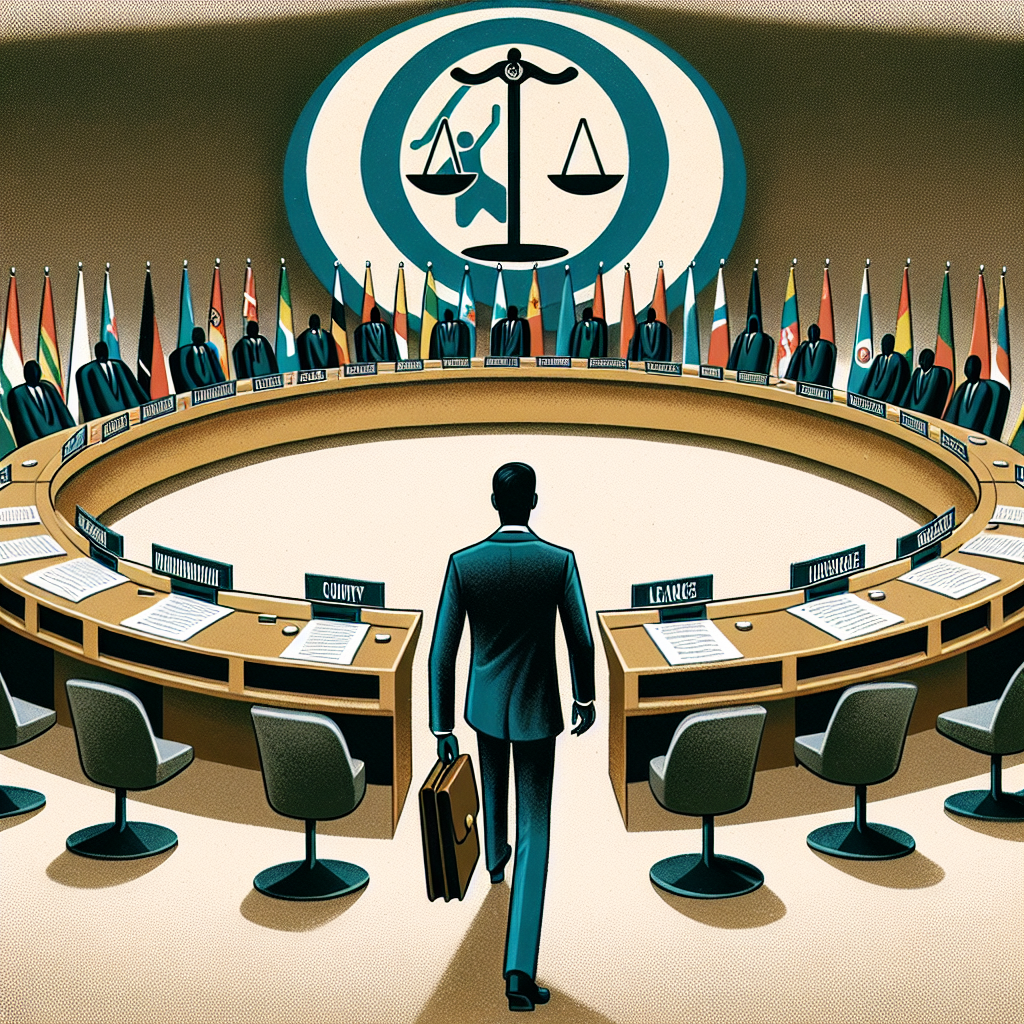
Israel Withdraws from UN Human Rights Council Over ‘Discrimination’ Claims
Israel Withdraws from UN Human Rights Council Over ‘Discrimination’ Claims
Background
Israel has announced its decision to withdraw from the United Nations Human Rights Council (UNHRC), citing claims of discrimination and bias against the country. This move marks a significant shift in Israel’s engagement with international human rights bodies.

Reasons for Withdrawal
- Alleged Bias: Israel accuses the UNHRC of having a disproportionate focus on its policies and actions, particularly concerning the Israeli-Palestinian conflict.
- Perceived Discrimination: The Israeli government argues that the council’s agenda is unfairly skewed against Israel, undermining its legitimacy and effectiveness.
- Historical Context: Israel has long criticized the UNHRC for what it perceives as a pattern of anti-Israel resolutions and investigations.
International Reactions
The decision has elicited varied responses from the international community:

- Support from Allies: Some of Israel’s allies have expressed understanding and support for its decision, acknowledging concerns about bias.
- Criticism from Opponents: Critics argue that Israel’s withdrawal undermines efforts to address human rights issues and sets a concerning precedent.
- Calls for Reform: The move has sparked renewed calls for reform within the UNHRC to address perceived biases and improve its credibility.
Implications
Israel’s withdrawal from the UNHRC could have several implications:

- Impact on Human Rights Discourse: The decision may affect the global discourse on human rights, particularly in relation to the Israeli-Palestinian conflict.
- Diplomatic Relations: Israel’s relations with other UN member states could be influenced by this decision, potentially affecting future diplomatic engagements.
- UNHRC’s Credibility: The withdrawal raises questions about the council’s ability to function effectively and impartially.
Conclusion
Israel’s withdrawal from the UN Human Rights Council underscores ongoing tensions between the country and international human rights bodies. While the decision highlights concerns about perceived bias, it also raises broader questions about the effectiveness and impartiality of global human rights mechanisms. The move has sparked a mix of support, criticism, and calls for reform, reflecting the complex dynamics at play in international human rights discourse.












