“Unlawful Measures: Trump Targets International Criminal Court with Sanctions”
Unlawful Measures: Trump Targets International Criminal Court with Sanctions
Introduction
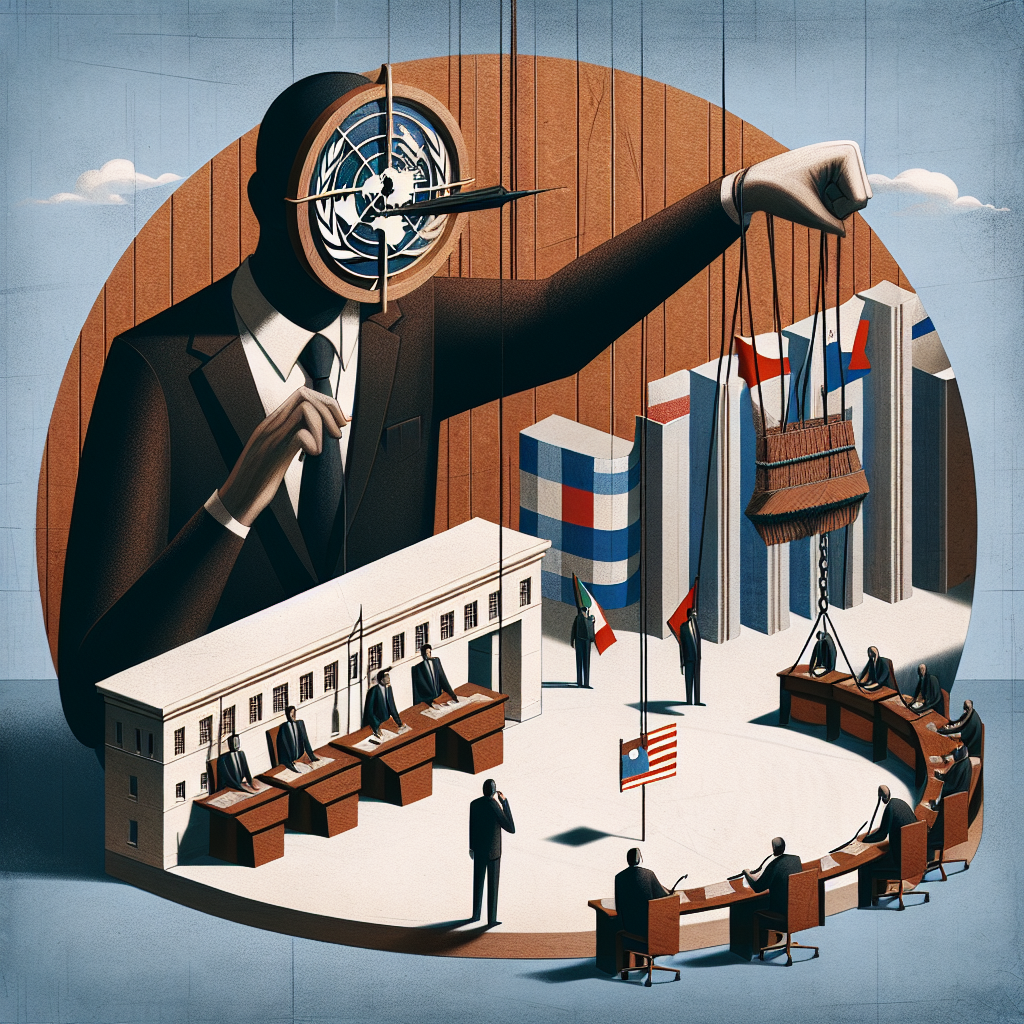
The Trump administration has taken unprecedented steps by imposing sanctions on the International Criminal Court (ICC), marking a significant escalation in the U.S.’s long-standing opposition to the court. This move has sparked widespread debate and criticism from various international entities and human rights organizations.

Background
The ICC, established to prosecute individuals for crimes such as genocide, war crimes, and crimes against humanity, has been a contentious institution for the U.S., which has never ratified the Rome Statute that created the court.

Key Actions Taken
- The Trump administration issued an executive order authorizing economic sanctions and travel restrictions against ICC officials directly involved in investigating U.S. personnel.
- These measures are primarily in response to the ICC’s investigation into alleged war crimes committed by U.S. forces in Afghanistan.
International Reactions
The sanctions have drawn criticism from various quarters, including:

- European Union: Expressed deep concern and reiterated support for the ICC as an independent and impartial judicial institution.
- Human Rights Organizations: Condemned the sanctions as an attack on international justice and accountability.
- Legal Experts: Warned that these actions could undermine global efforts to hold perpetrators of serious crimes accountable.
Implications
The sanctions against the ICC could have far-reaching implications, including:
- Straining diplomatic relations between the U.S. and its allies who support the ICC.
- Potentially deterring future investigations into war crimes involving U.S. personnel.
- Setting a precedent for other countries to challenge international judicial bodies.
Conclusion
The Trump administration’s decision to impose sanctions on the ICC represents a significant shift in U.S. foreign policy, raising questions about the future of international justice and accountability. While intended to protect U.S. interests, these measures have sparked a global debate on the balance between national sovereignty and international law.